Rock The Ages
A Neuroscientific Approach to Nature, Health & Vitality
Adversity is a seed that grows the strongest of trees…

I’m afraid our Thru Hike adventure has taken an uncharted path. Monday evening August 21st, after a beautiful day of exploring Grandfather Falls and surrounding areas, I became feverish and ill.
We drove home and by the time I got home, I could barely get out of the truck and into my bed. After a very rough night, I went to the ER on Tuesday August 22nd with 103 fever/chills, bodyaches, severe headache. I was admitted and underwent MRIs, spinal tap, CTs, ultrasound, echocardiogram…(pretty much any test you can think of). I was discharged Saturday the 26th.
I received 3 different IV antibiotics around the clock, for what still seems like a bit of a mystery. My liver function declined, my red blood cell counts bottomed out and they removed my gallbladder. Infectious disease is still not convinced that the gallbladder was “the” issue, but rather part of the cascade. However, so far the tick panels come back negative. I went back in on Monday the 28th with pulmonary edema and heart failure due to fluid overload.
I am happy to report I’m home and improving significantly. The fluid is almost all off, I am sleeping better and regaining energy. I’m so glad to be home. I have my husband, children and therapeutic kitty at my side and an amazing support network.
That said, this setback won’t allow me to get back on the trail to complete the Thru Hike within the original deadline. My new goal will be to complete it with a 12 month timeframe which is still considered a thru hike. All in good time though~for now I need to heal and get stronger.
I’ve spent a lot of time thinking about curveballs like this. Just when we think we have a plan or a goal, life can get scary and change in a day. That’s what happens with Parkinson disease, isn’t it? You notice changes in your body but just don’t expect the diagnosis or understand how it may impact life. The key is that we maintain hope, revise our plan and continue to take steps forward. We are all struck with adversity~ how we handle it speaks to our strength and integrity. It increases resilience for the challenges yet to come.
Thank you SO much for cheering us on! We backpacked 357.7 miles, which may not have been our end goal but is still a pretty cool achievement! I will forever cherish the daily bonding time with my husband.
Please, please, continue your Move More Challenge!! I have set new goals and Tim is still hiking locally daily on his own. Do not give up~ if you do our efforts will be futile. I would love to see your comments on your Move More challenge progress! You are all an inspiration!
~Dacy
“The journey of a thousand miles begins with a single step.”
~ Lao Tzu
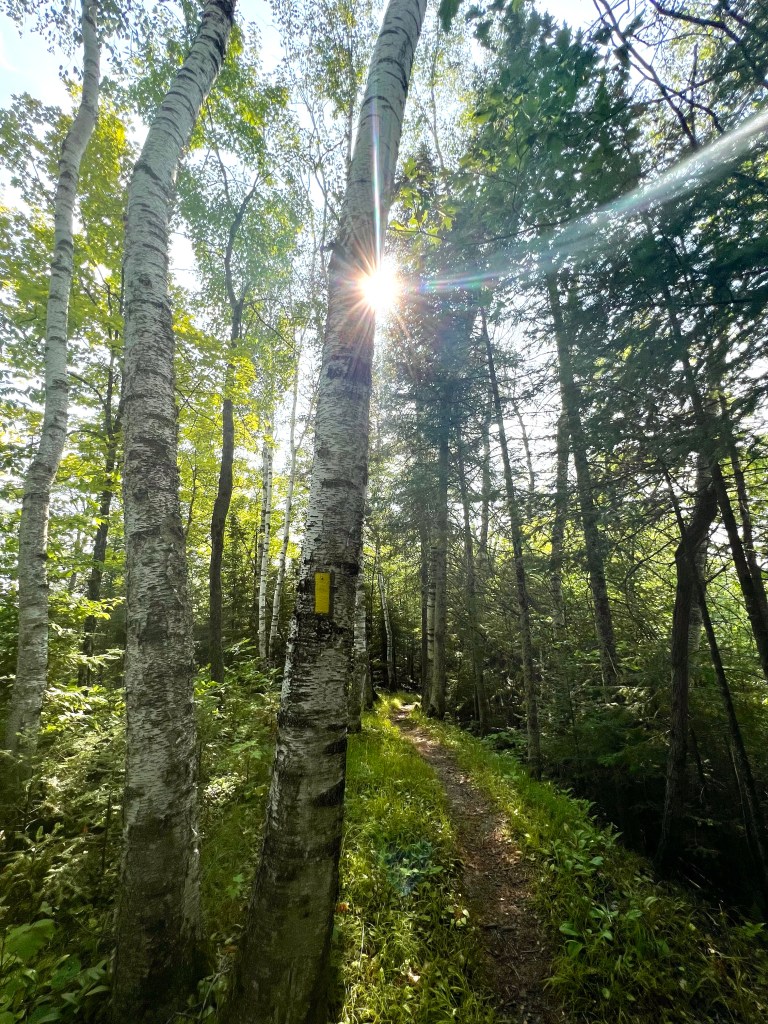
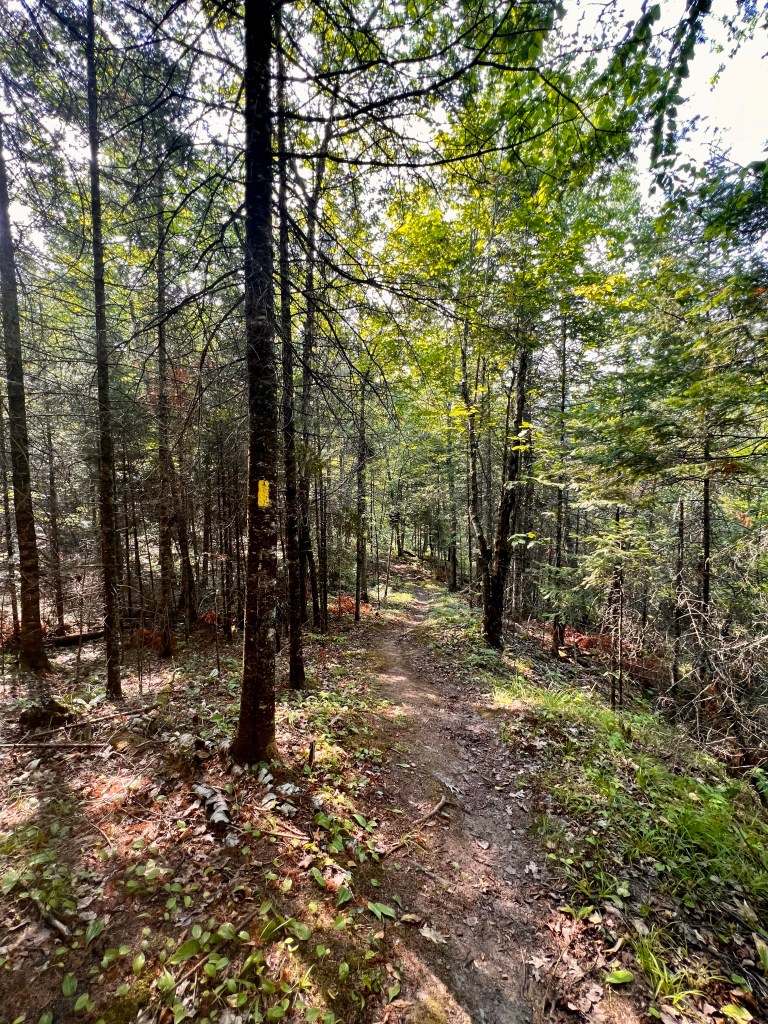
By Friday evening we have finished up to the Chippewa River segment, just before Cornell WI. We have hiked 189 miles. The road segments have been long, warm and challenging on my joints with my rheumatoid. However, the wooded trail segments, despite their many ups and downs, have been gorgeous and enjoyable!

Friday evening we hopped off the trail for two days to celebrate one of the most important men in our lives, my Father-In-Law, Dave Reimer~ who turned 80. We were looking forward to seeing our family and wouldn’t miss this event for anything. Family first always. We spent Sunday with our kids, grandkids and my Mother before heading back to the trail to start again today (Monday). We have planned “zero days” (days with no miles) within our hike to make sure we can attend special family events. Only 2 more months to go! 😳


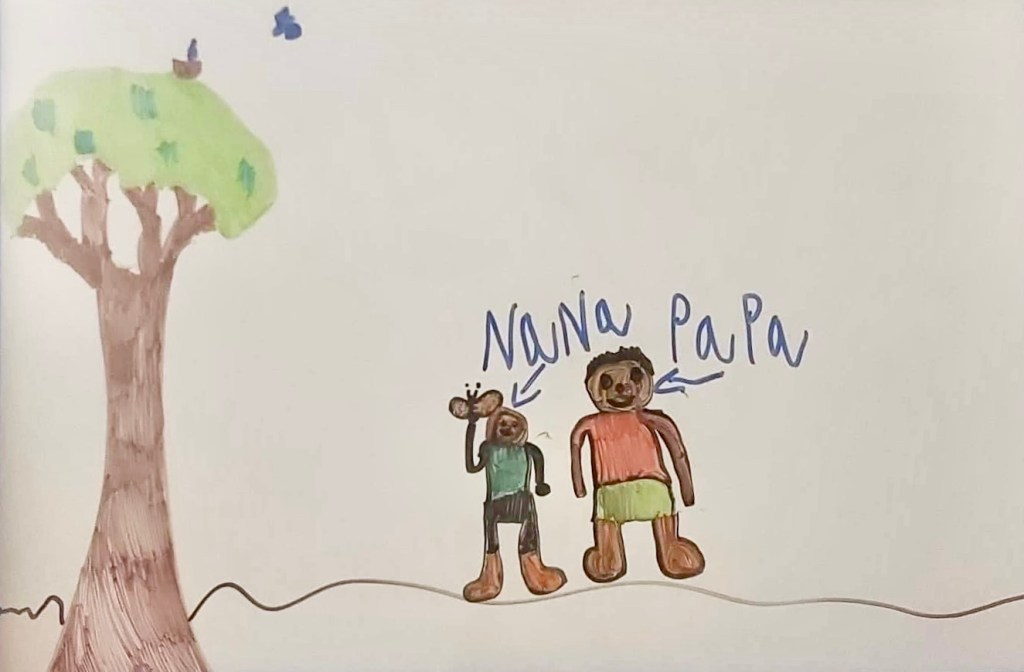
My granddaughter Bella has been drawing pictures of us hiking and sending them to me daily. They make me smile knowing she is thinking about what our adventure must be like. She once said to me, “Nana, you and Papa are the most adventurous people I know”. Our grandchildren are watching and showing them how to stay active and healthy as we age is an important lesson to pass on.
My granddaughter Evelyn loves frogs, toads and snakes. Every time a frog or tiny toad crosses our path I shout out, “watch out for Evy!” I try to send her as many photos of critters as I can.
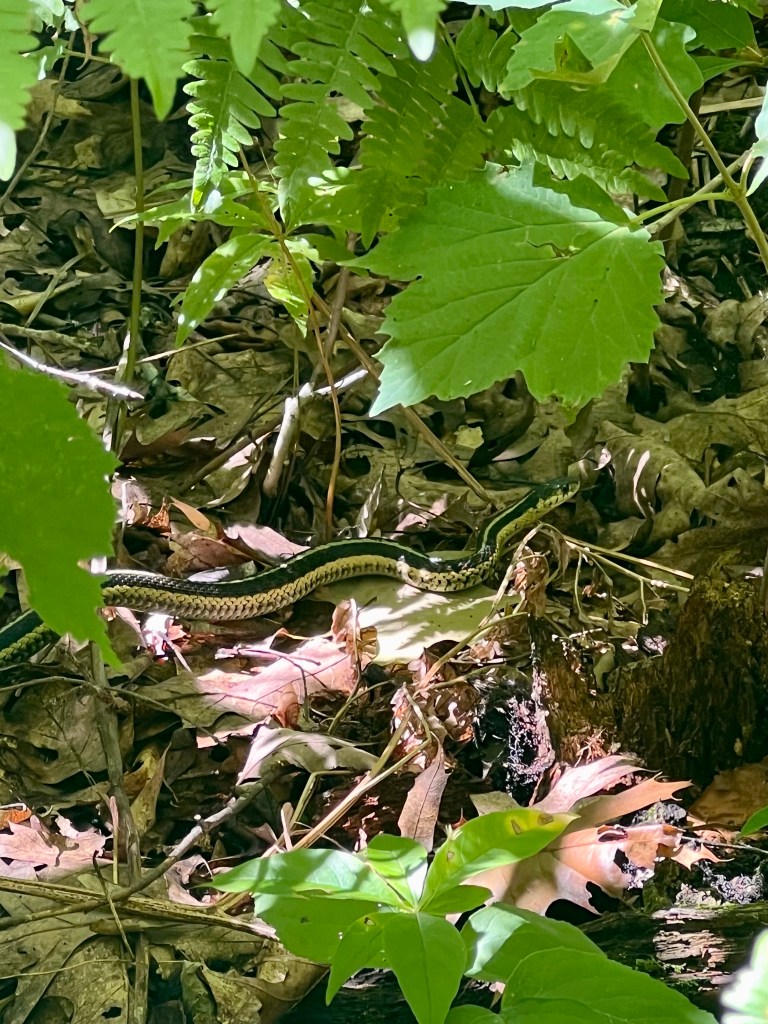
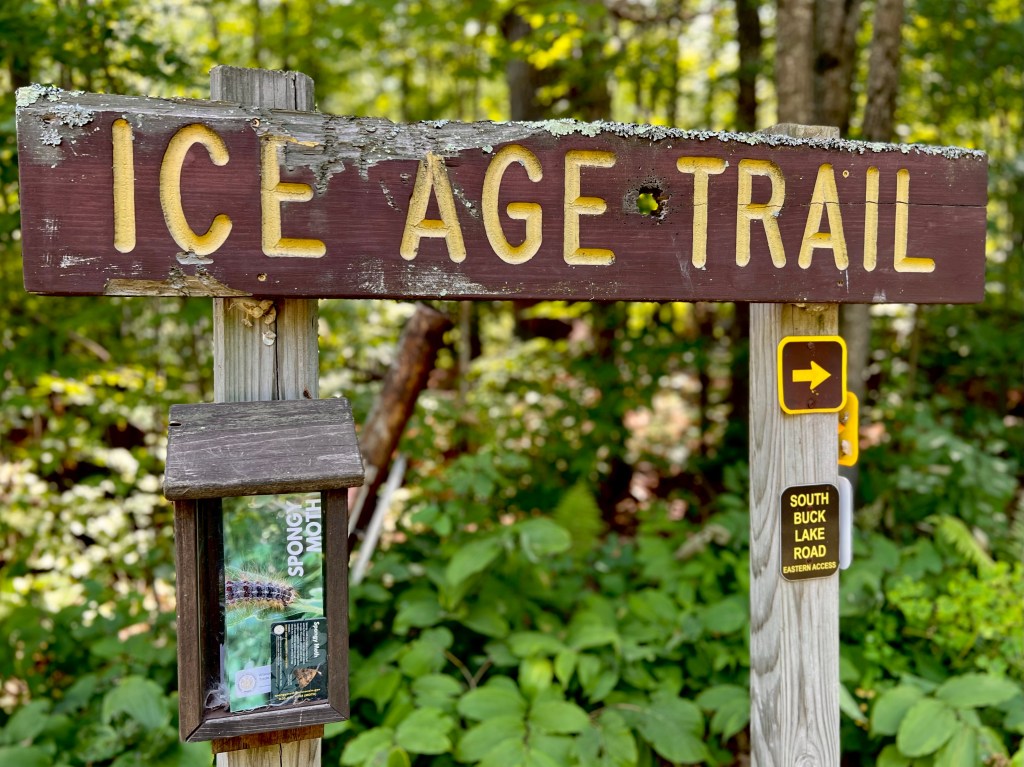
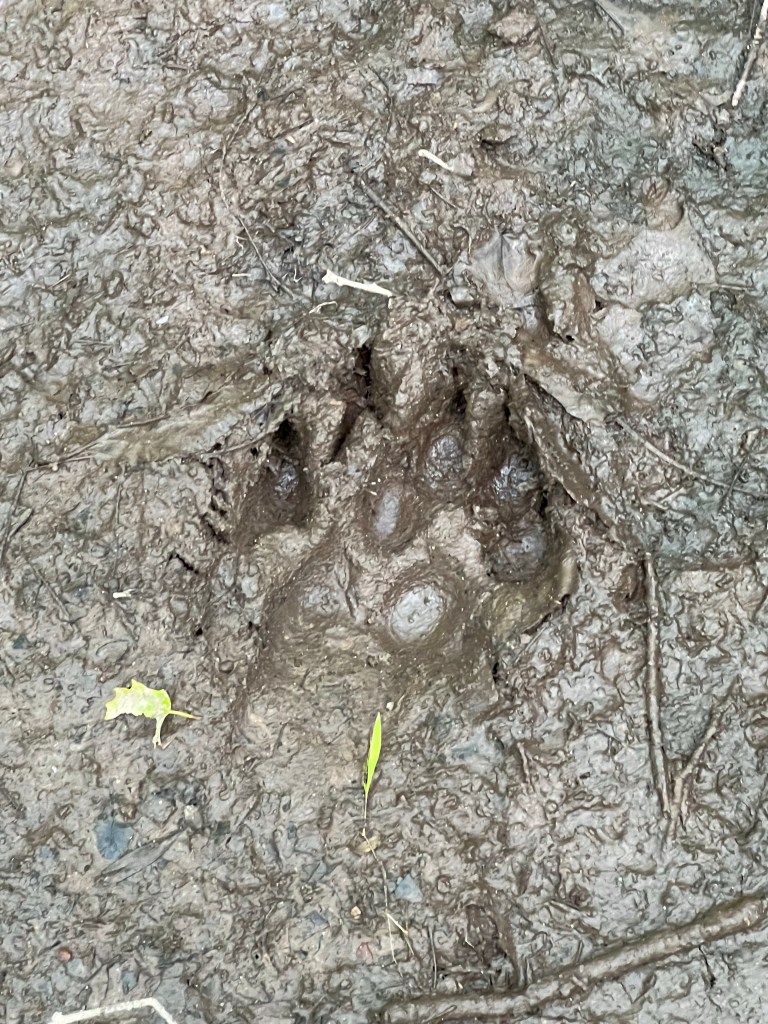
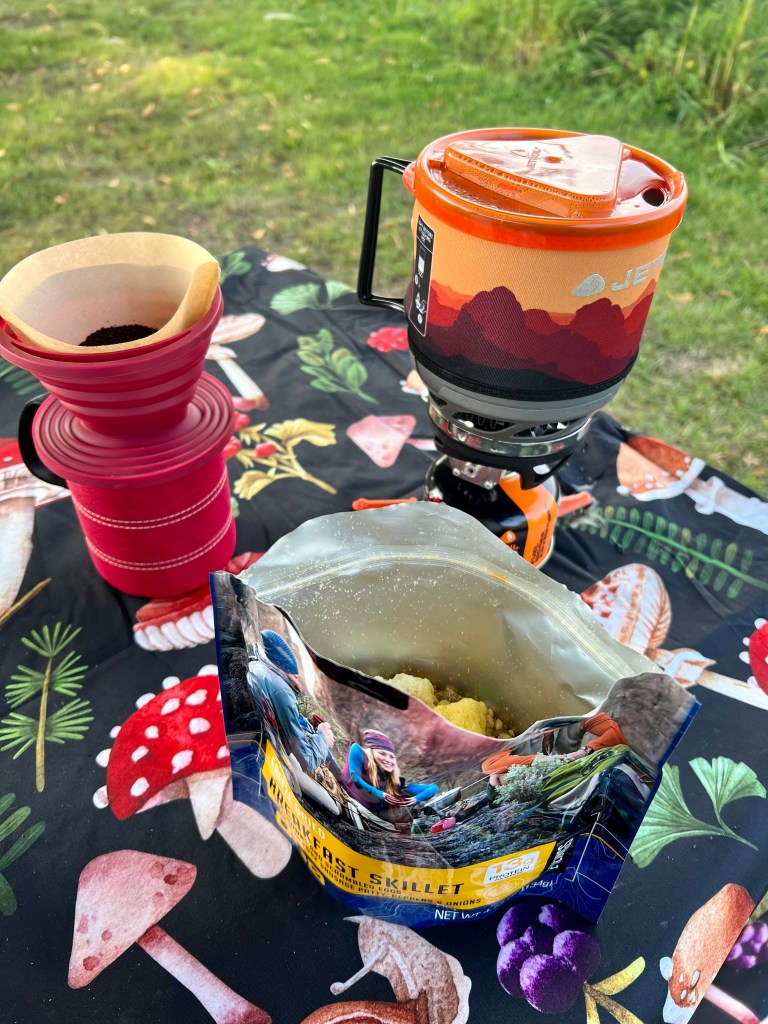
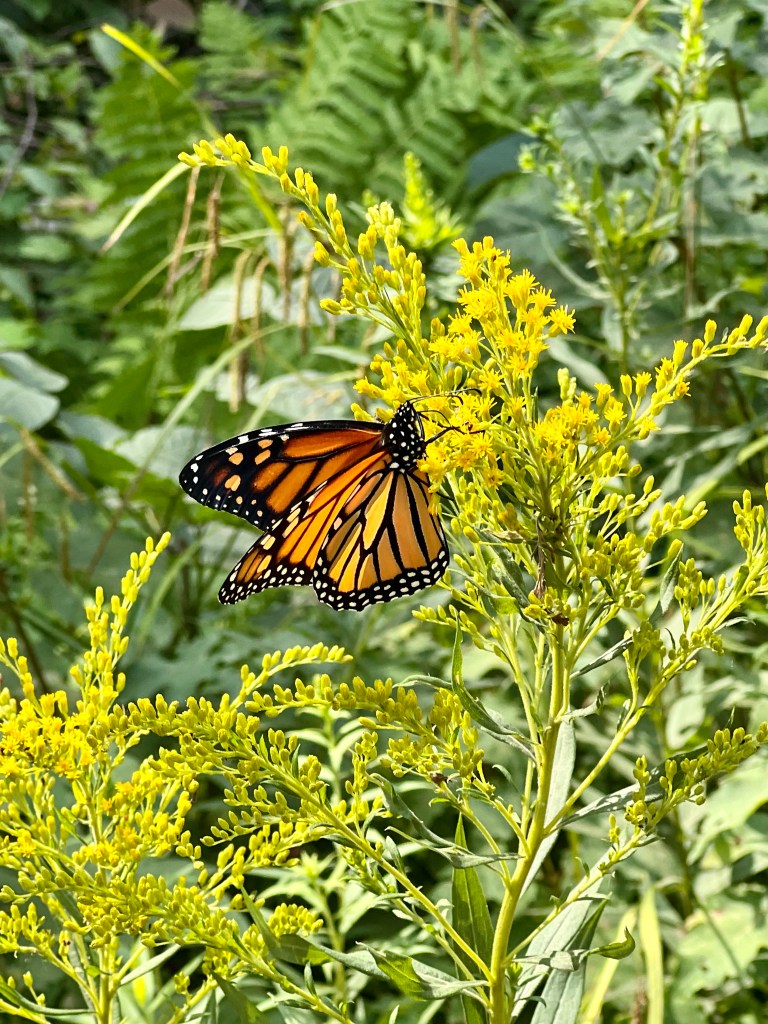
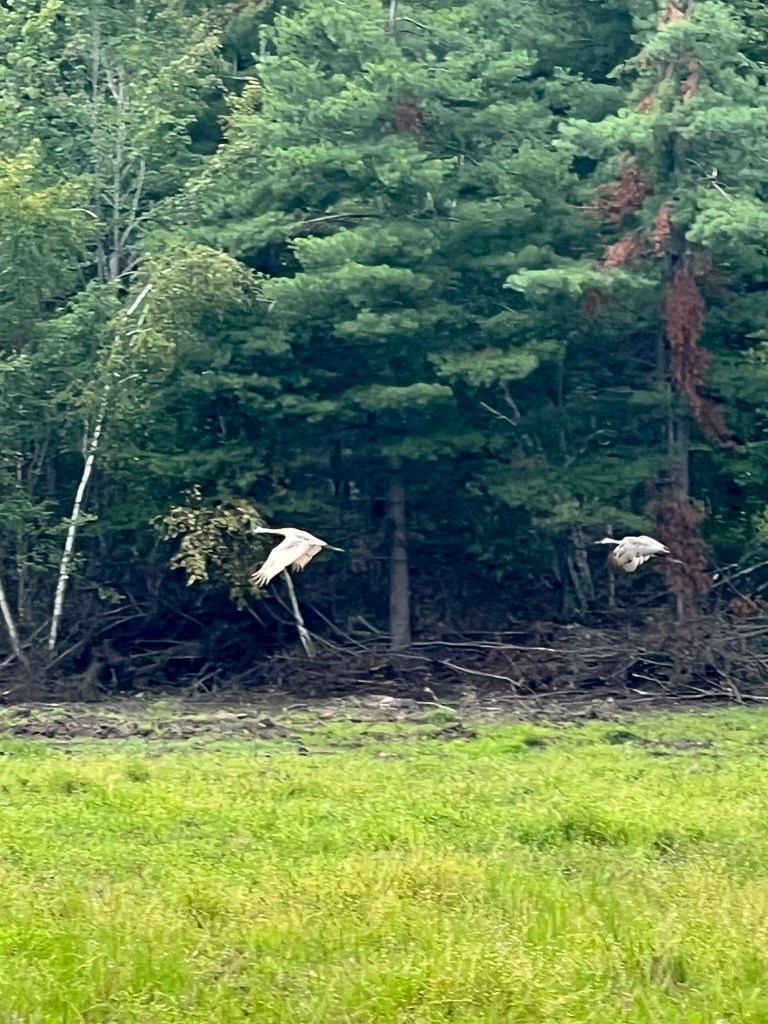
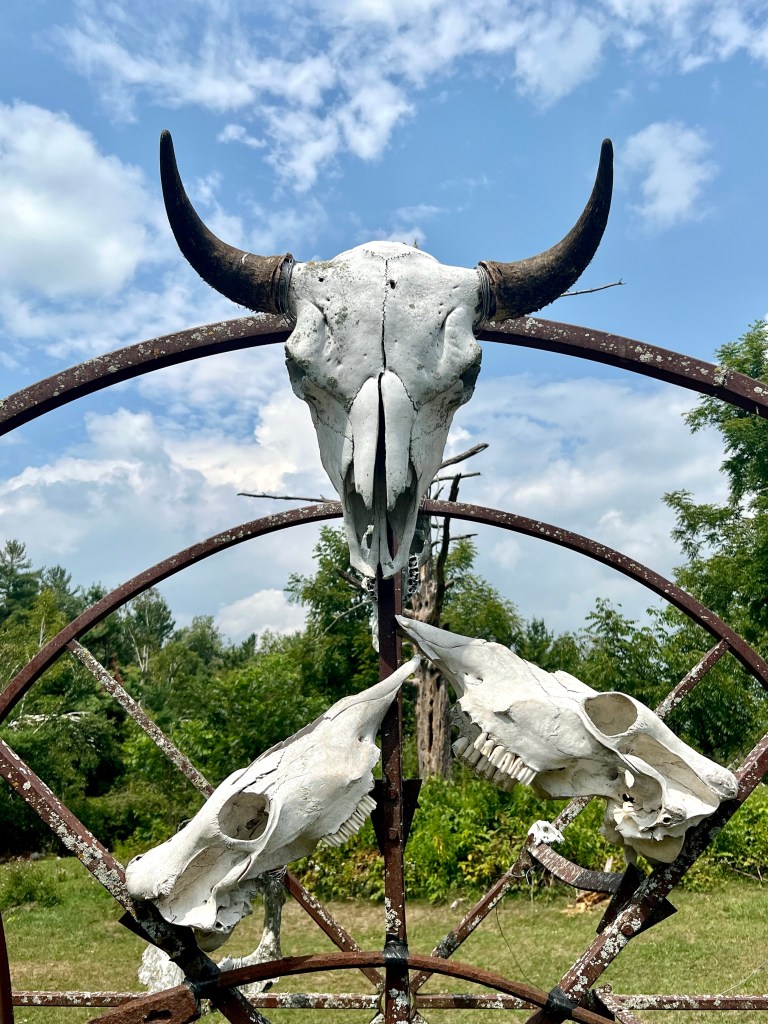
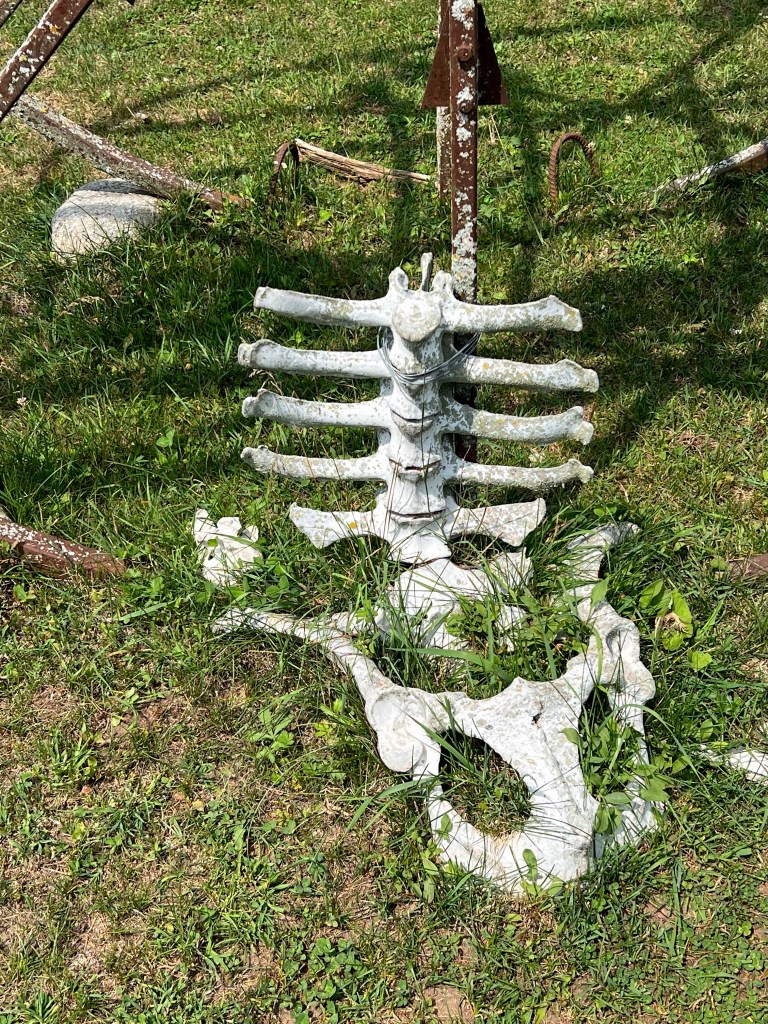
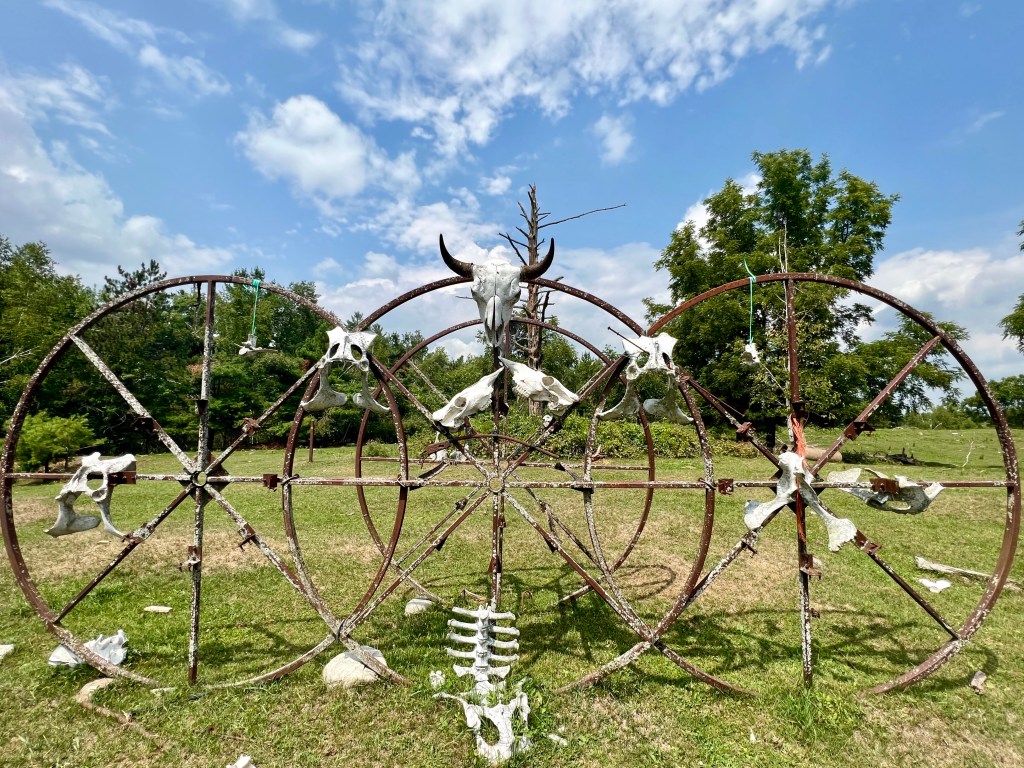
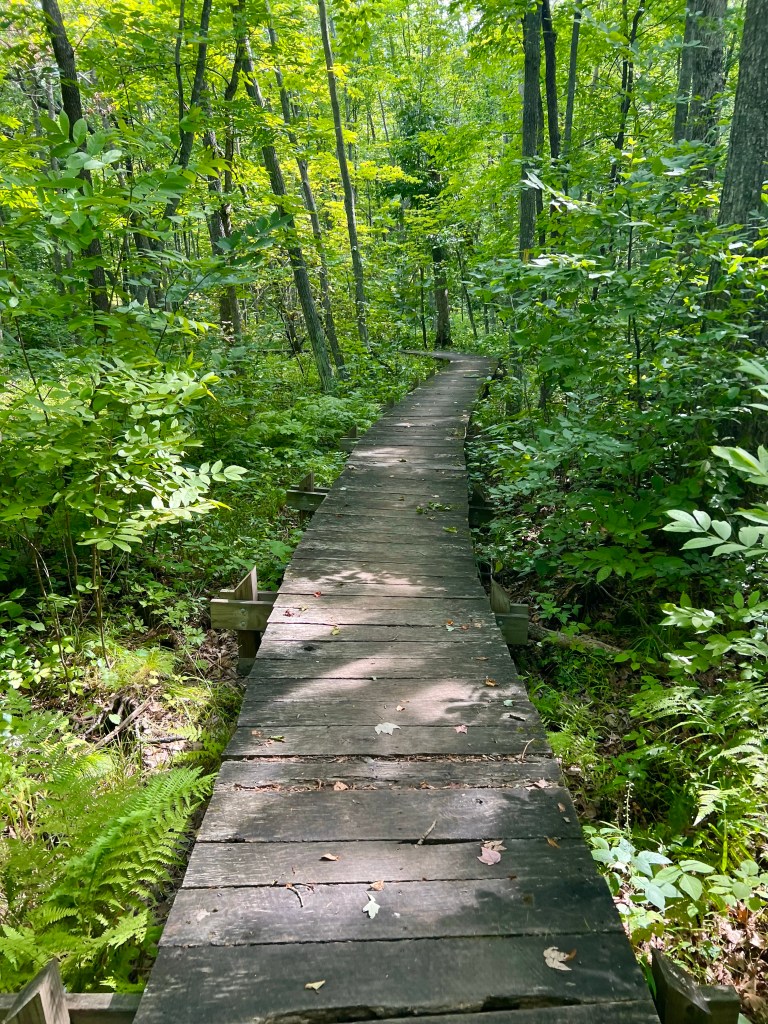
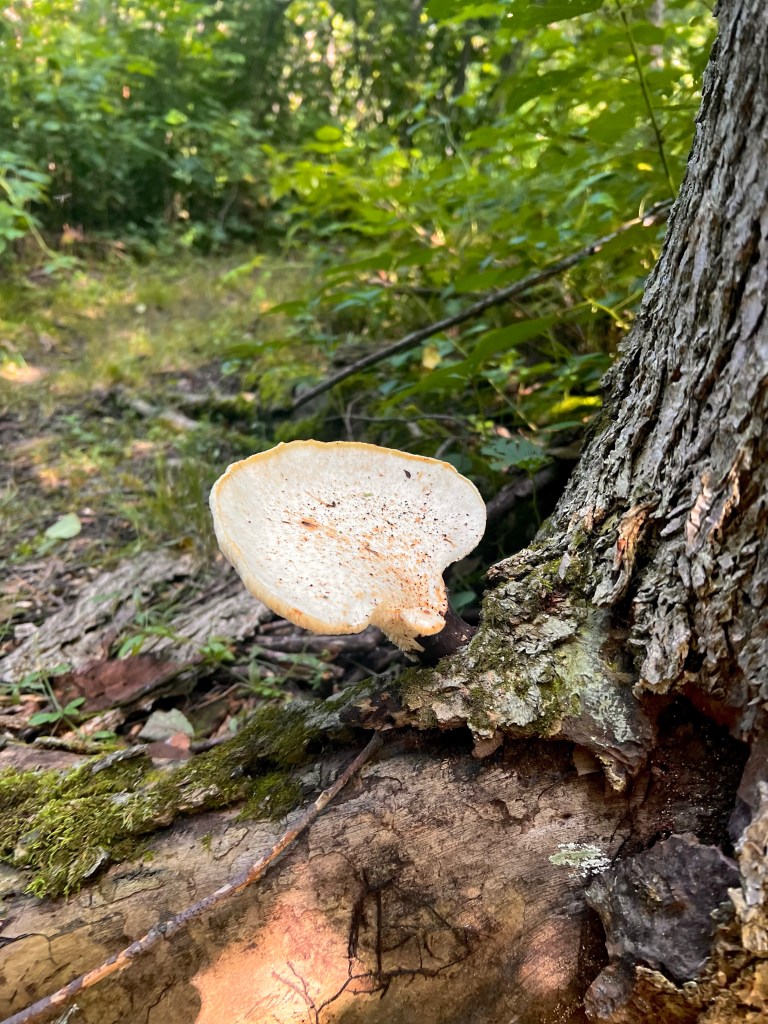
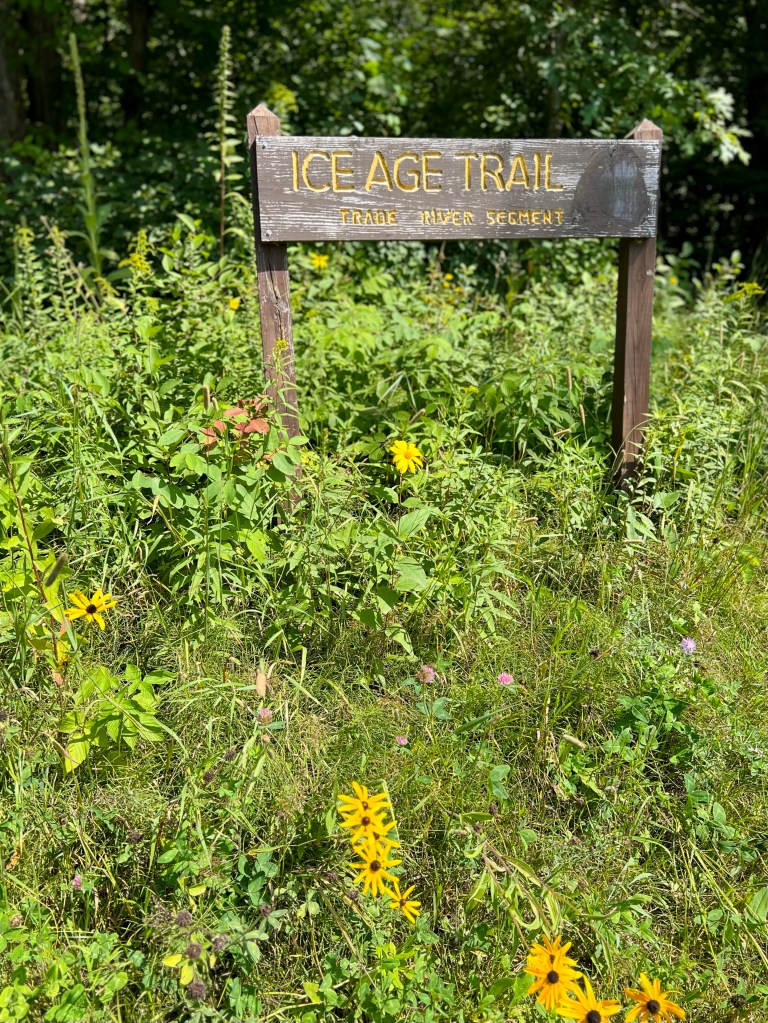
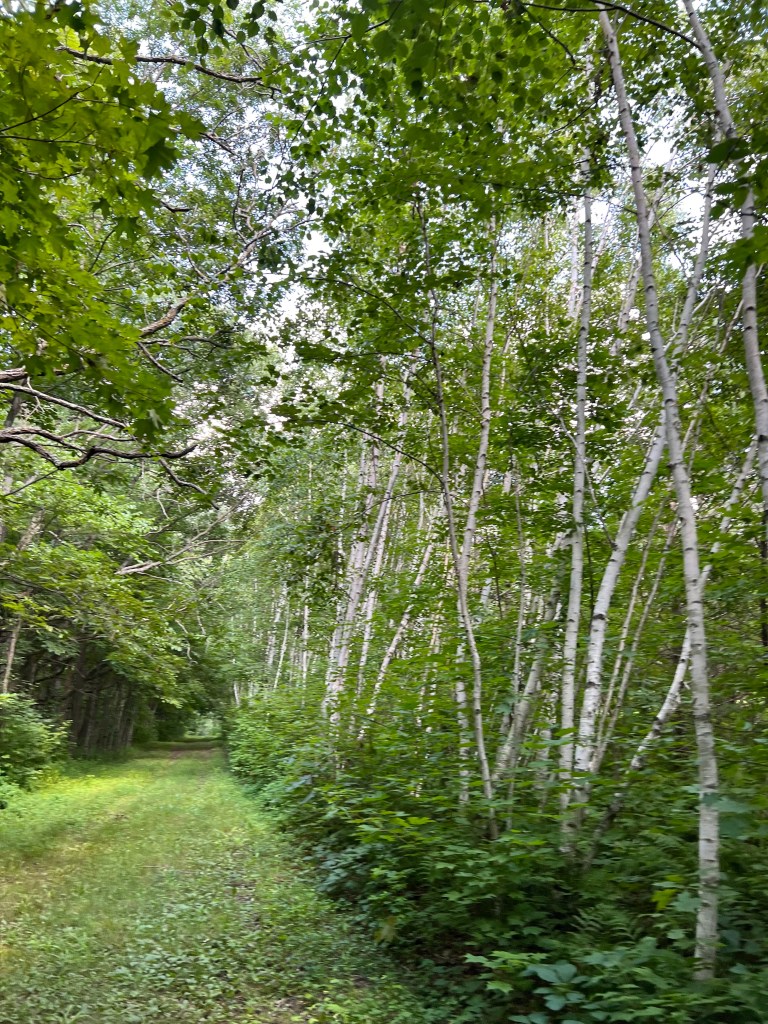
Our bodies have adjusted to the constant rigor of the trail and we are doing very well. Tim has lost 10 lbs in 12 days which we know is not ideal. We continue to re-evaluate our daily and weekly goals to make sure they are healthy and achievable. We are not trying to set any sort of speed record. I feel like I’m able to spend less time focusing on my body aches and more time taking in the details of the trail. Here are some of my recent photos:

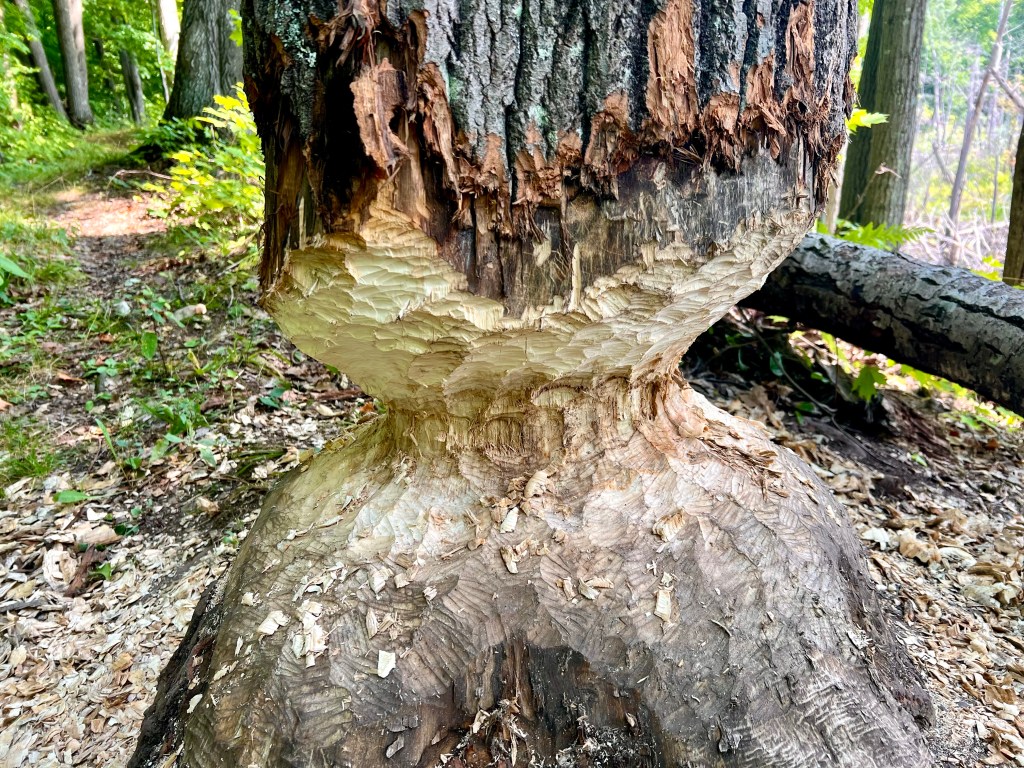

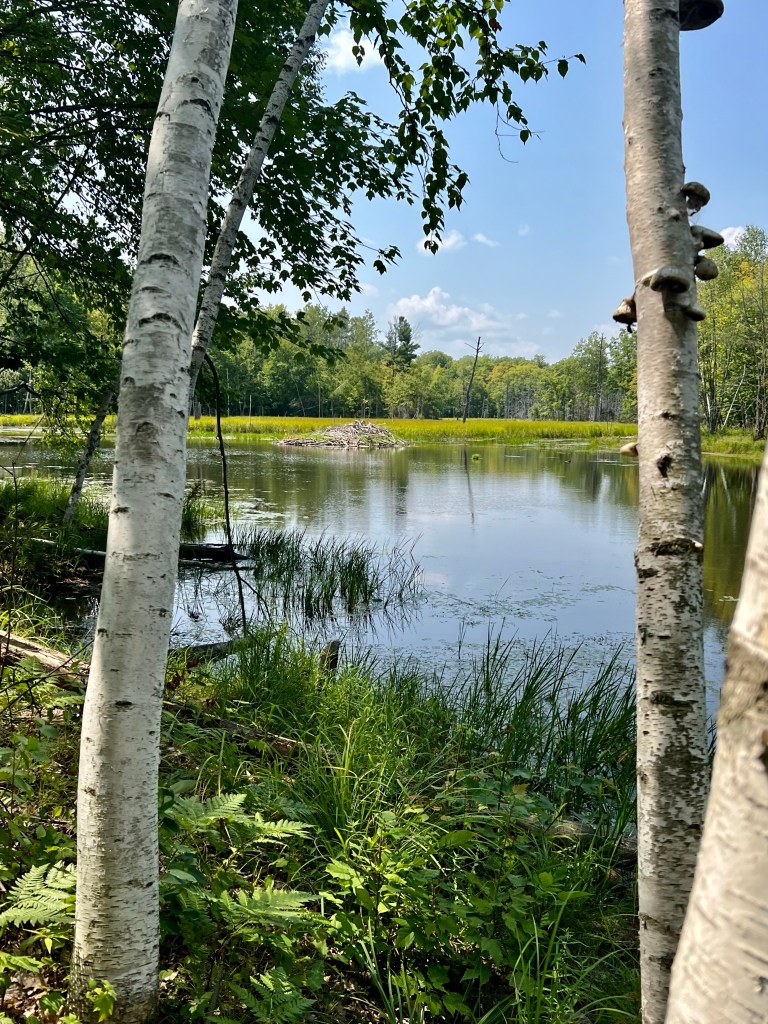
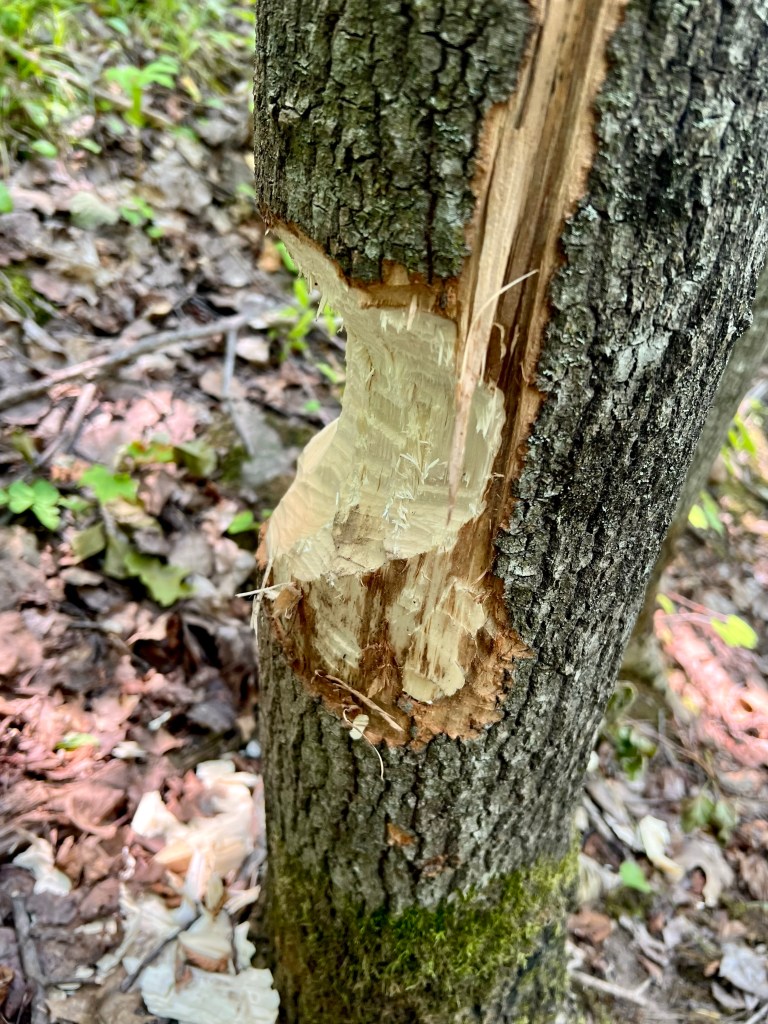
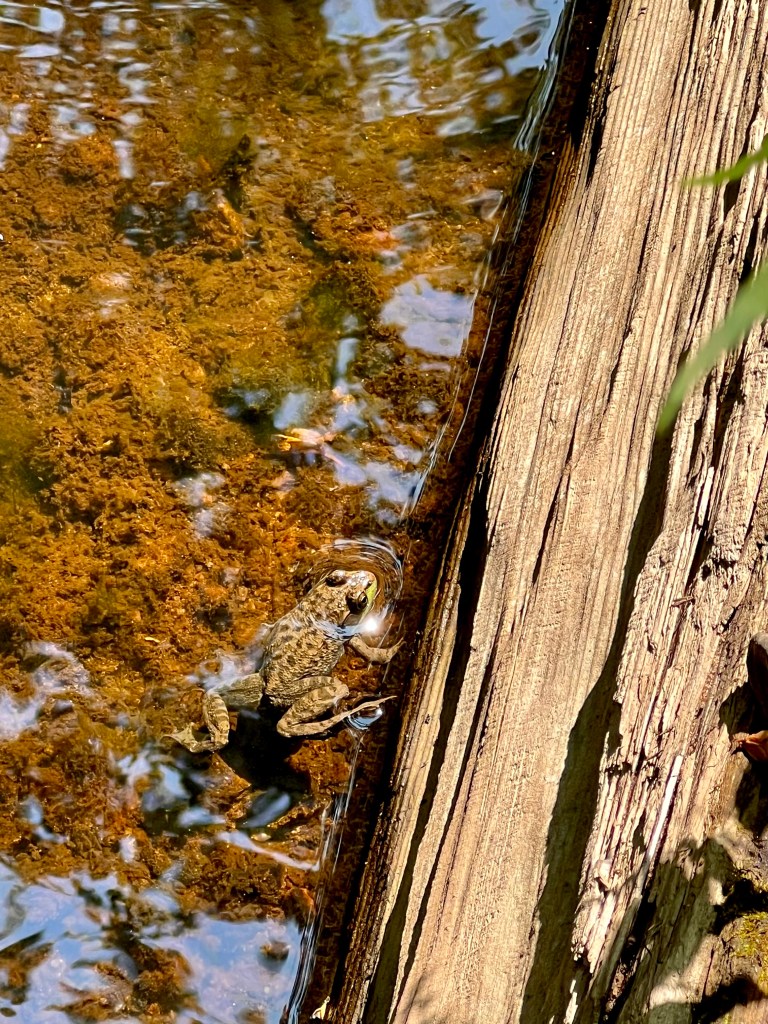



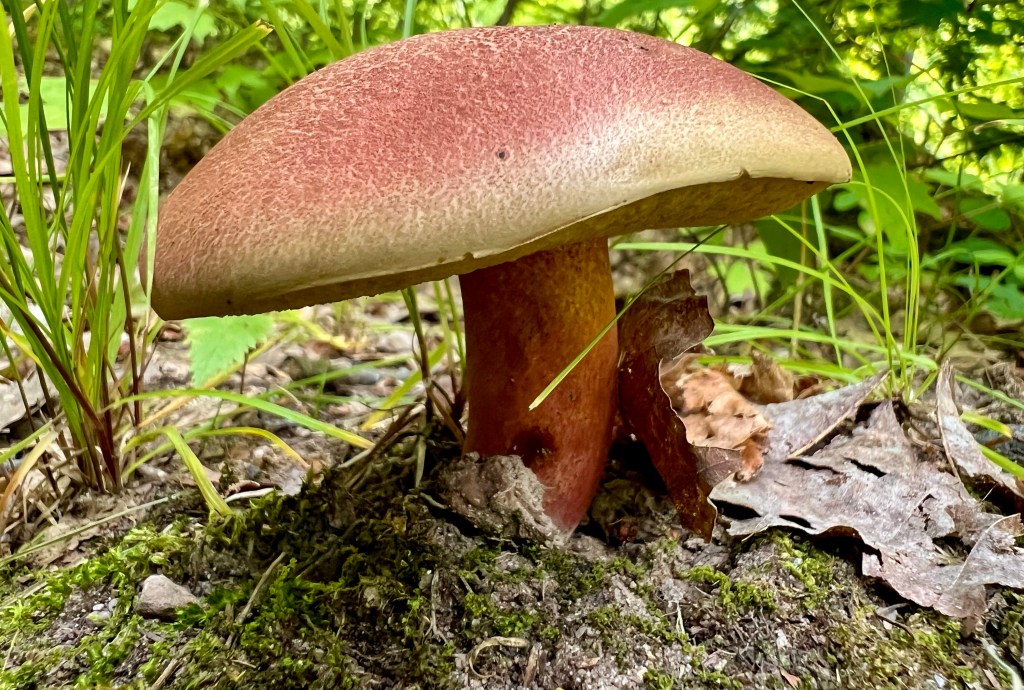
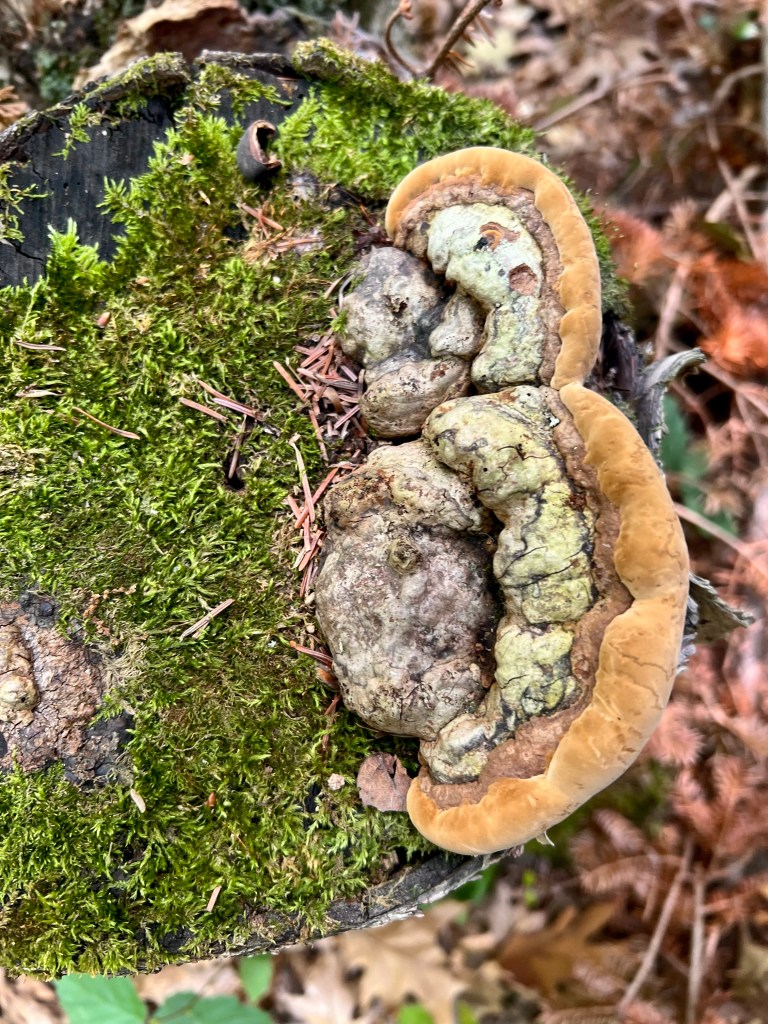

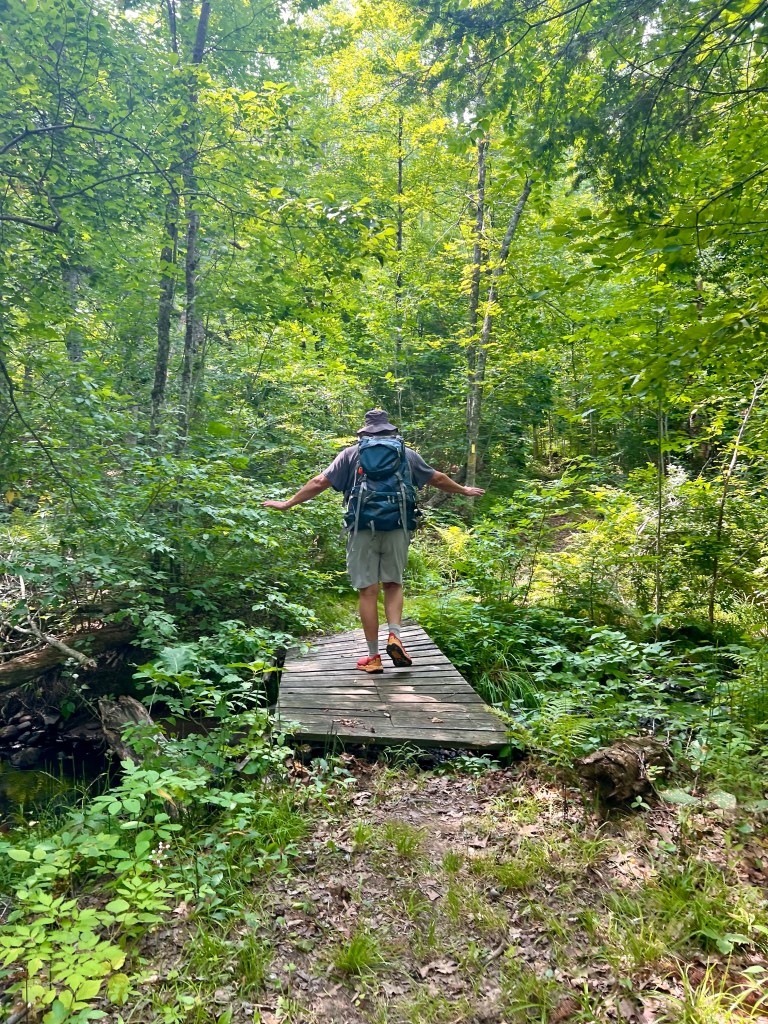
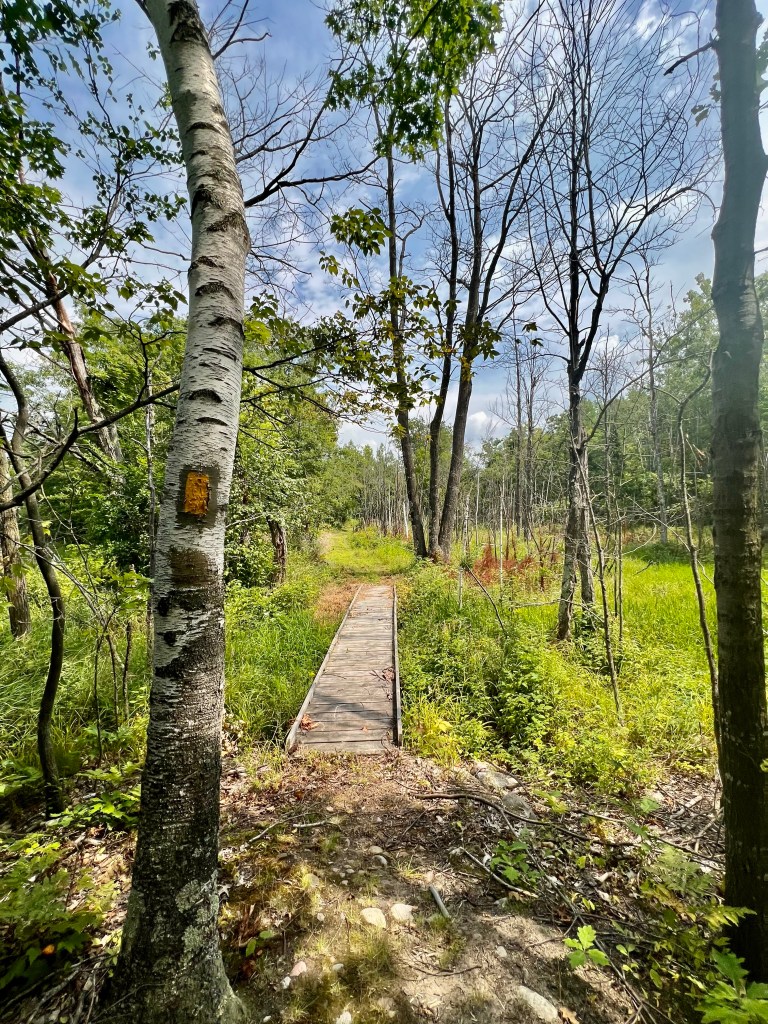

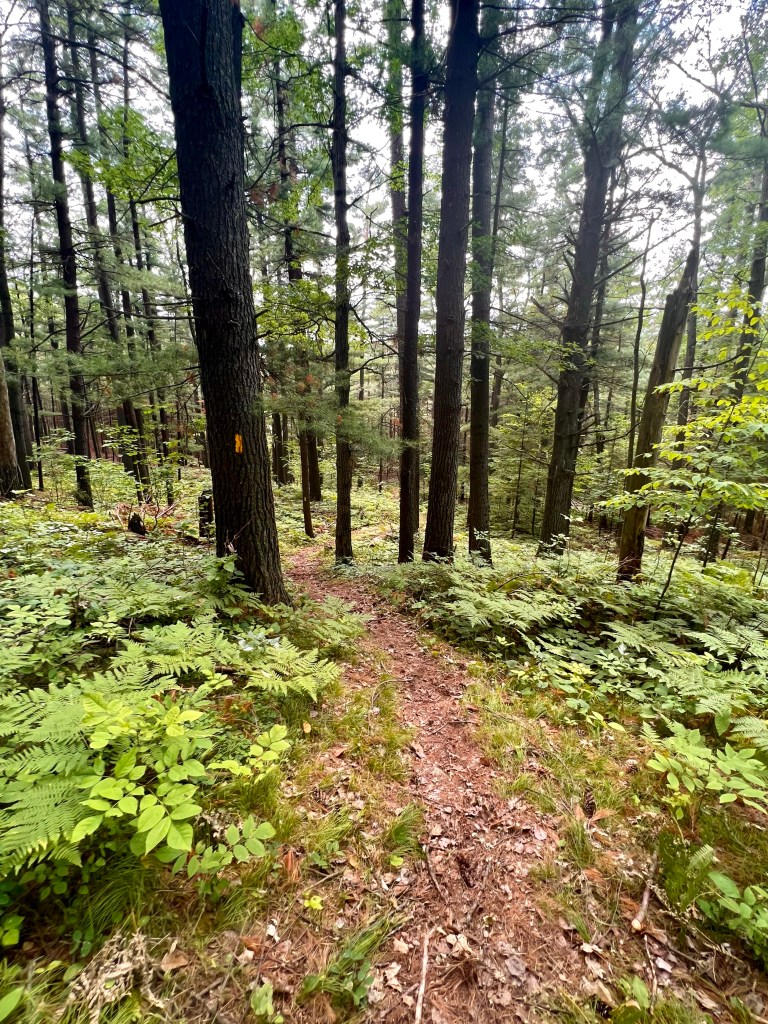
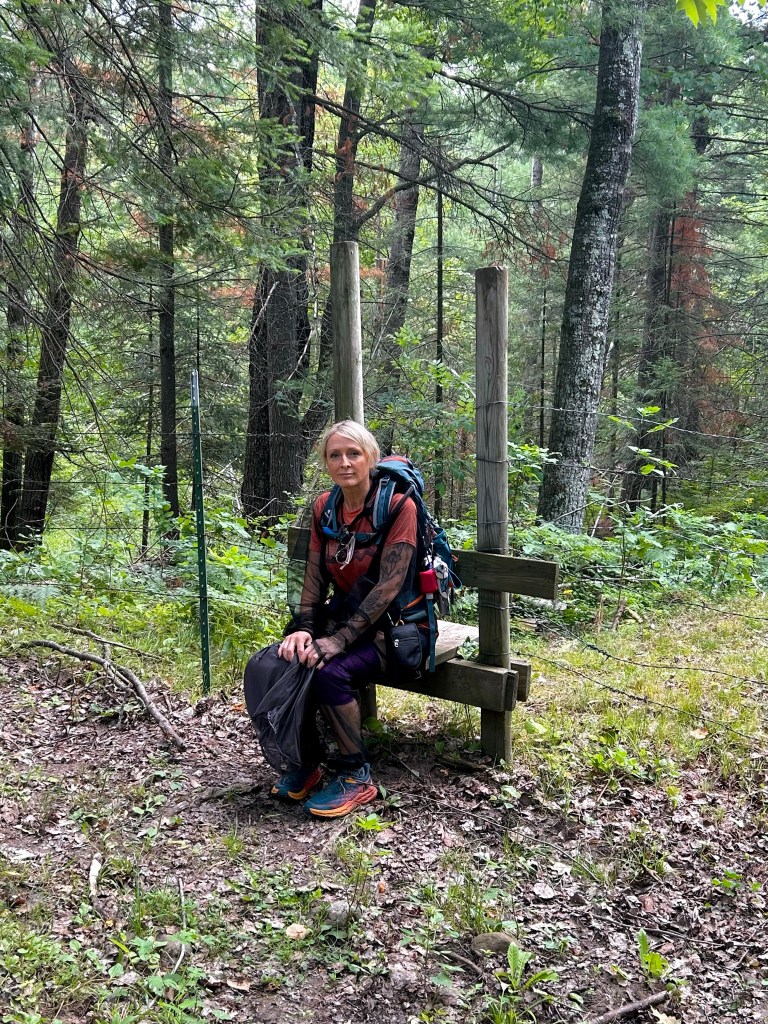
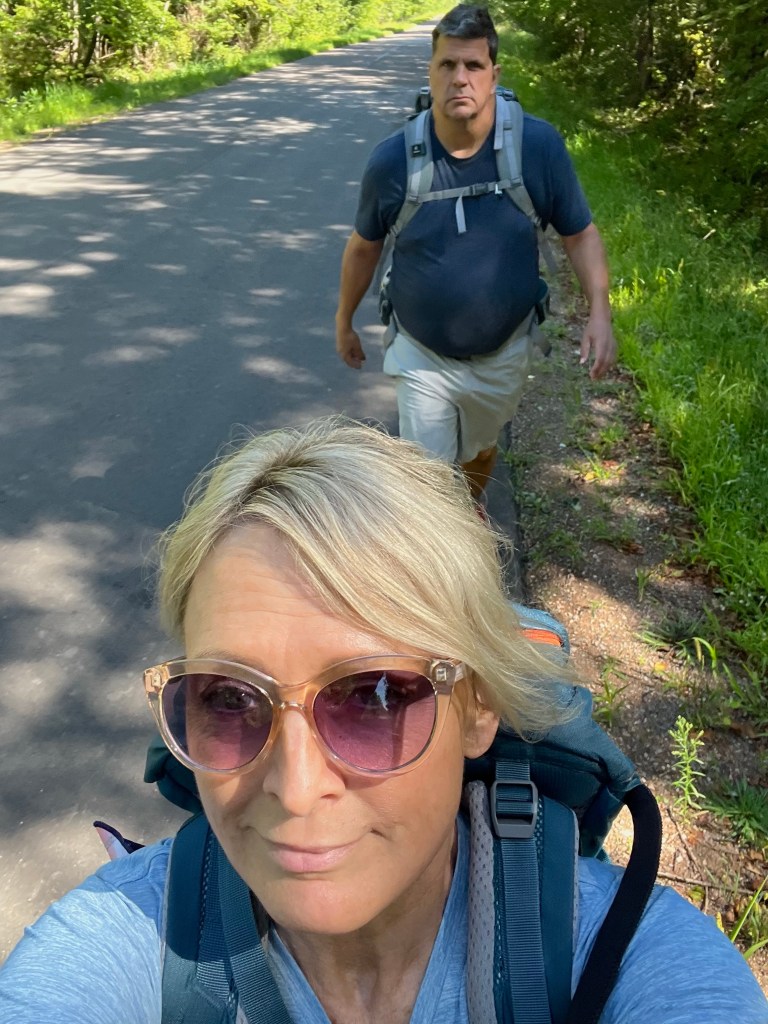
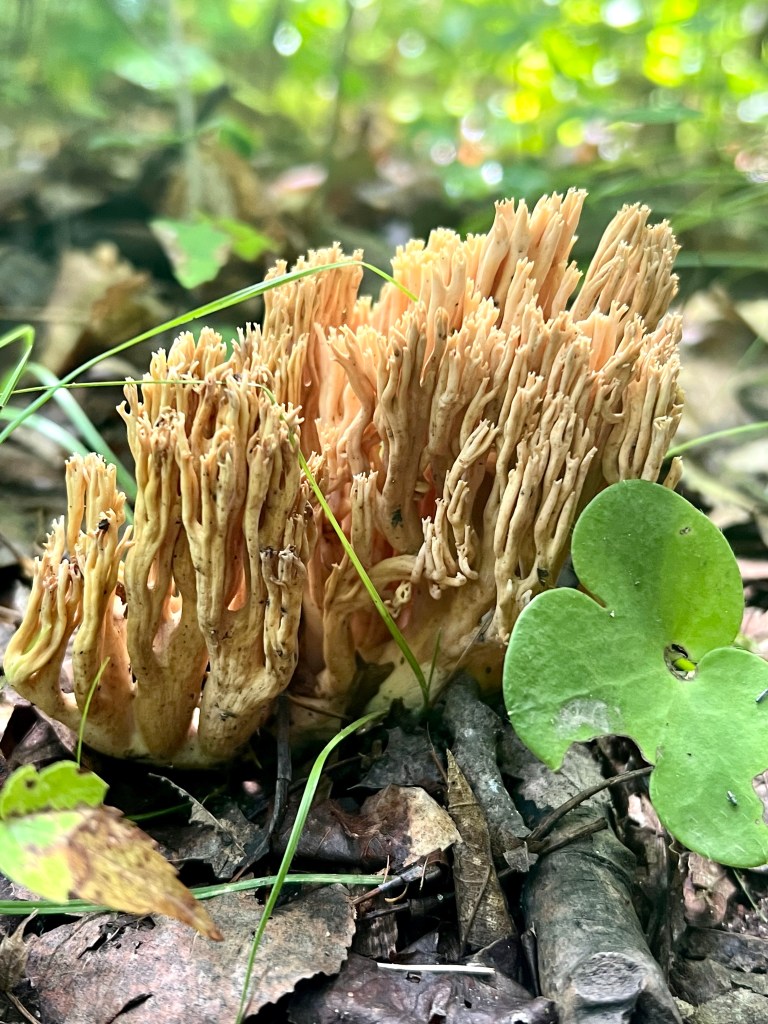
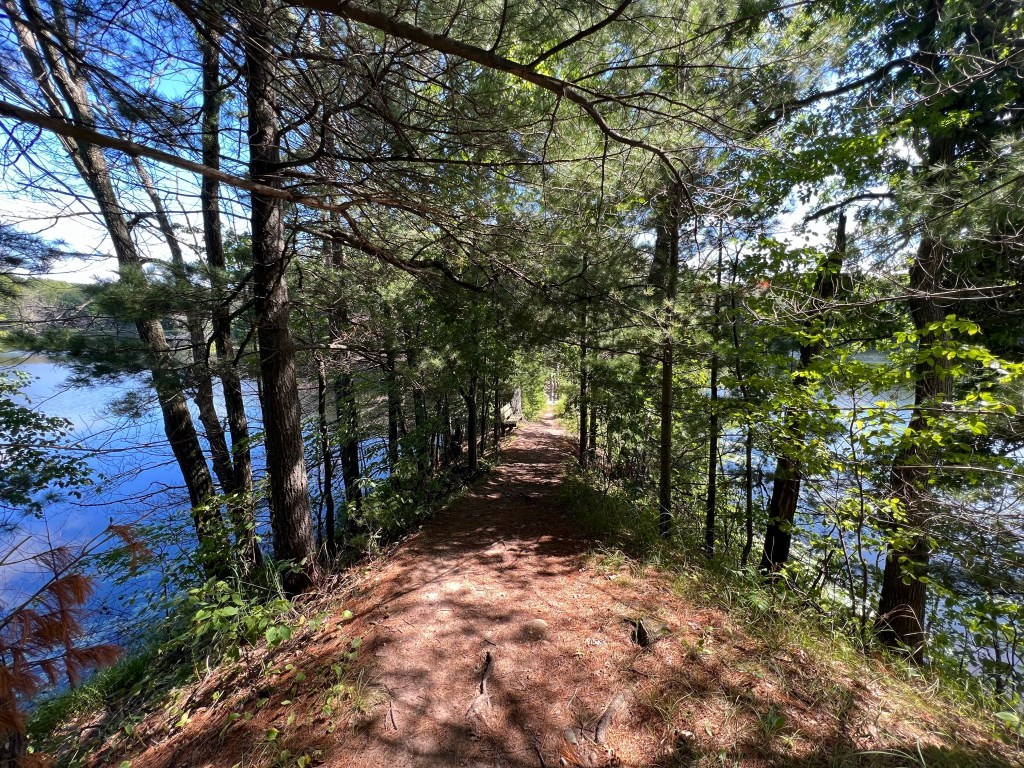
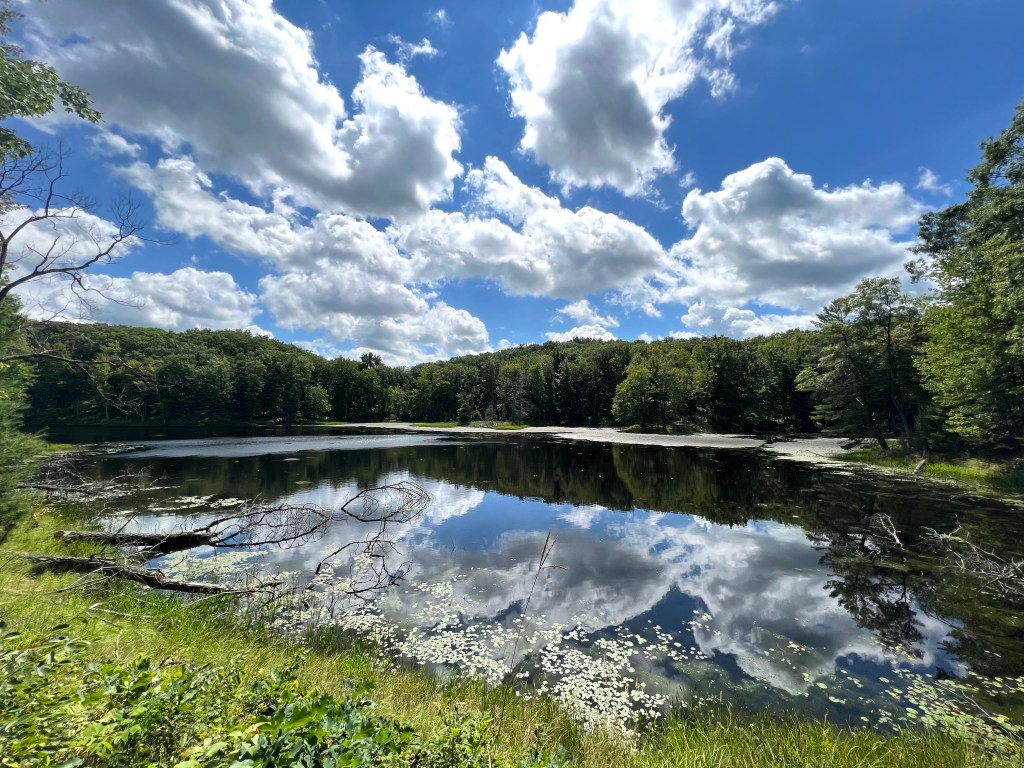
I hope you have signed up for the Move More Challenge! If Tim and I inspire one person to reach a personal movement/fitness goal, we would consider our challenge a success!
Thank you to everyone for the words of support!
https://wiparkinson.app.neoncrm.com/np/clients/wiparkinson/donation.jsp?campaign=274&&test=true
Stay well and keep moving!
Ice Age Trail Thru Hike…Did I mention it’s hot?
Day 4 ended at mile 61.4
Meeting the challenges! Here’s the reality:
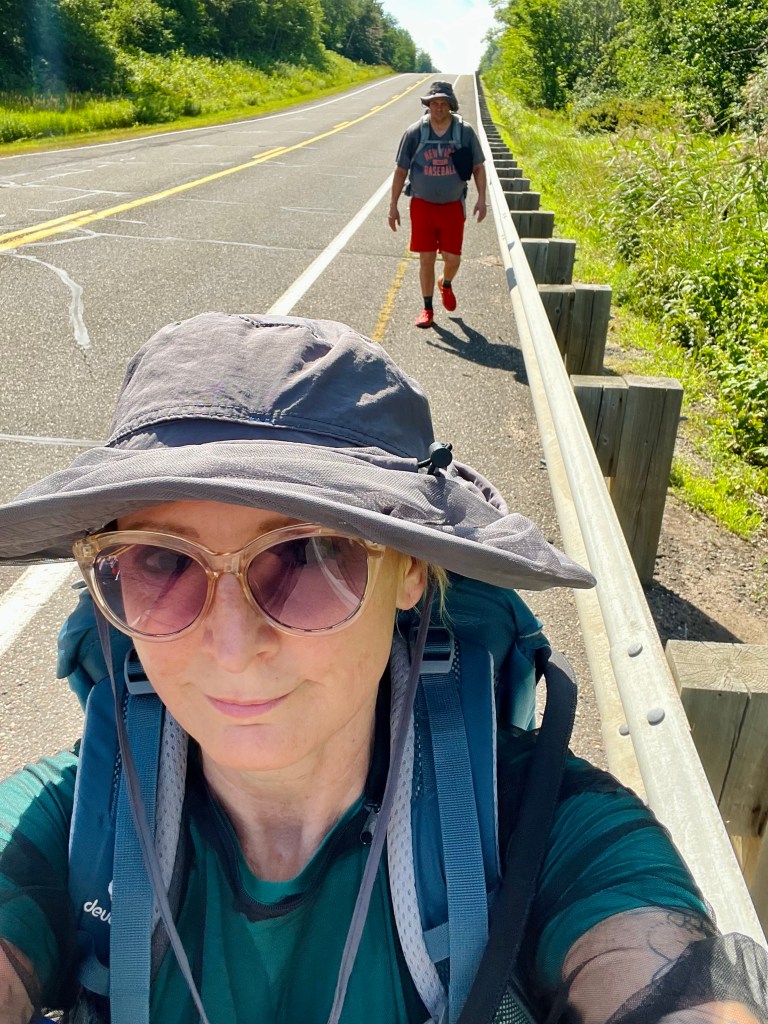
Day 3 we woke with blisters, and Tim was suffering from chaffing. I expected the trail to be difficult. If you’re dreaming of thru hiking know that it’s not just a walk in the woods. Hauling a pack for 20 miles a day is a challenge; in 91 degree weather it’s simply dangerous. Road segments are nice because the terrain is flat but they’re sun exposed. The wooded sections are slightly cooler but hard on the feet with all the steep hills. We’ve been staying very hydrated, but can certainly do better with our meals. By the time we get to camp we are exhausted and not hungry…especially for hot food. Camping is hot and sticky until about midnight. There has not been much rest time which our body’s need to heal prior to moving on. We’ve decided that we may have to reduce our mileage during the hot weather and make up for it when it’s cooler.
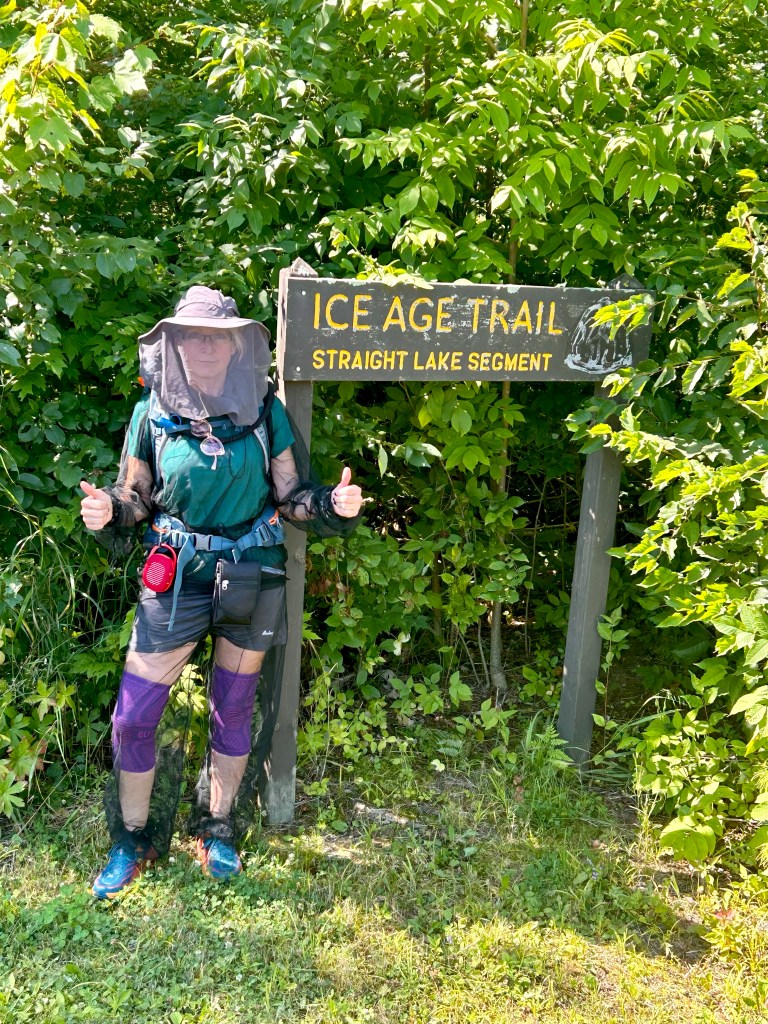
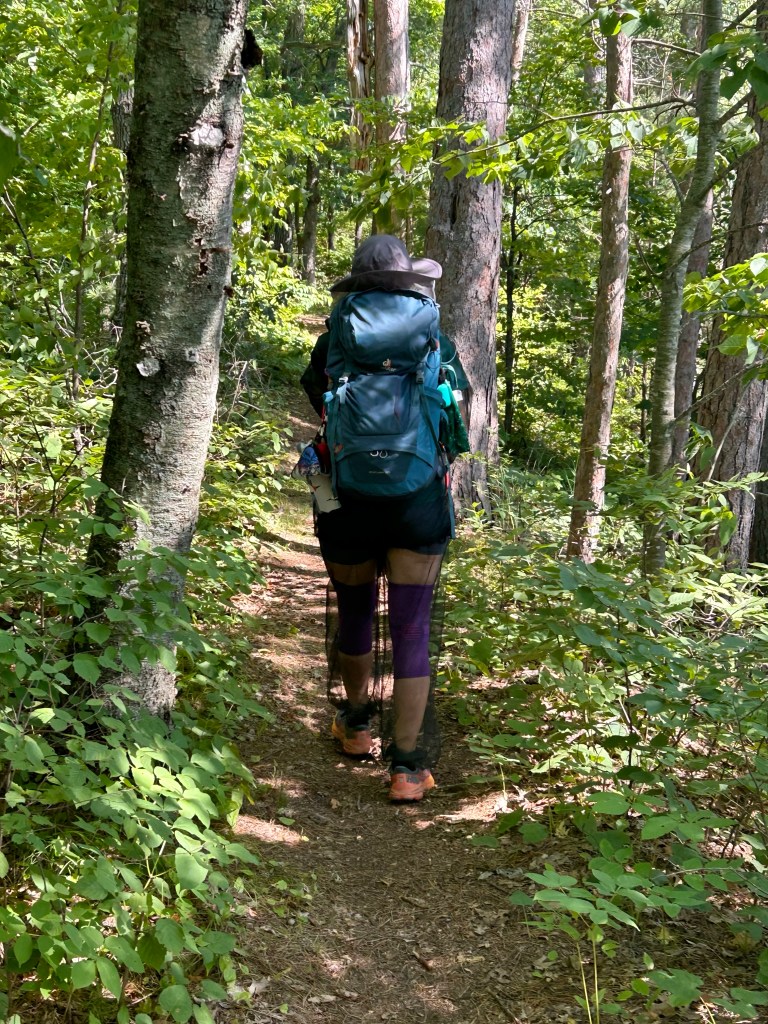
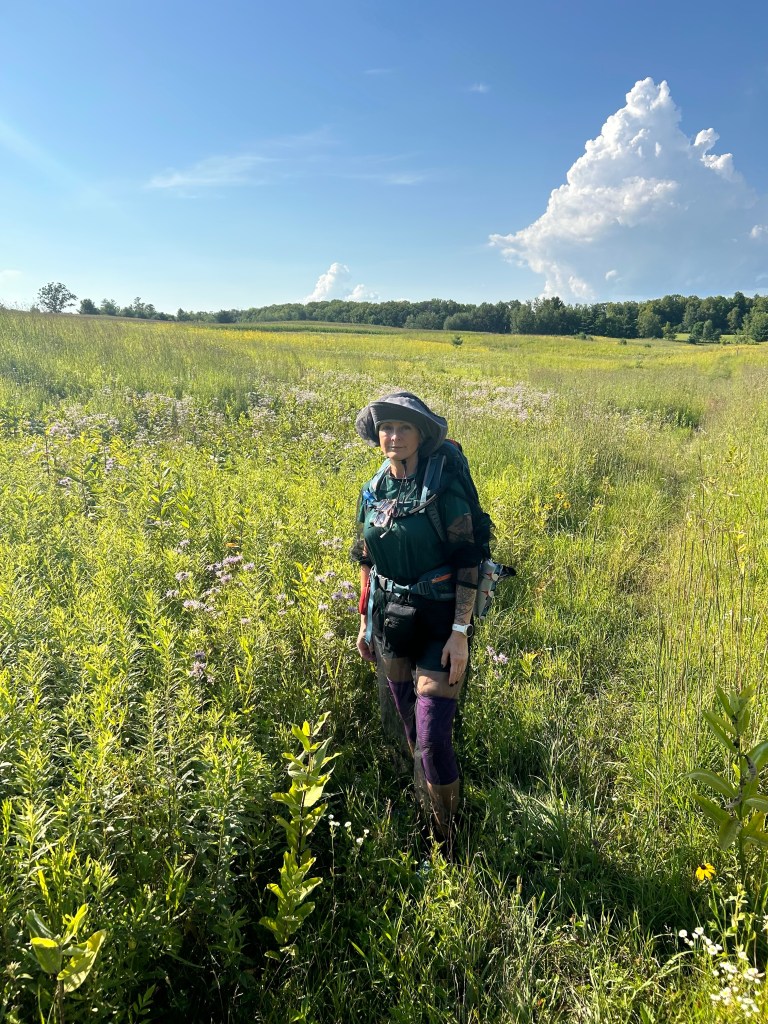
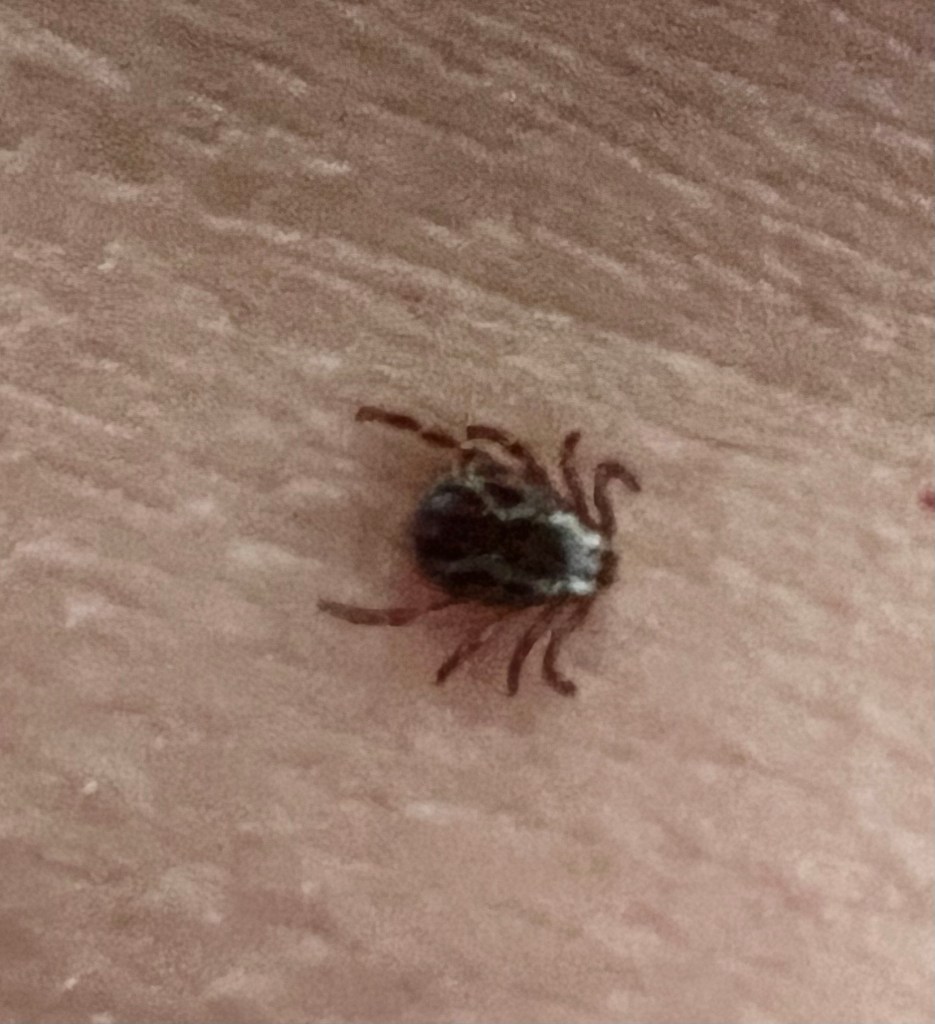
We are quite quick! Faster than I expected us to be. In rough terrain we average about 2 mph but on smooth train we’ve been 3 1/2 to 4 mph. We are still getting our groove and dream of autumn weather. I’ve been wearing my bug suit in all the woods. The bugs love me as I knew they would. The suit can be a little warm, but anything beats itching all night long. I look forward to autumn when I don’t have to wear the suit and can see the details of the woods better without mesh over my face. It has also protected me from ticks. Tim, on the other hand, doesn’t like to wear the bug suit because it makes him too warm. He has had a couple ticks but none that have burrowed. We have been doing complete checks regularly.
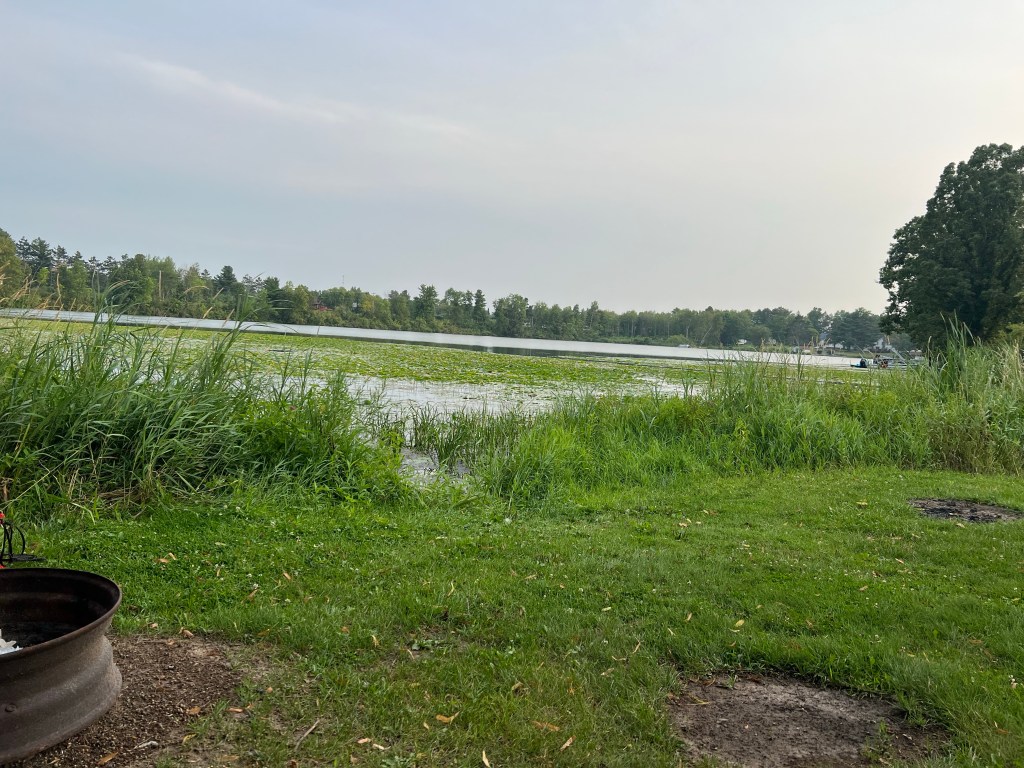
Tonight (Friday) we have a campsite next to a lake. There’s a cool breeze, and no bugs which is a blessing.
The trail provides:
I’ve had opportunity for self reflection on my life and where it has taken me. I expect much more. So far, this adventure has taught me to be flexible with our itinerary and daily goals. Our health has to come first. Believe it or not, I’m not a competitive person. Hiking Ice Age Trail has been a goal of mine, but for the reason of immersing myself in nature without daily distractions. My ultimate goal is not to hang my hat on completing the Ice Age Trail. I want to get closer to my husband, closer to God, and return home a better version of myself for my family. The trail is where I seek these things.
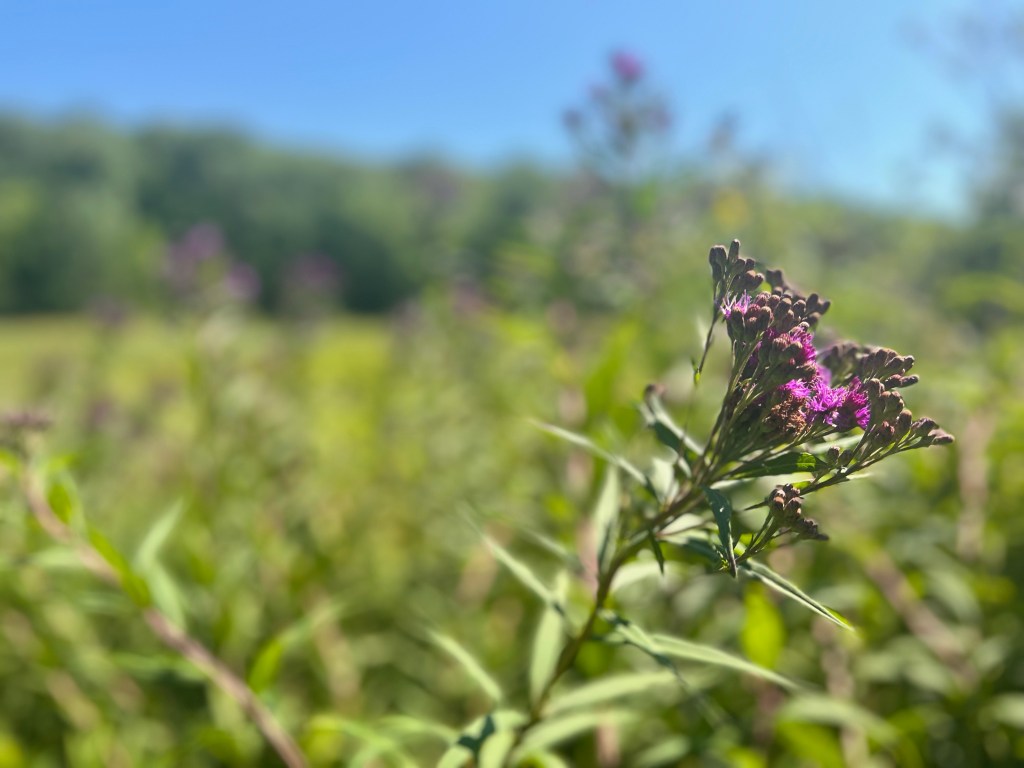
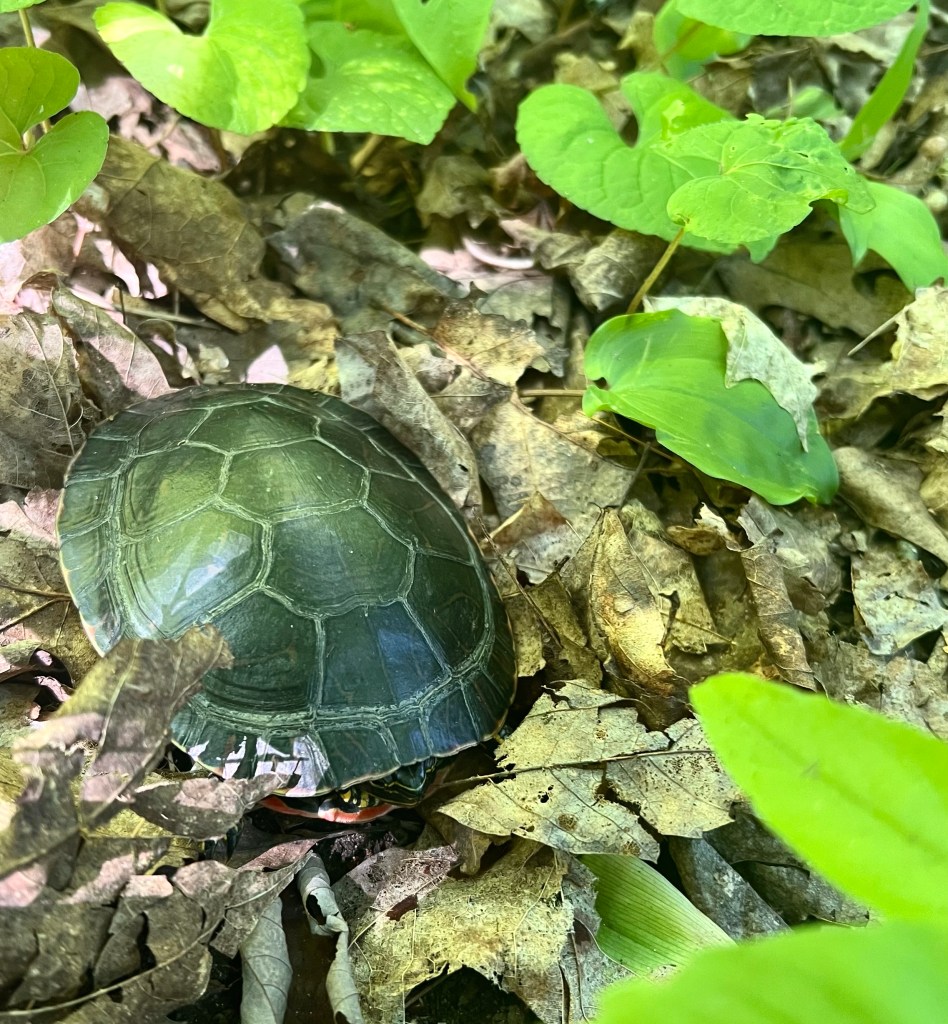
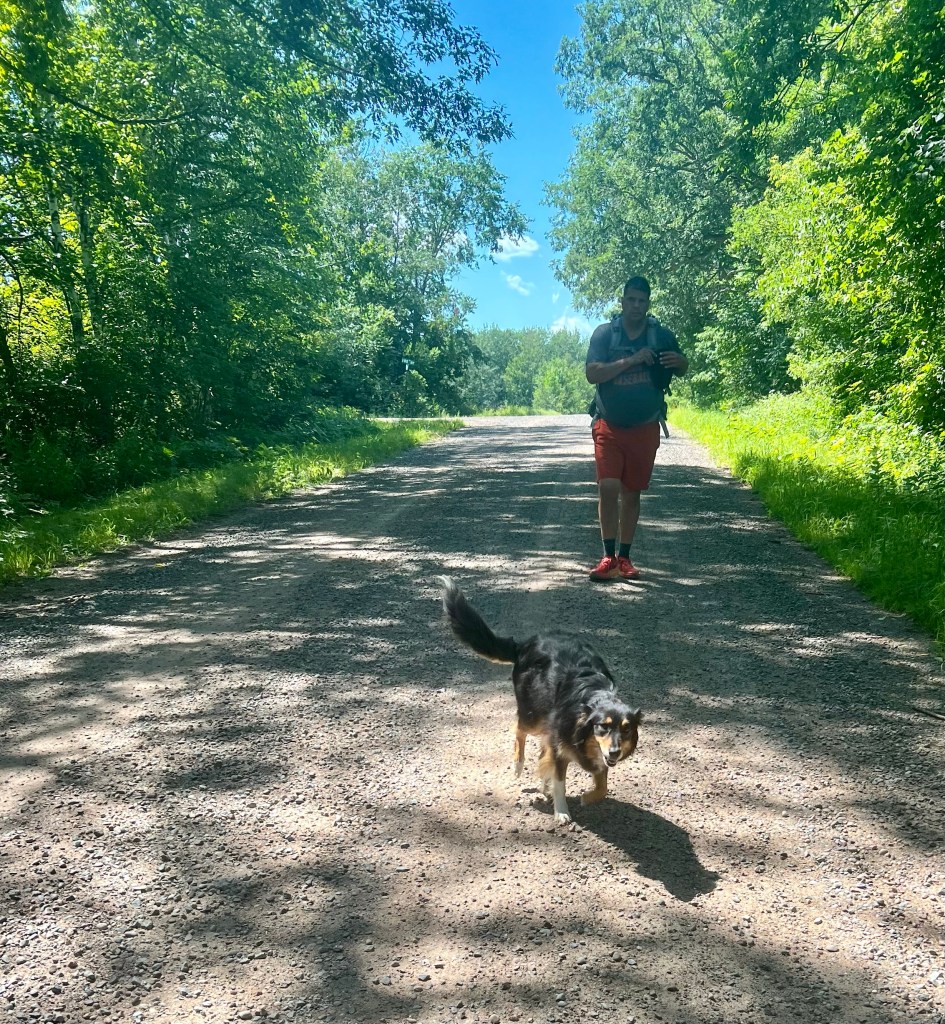
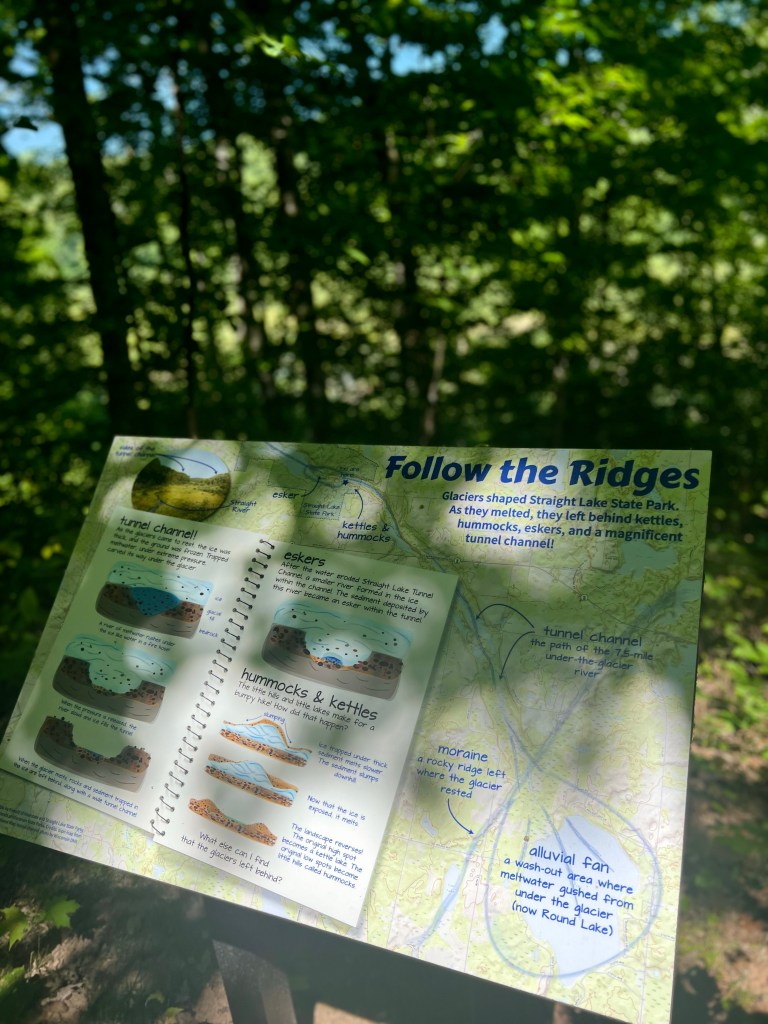
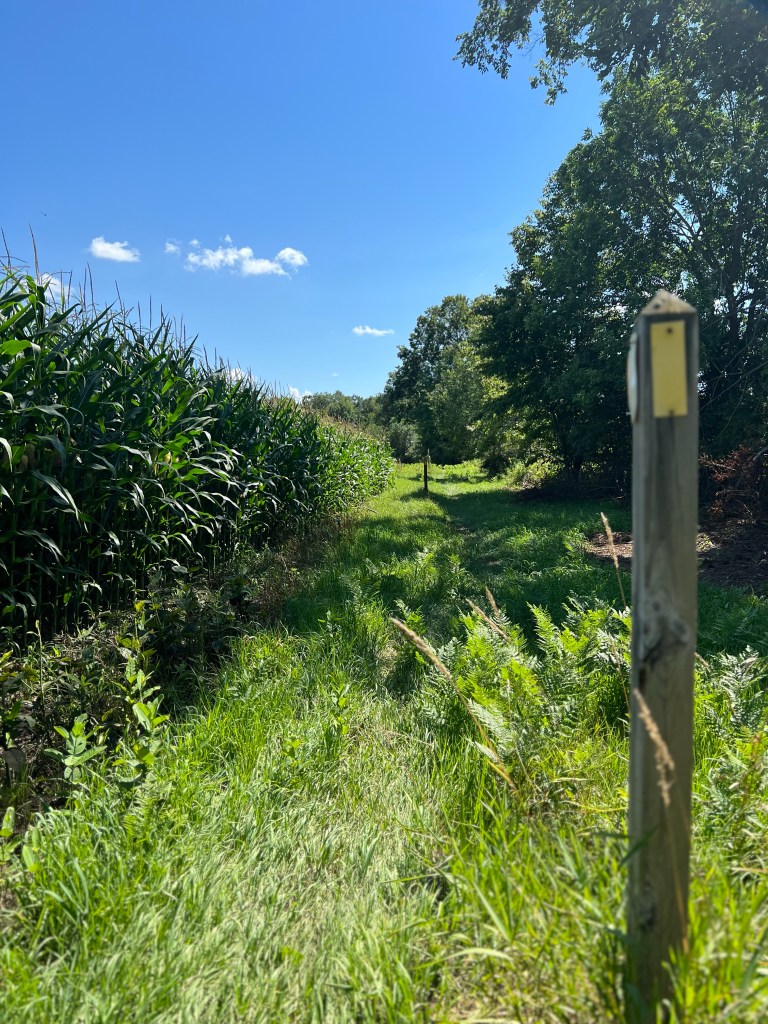
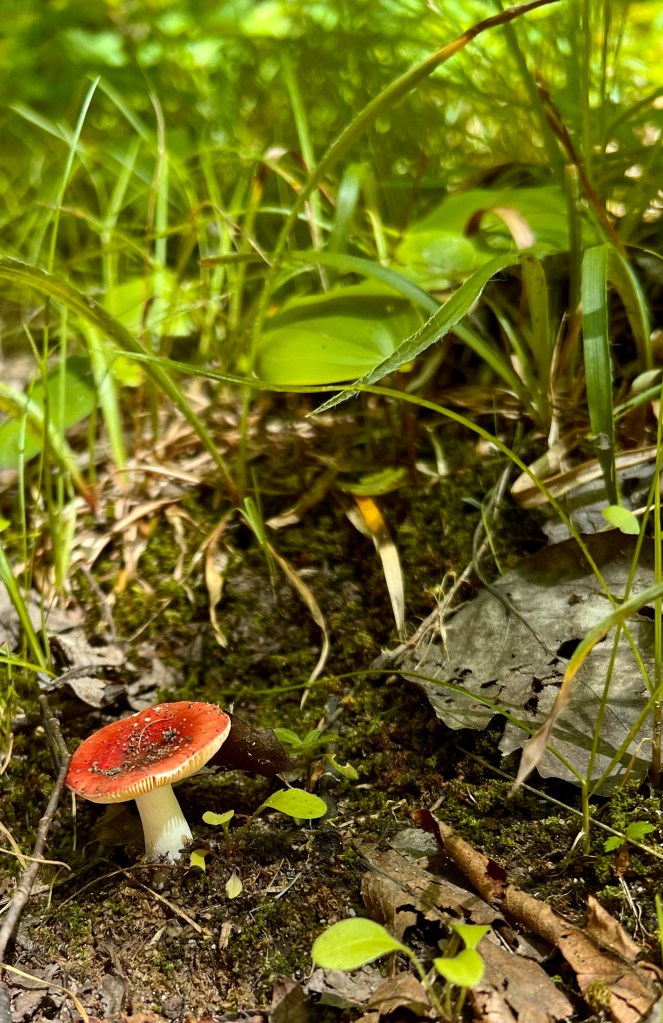
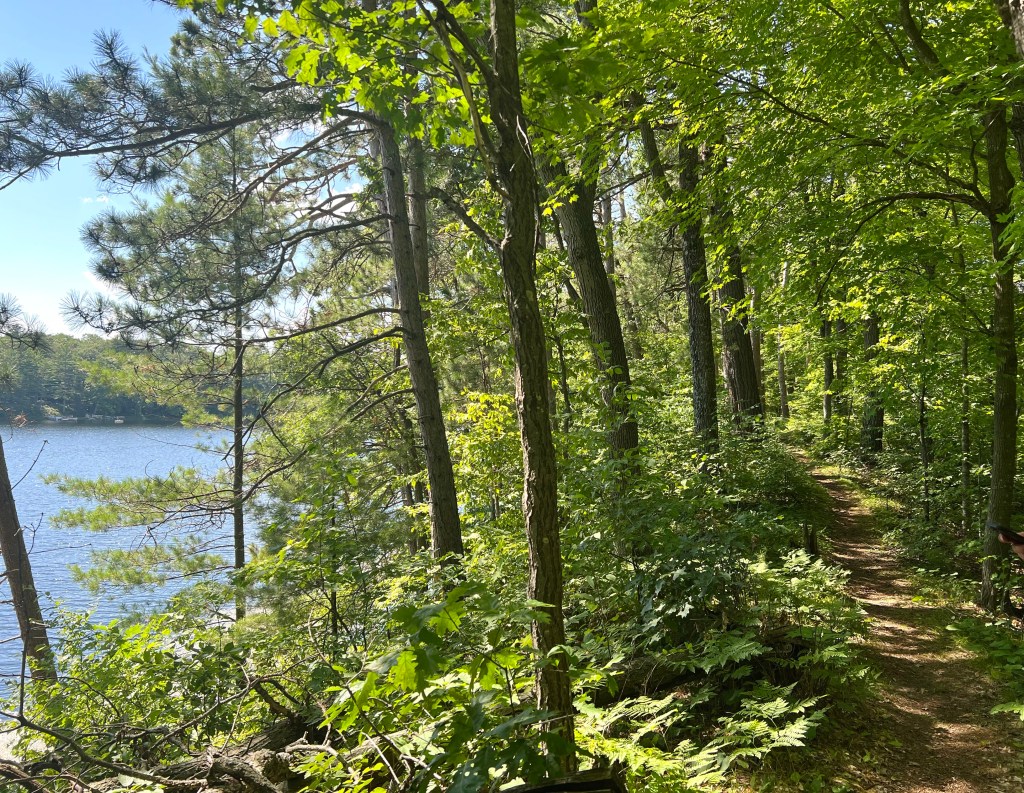
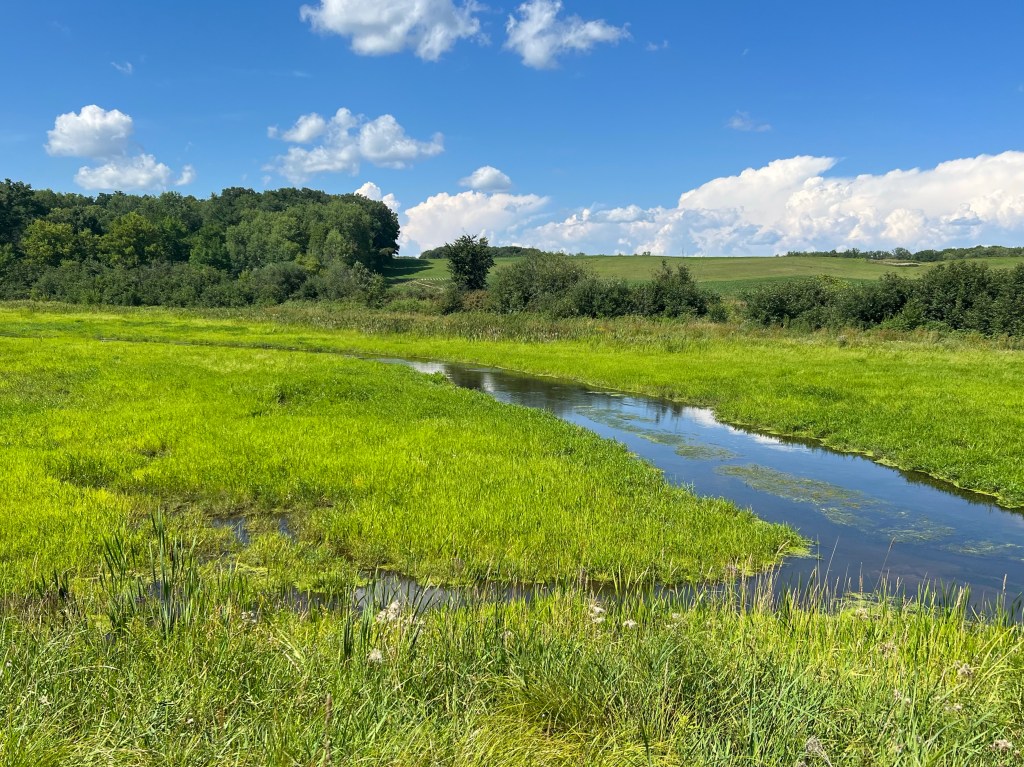
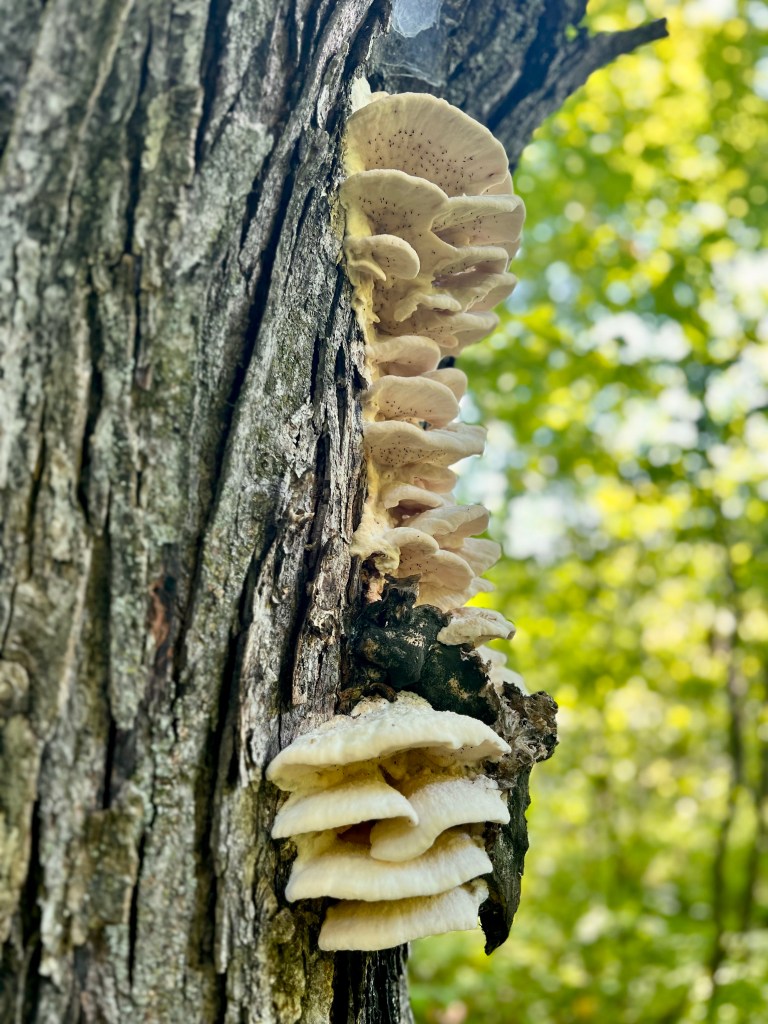
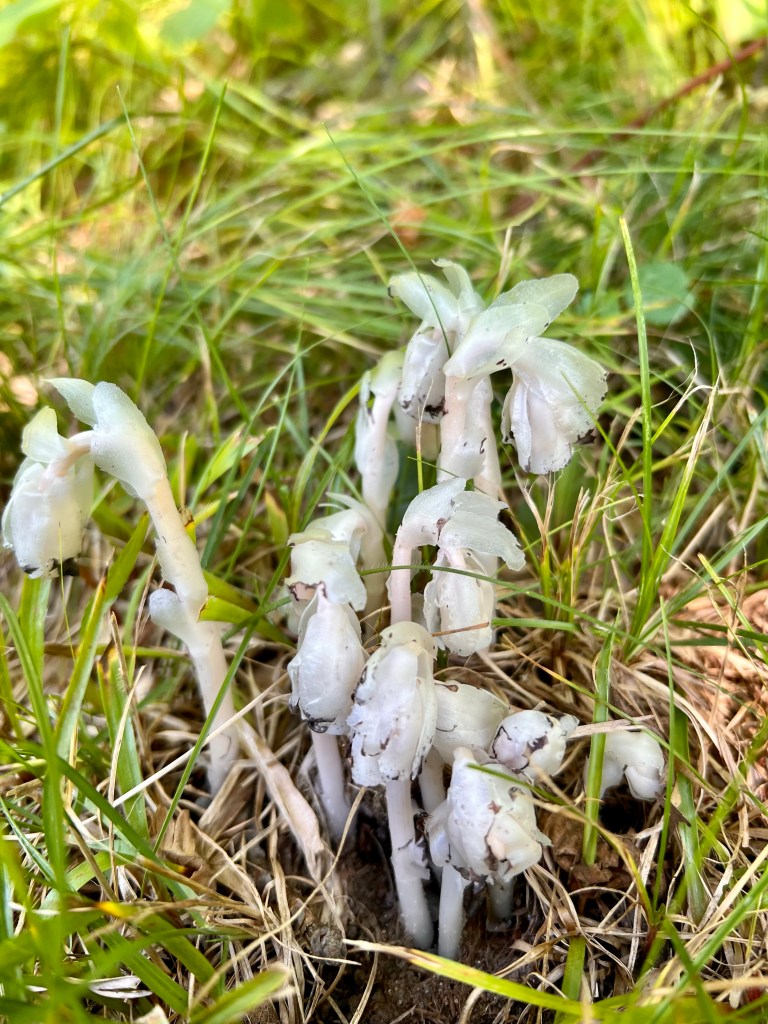
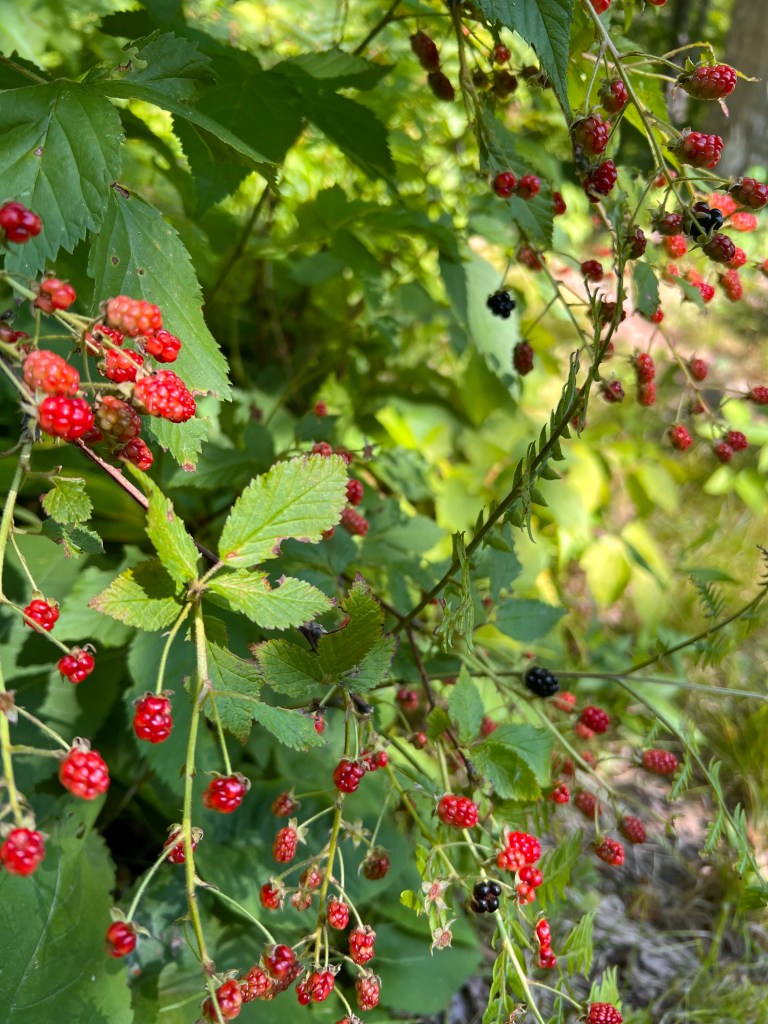
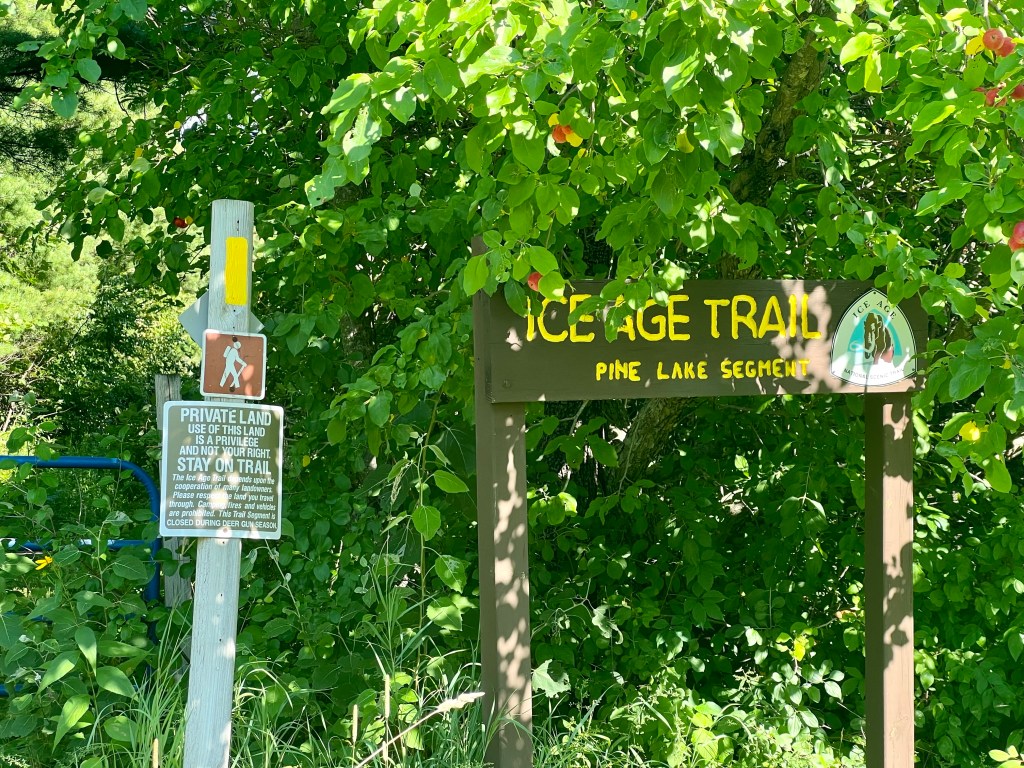
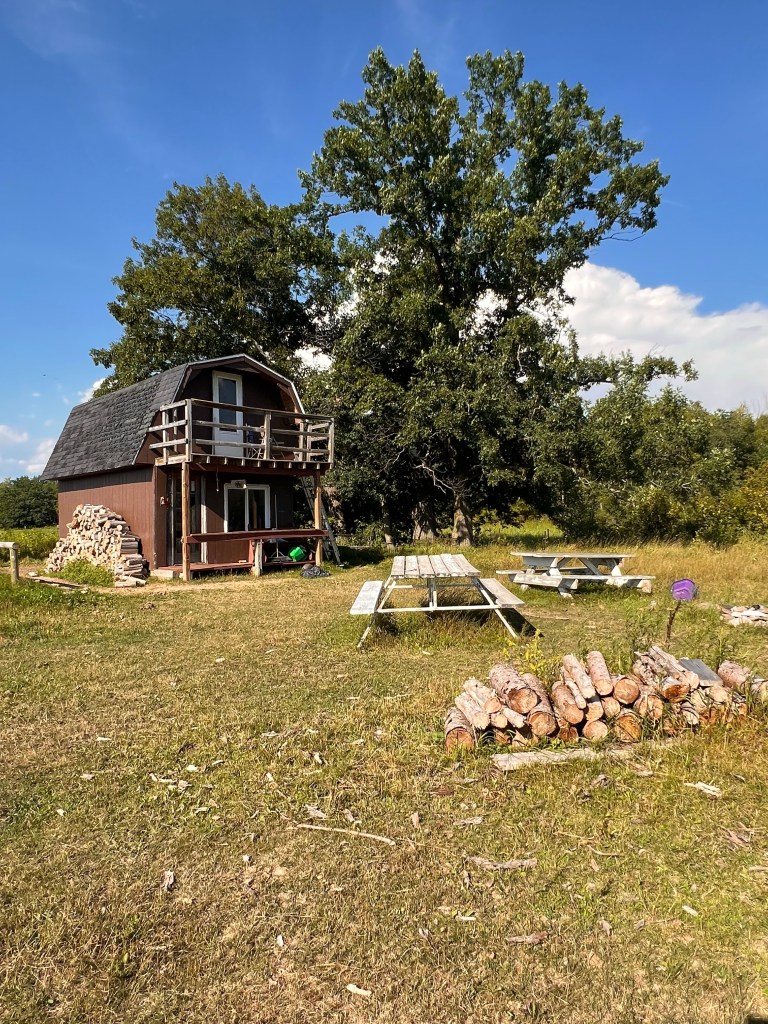
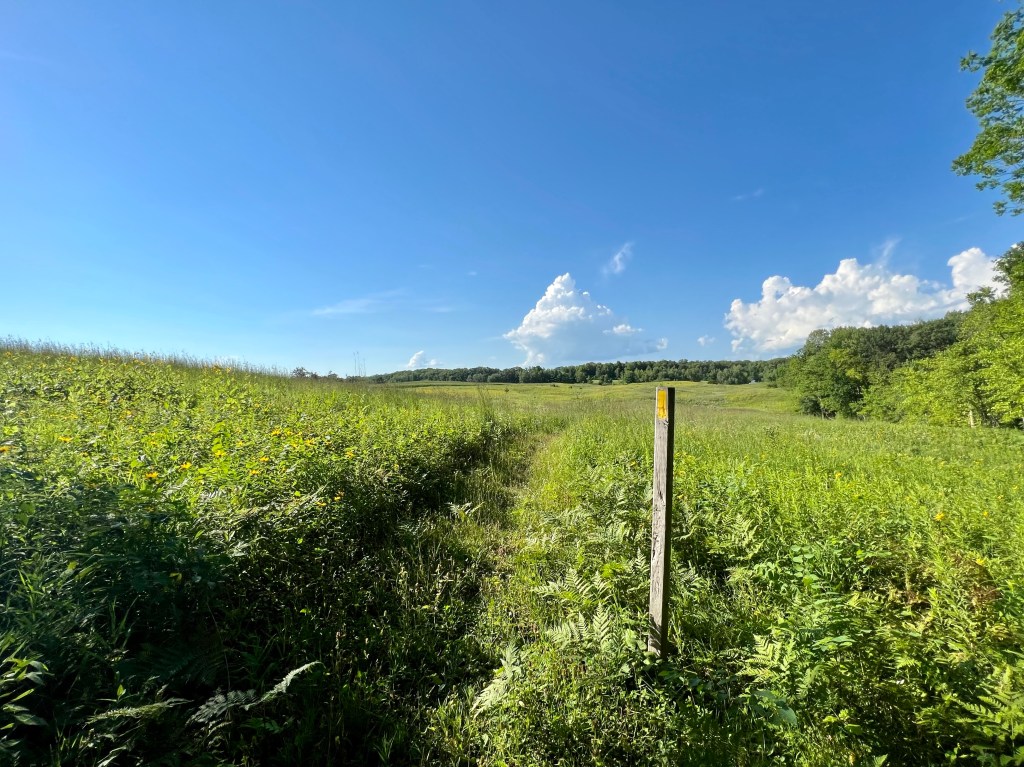
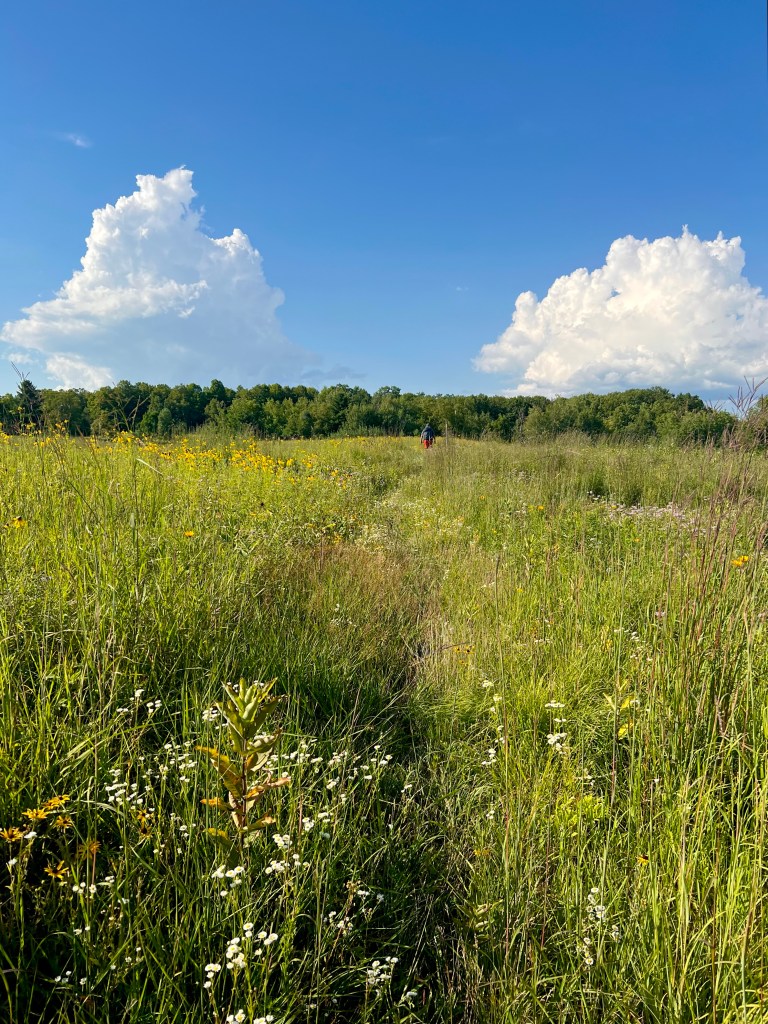
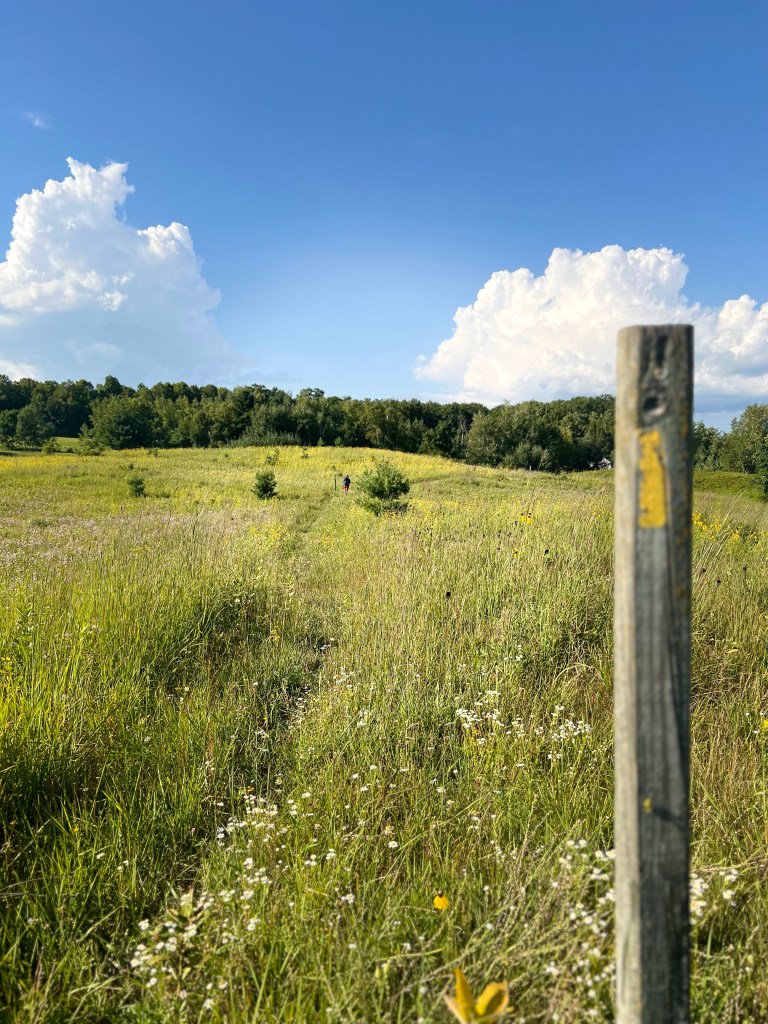
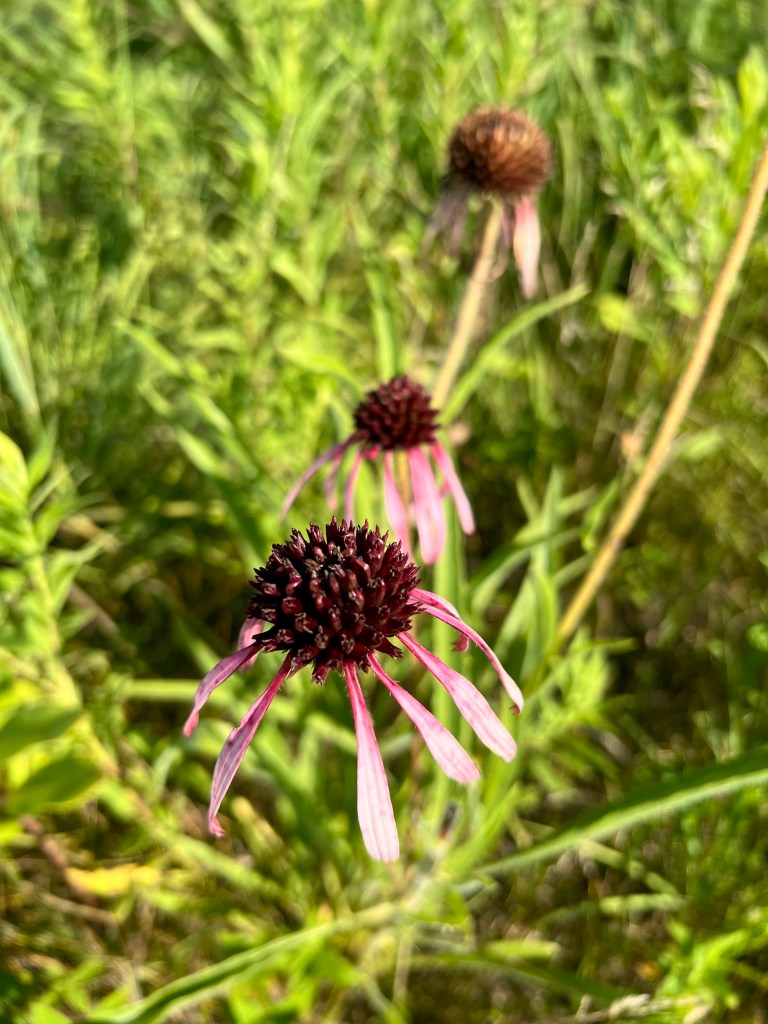
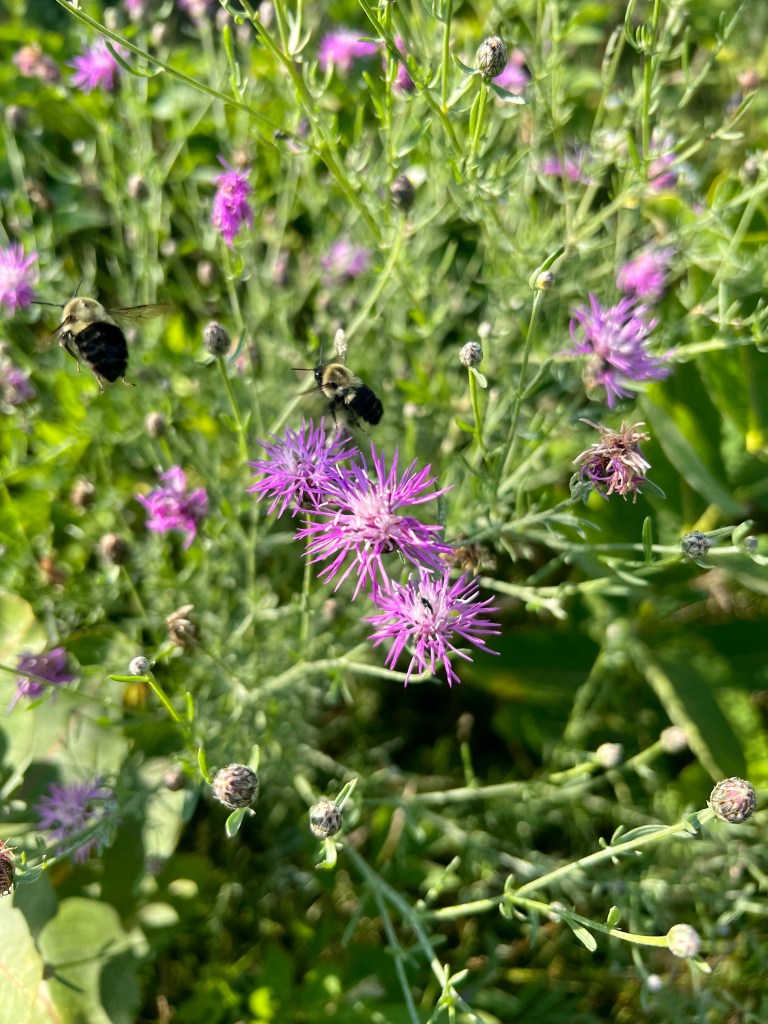
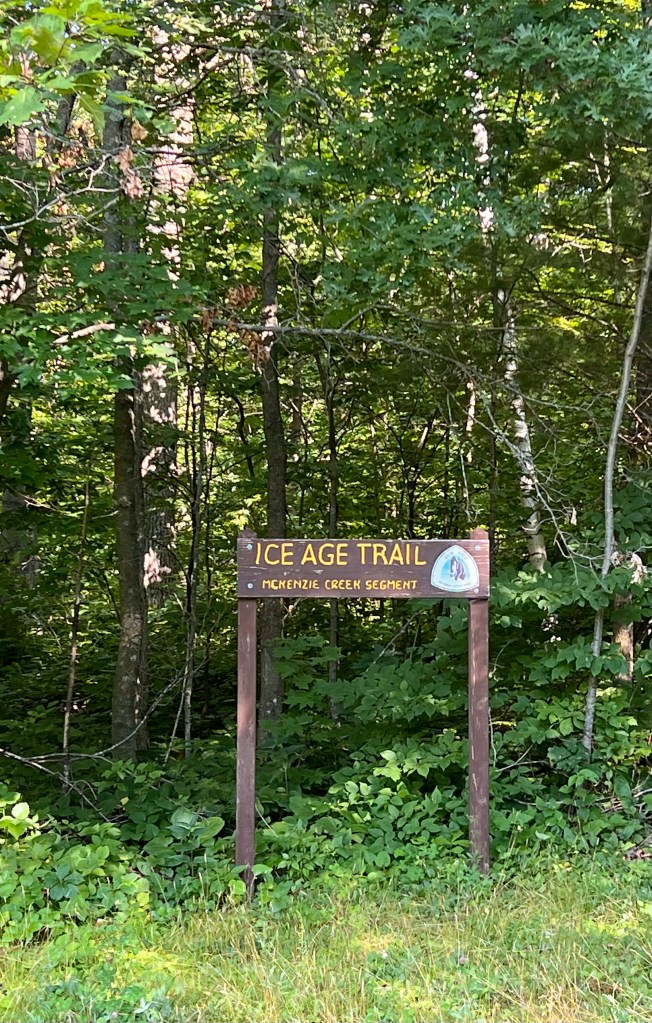
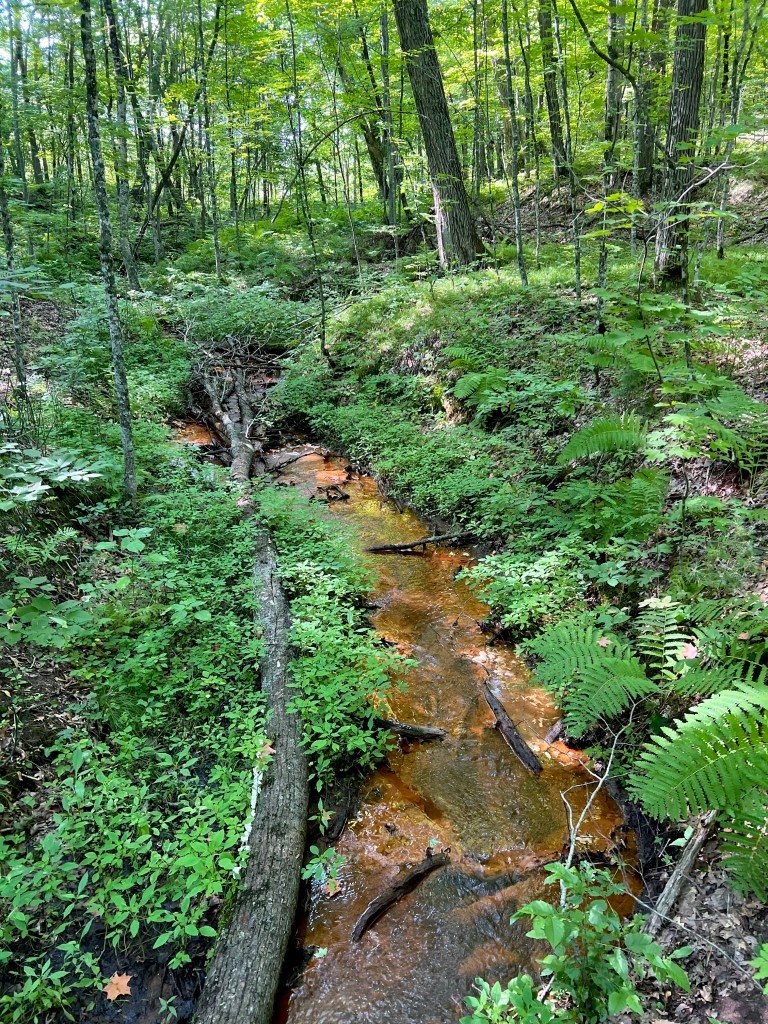
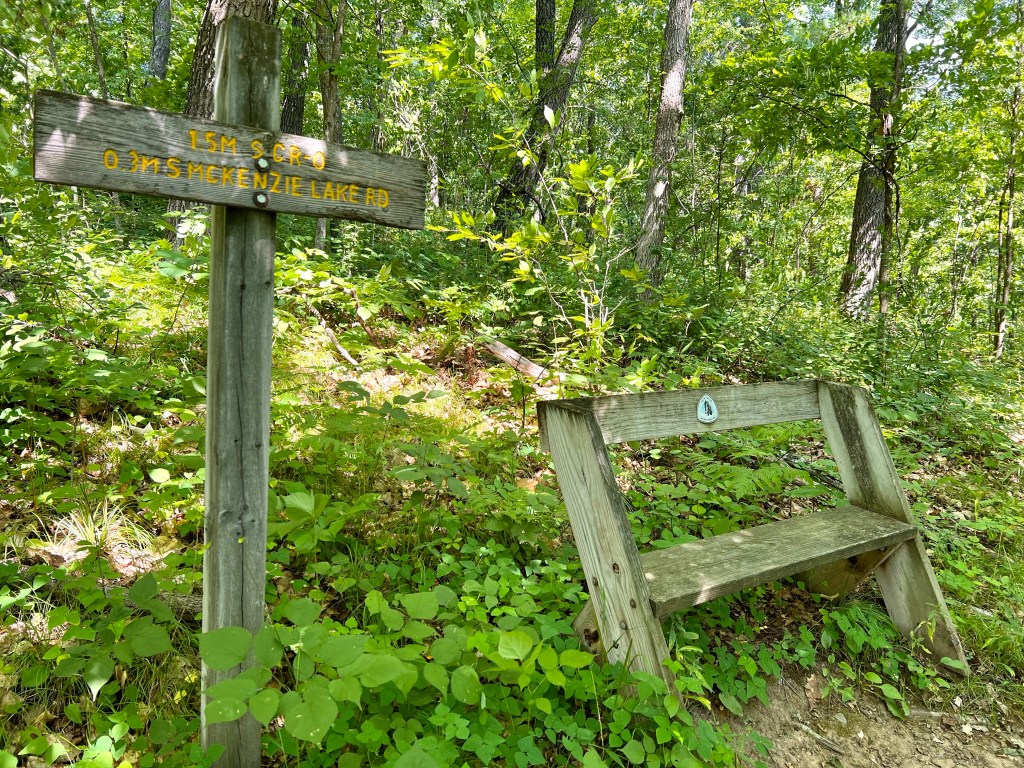
Here are our highlights from Days 3 & 4. Since each photo came at the expense of one to two mosquito bites to my hands I didn’t take many photos.







https://wiparkinson.org/event/2023-ice-age-trail-thru-hike-for-parkinson-disease/

https://wiparkinson.app.neoncrm.com/np/clients/wiparkinson/donation.jsp?campaign=274&&test=true
Thank you so much for your moral support and helping to fund WPA programming!
Dacy & Tim
Thru Hike for PD Kickoff
We’re on our way!
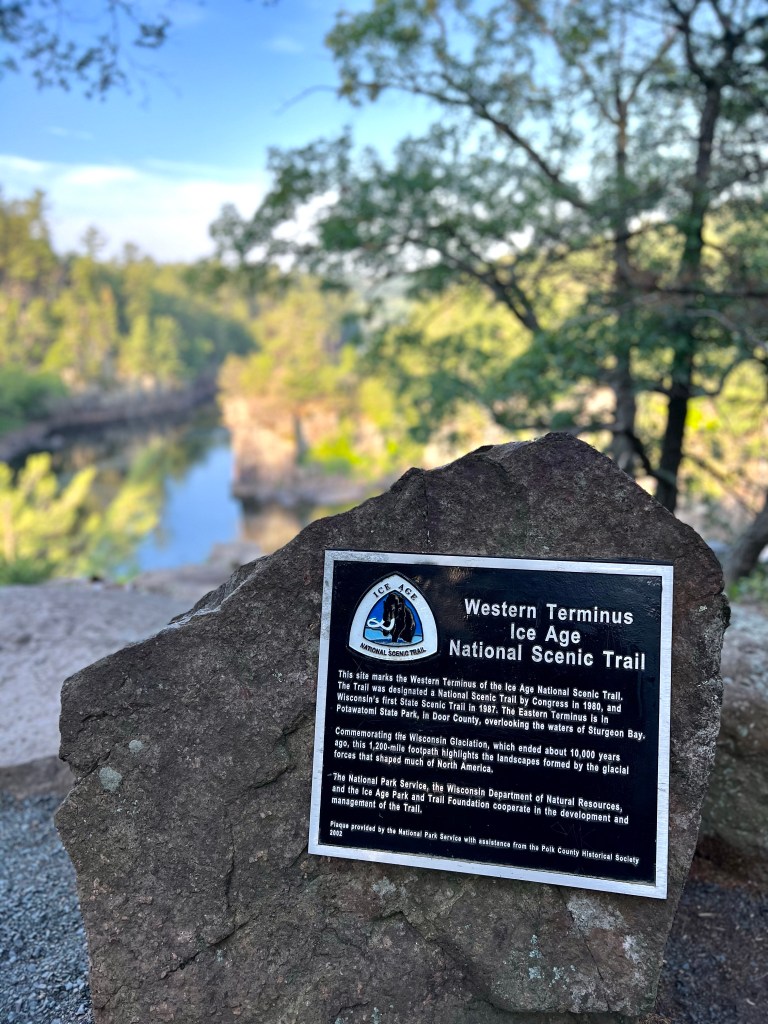
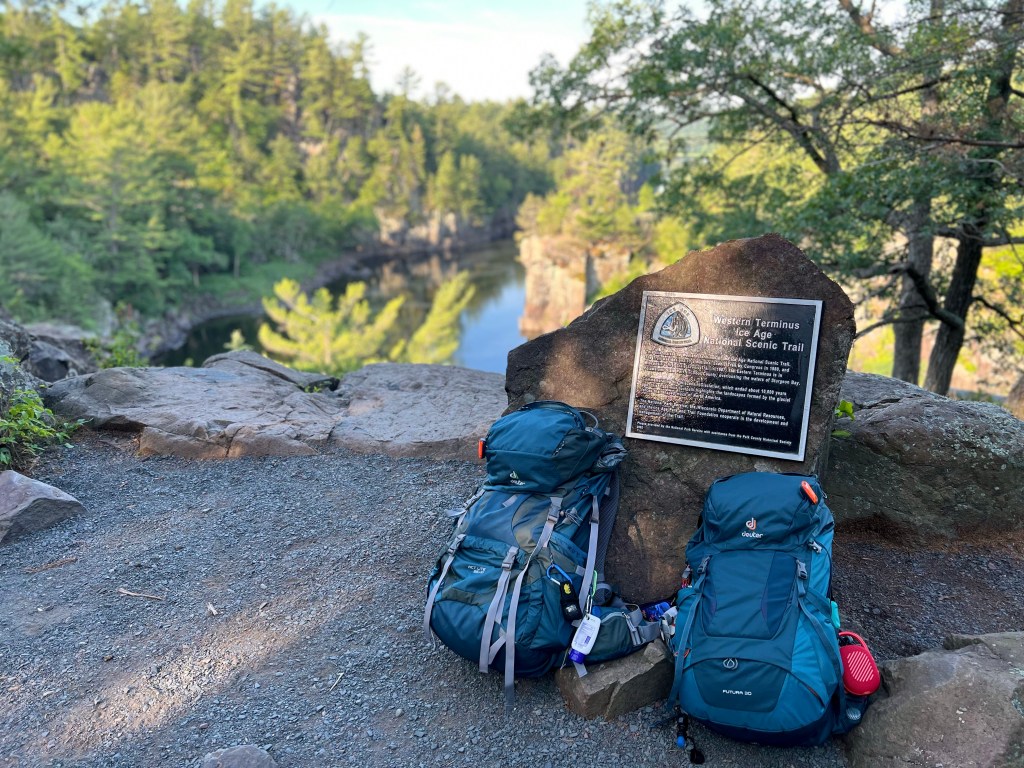
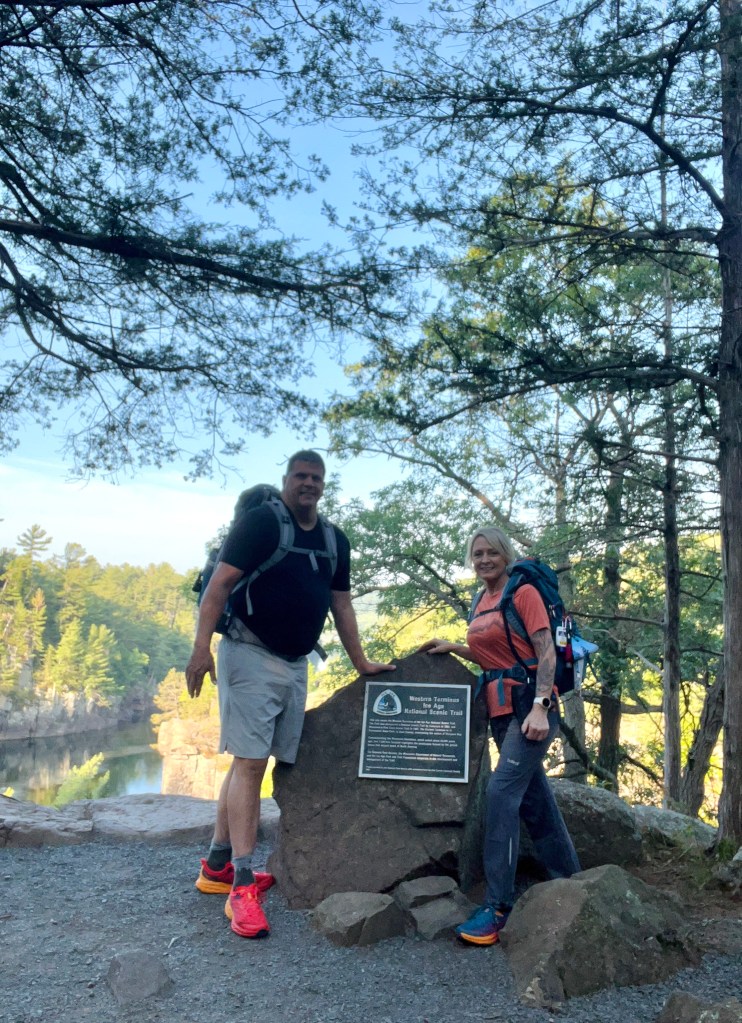
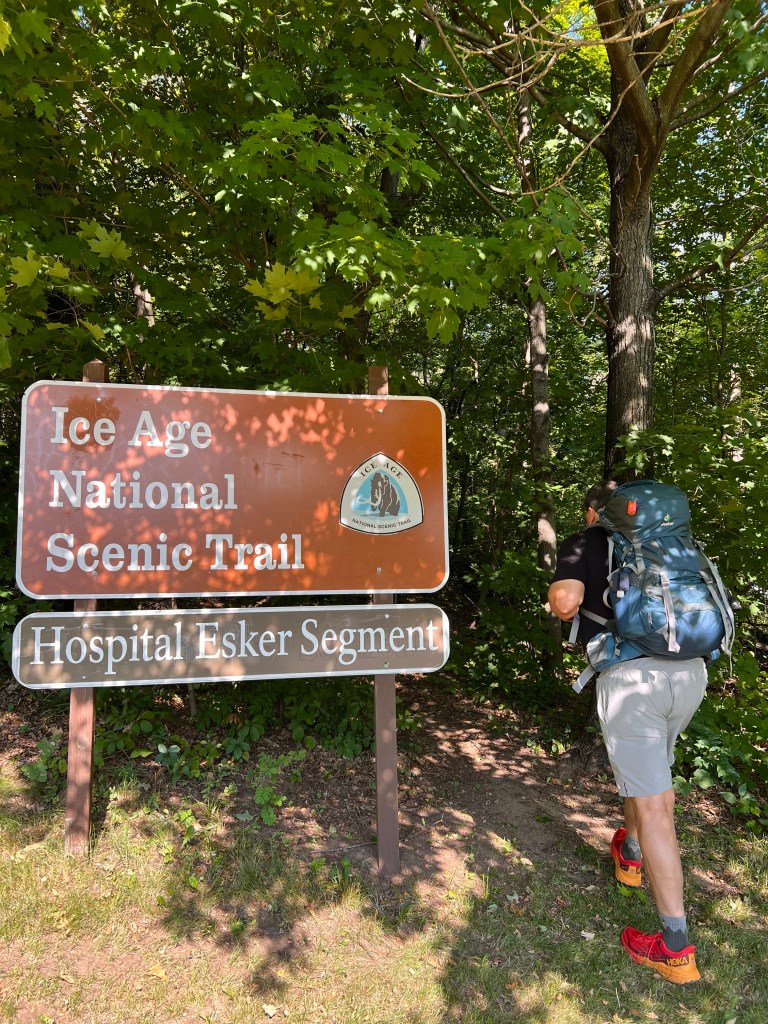
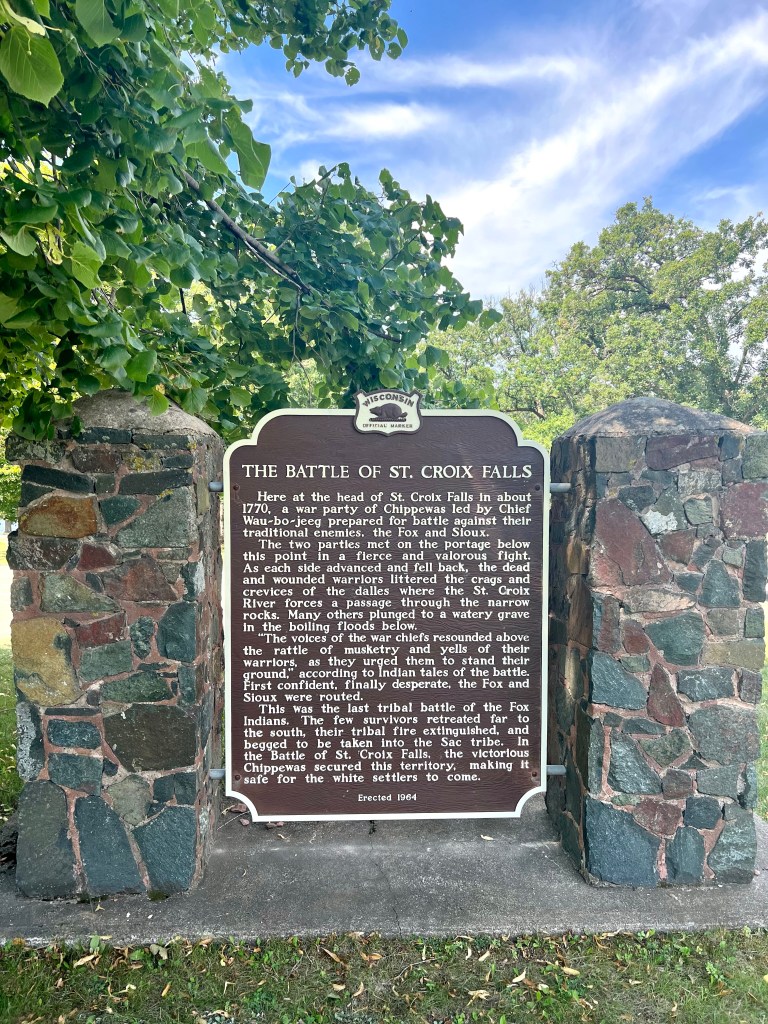
We kicked off our thru hike on Tuesday August 1st, 2023- starting at the western terminus of the Ice Age National Scenic Trail in St Croix Falls.
It was a beautiful morning and we were the only ones there. We hiked for 14.6 miles until we hit the small town of Centuria.
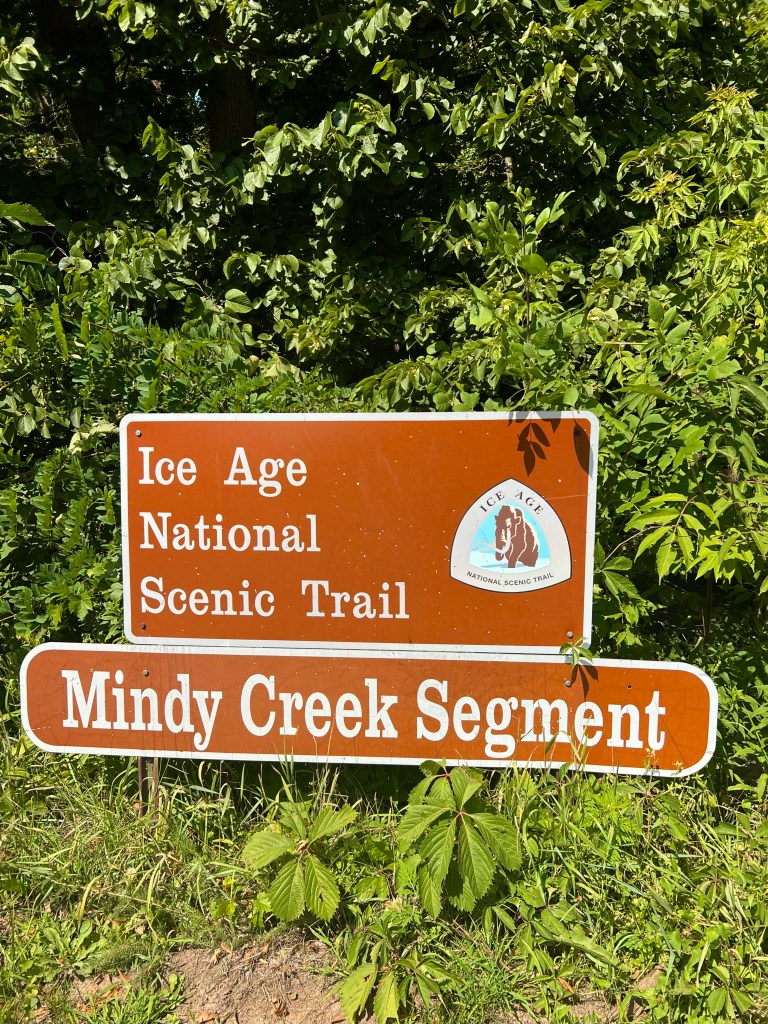
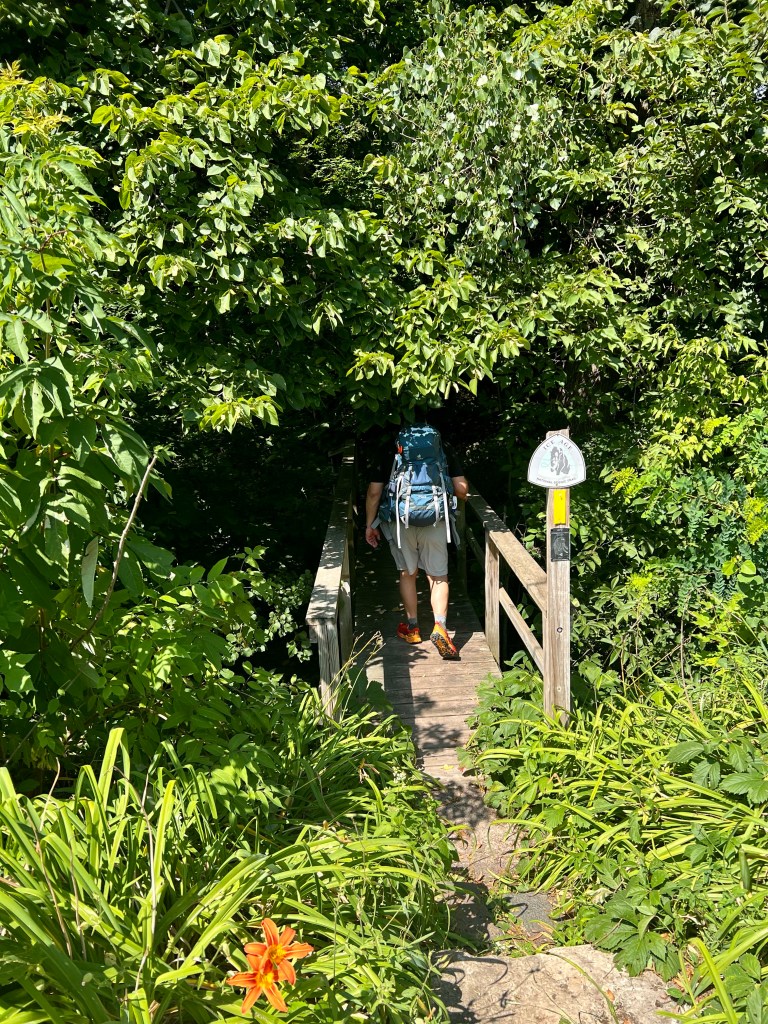
Here are some highlights of day 1!
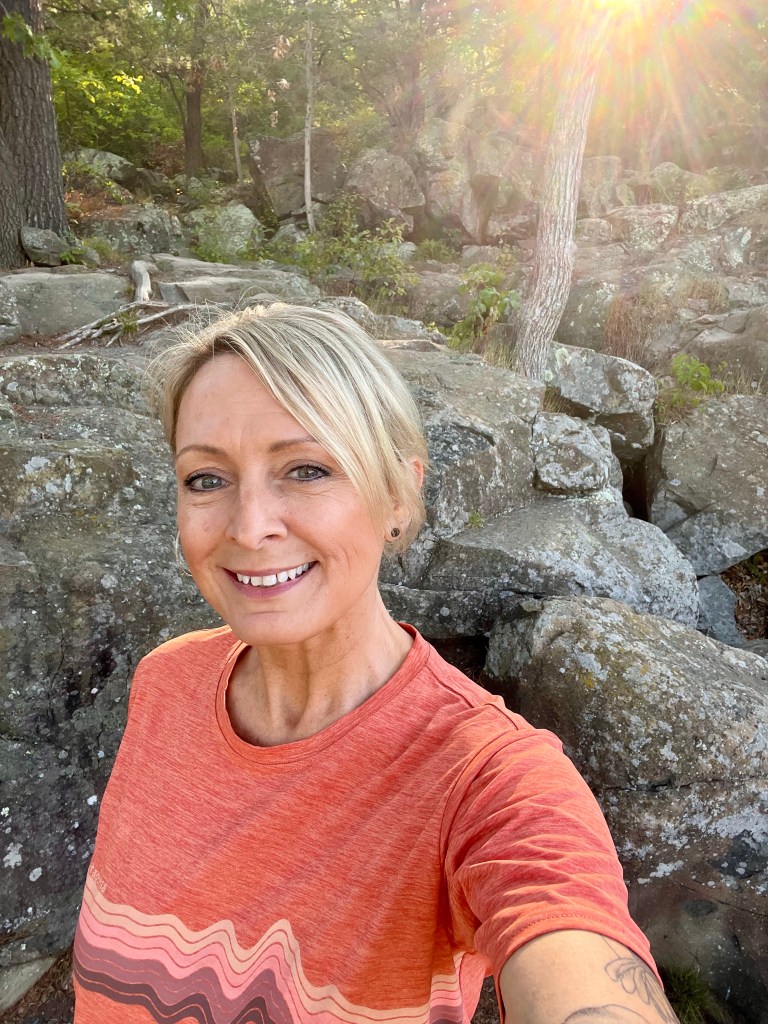
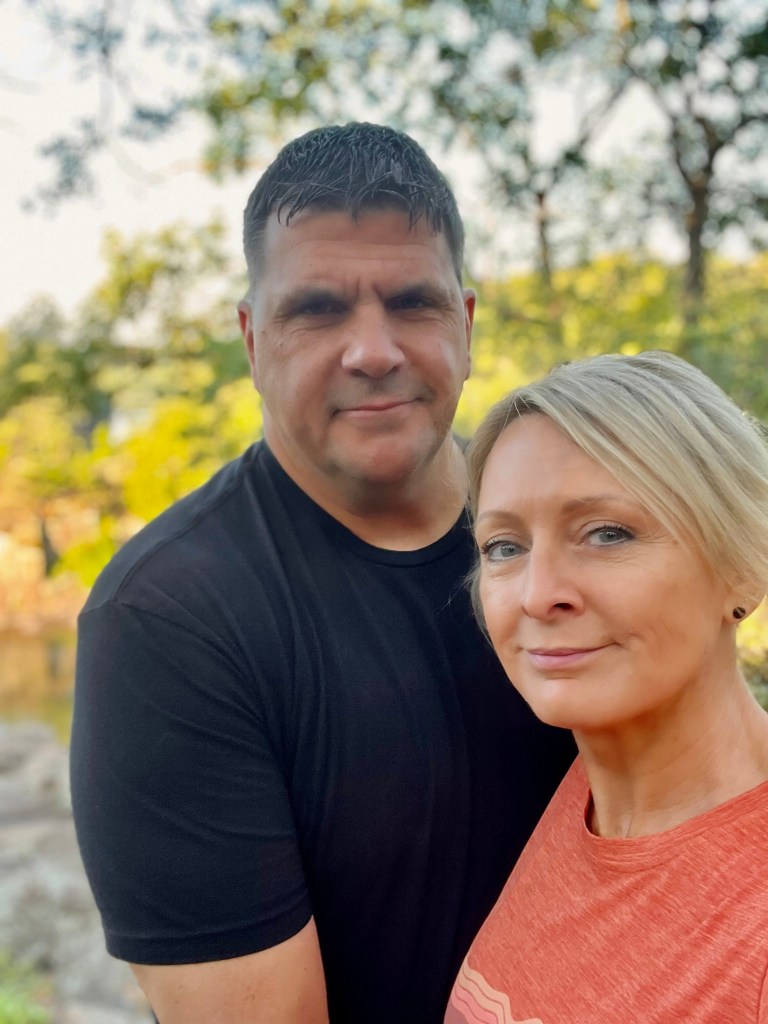
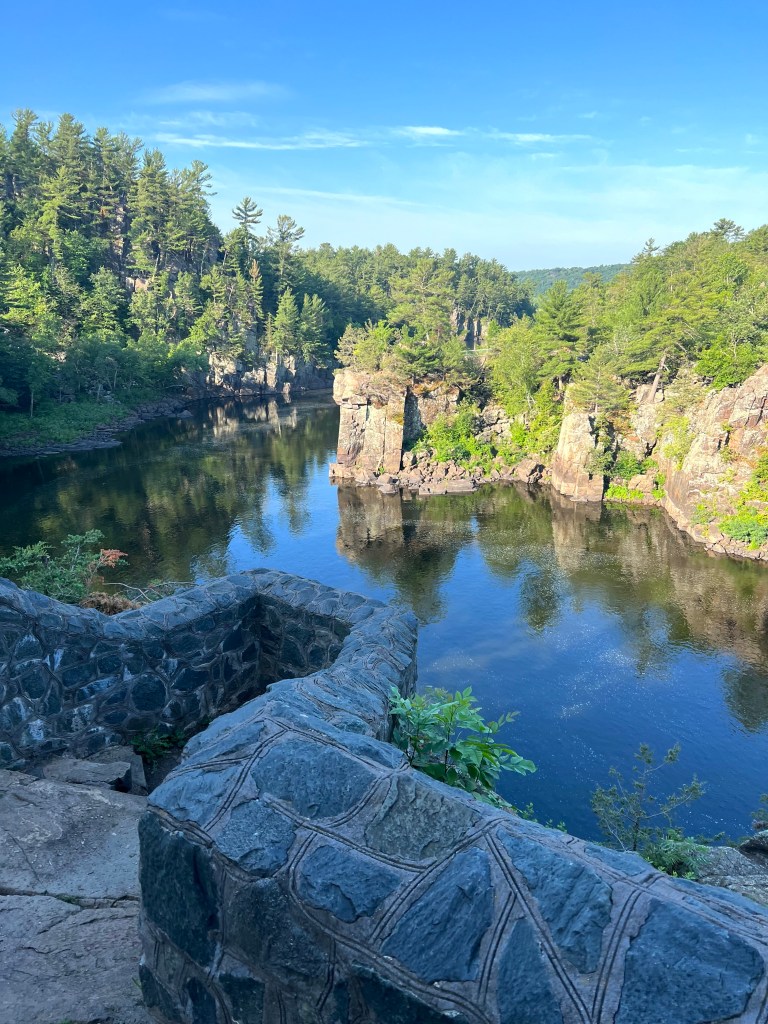
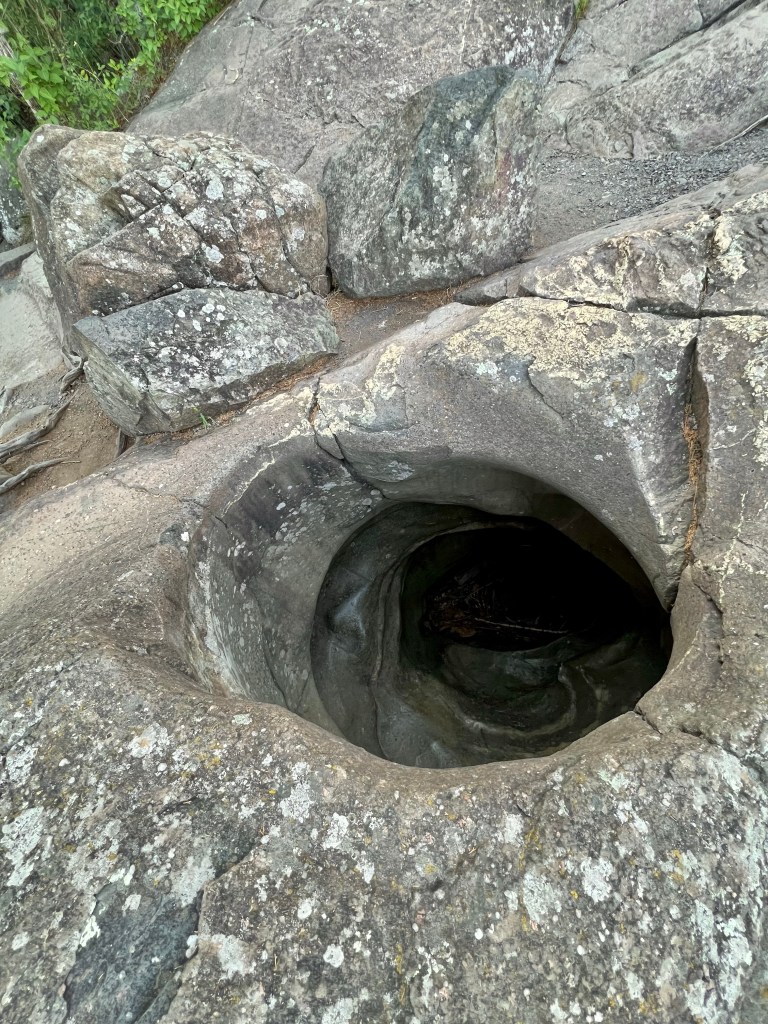



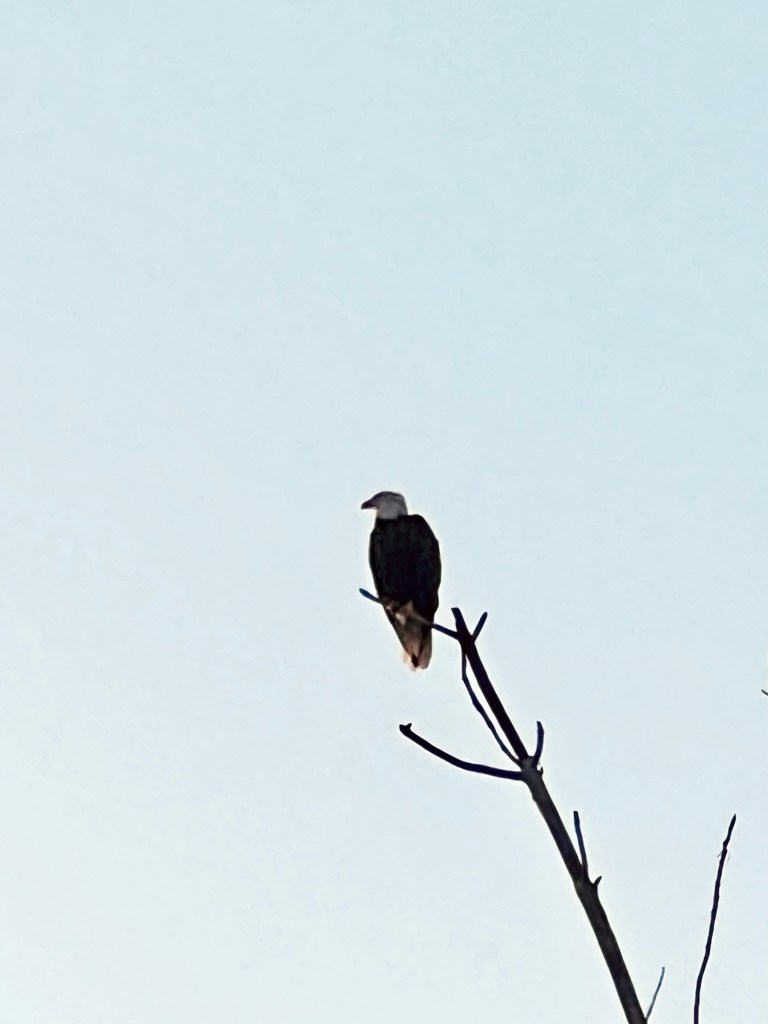
Day two started by waking to the sound of an eagle perched above our campsite. It had appeared at dinner on day one and made frequent stop for observation in the dead tree
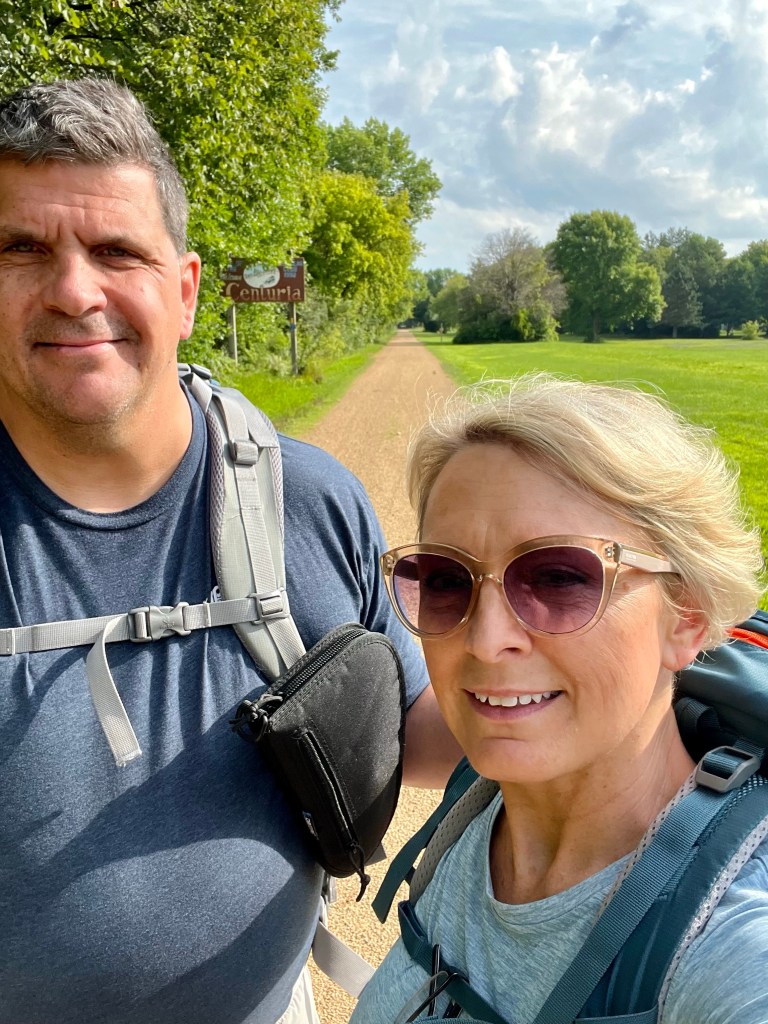
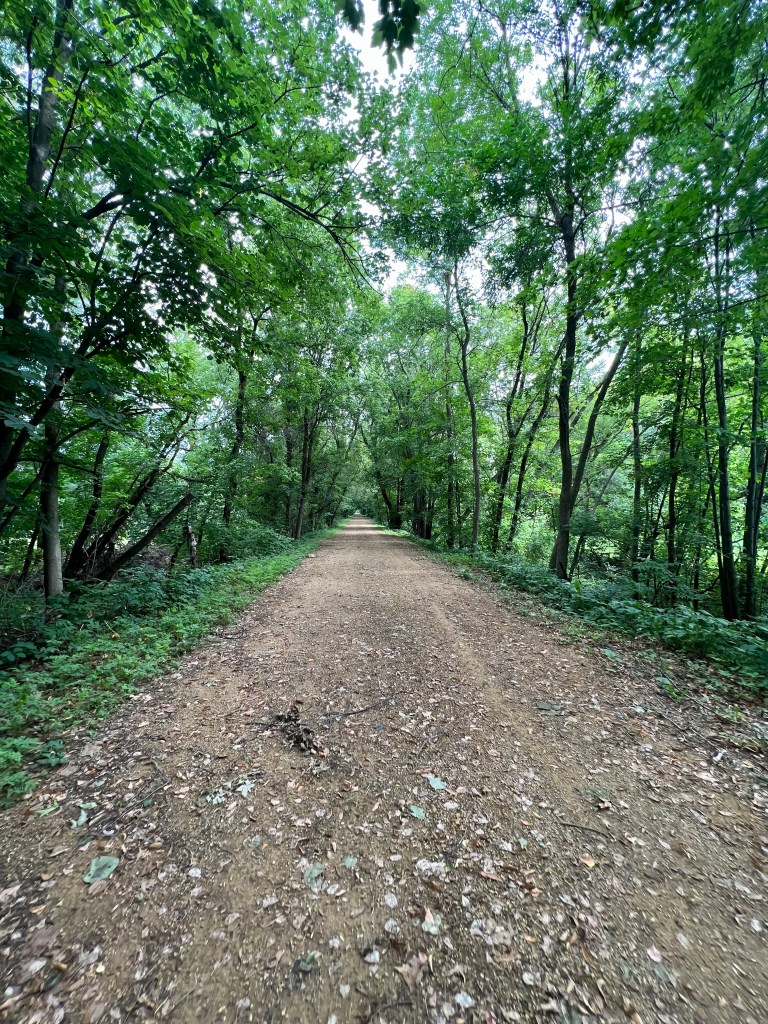
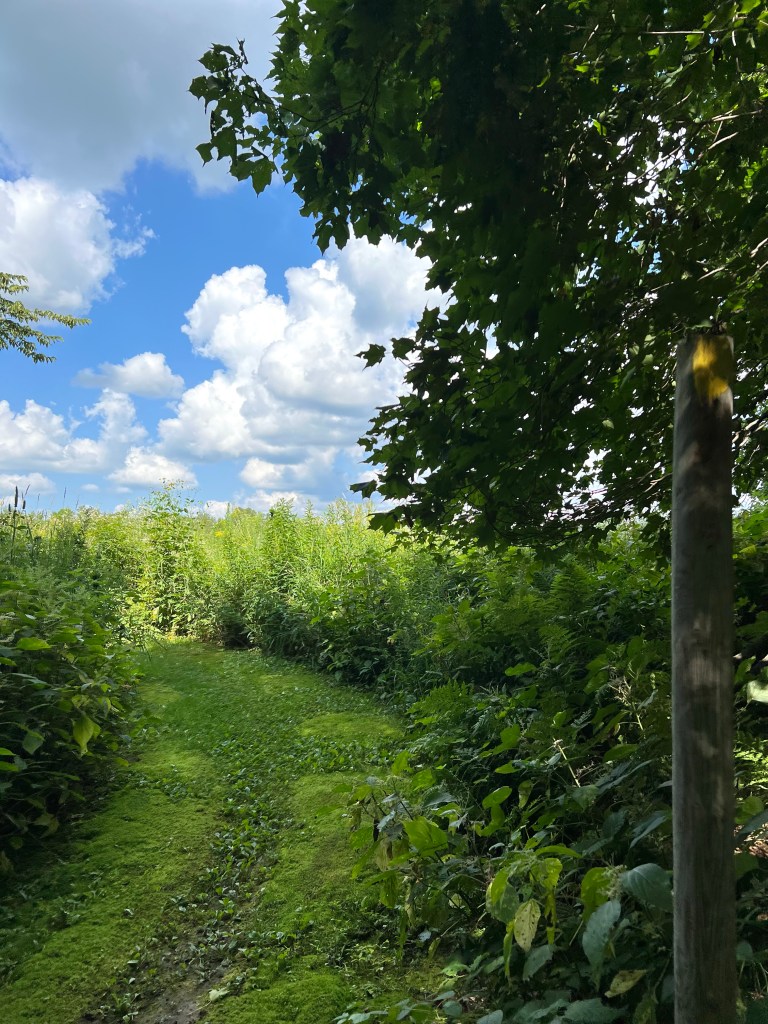
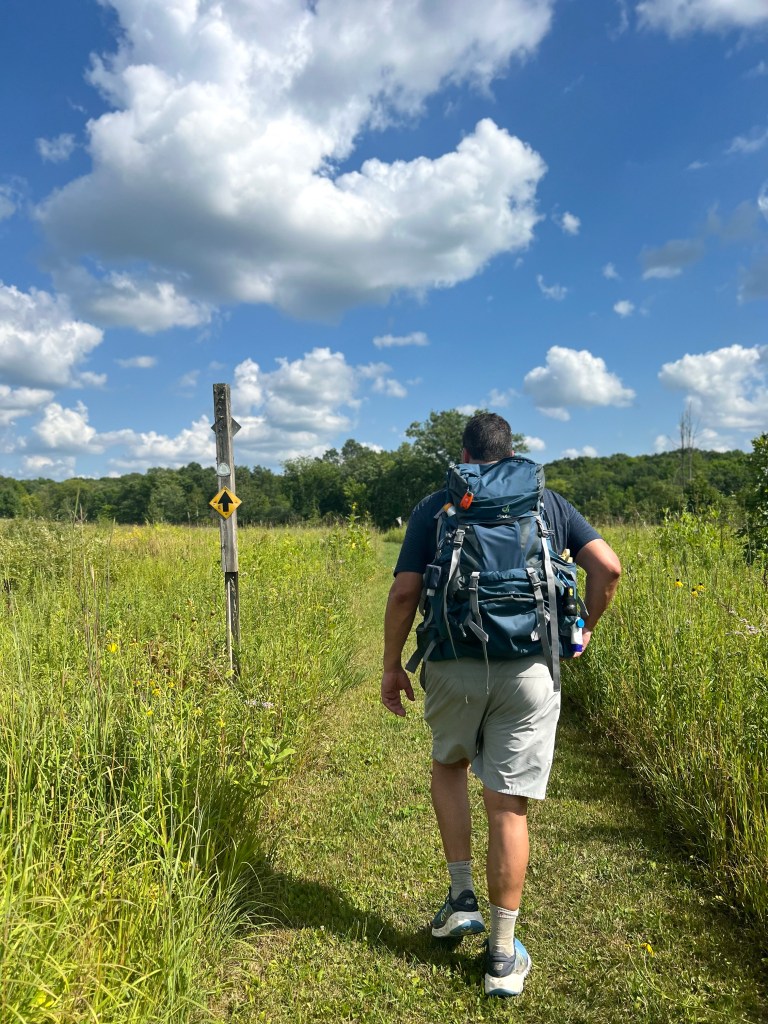
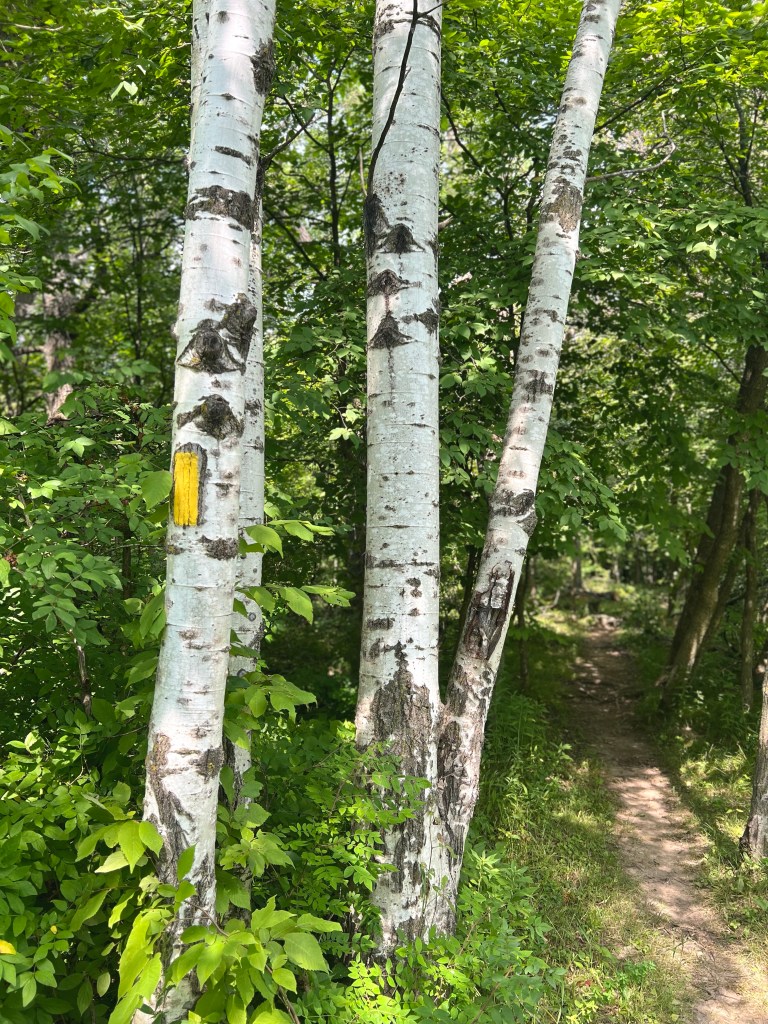
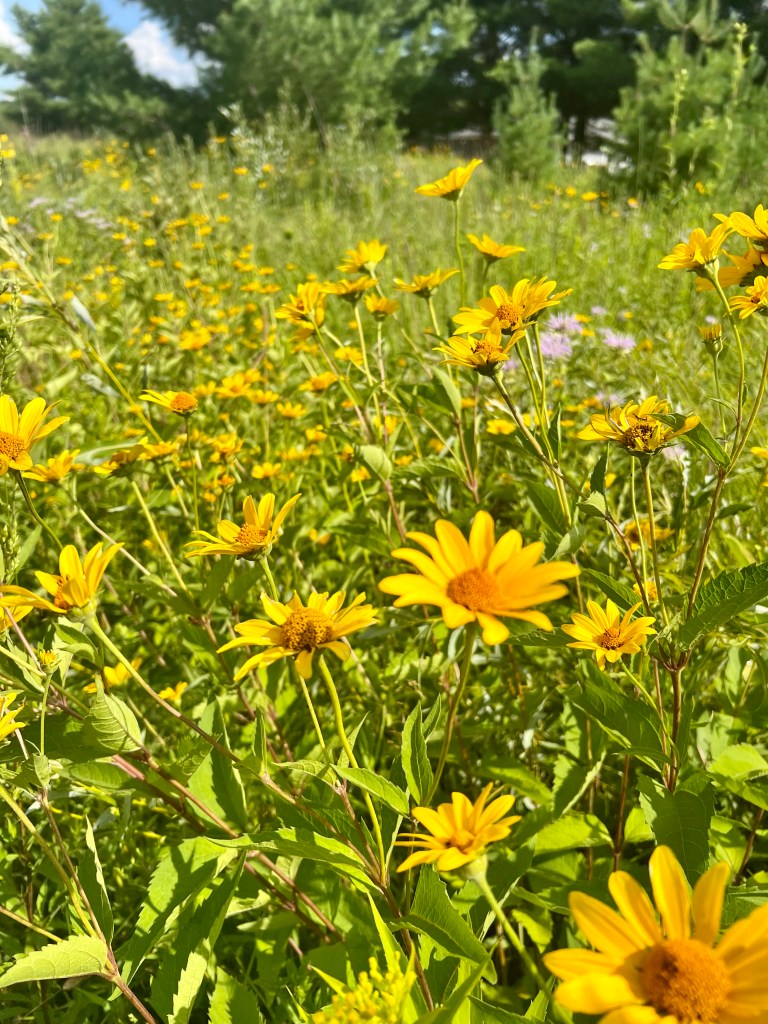
We hiked 19.1 miles on day 2. It took us 8 hours. Here are the highlights from day 2:


Don’t forget we’re raising money for the Wisconsin Parkinson Association. Our goal is also to motivate others to set fitness goals and work toward achieving them, especially those living with Parkinson disease. Join our Move More challenge! Click on the link below to sign up:
2023 Move More Challenge: The WPA 1200
You can donate the the WPA using the direct link below:
https://wiparkinson.app.neoncrm.com/np/clients/wiparkinson/donation.jsp?campaign=274&&test=true
Stay tuned for more trail updates and thank you for your support!
Prescription for Nature
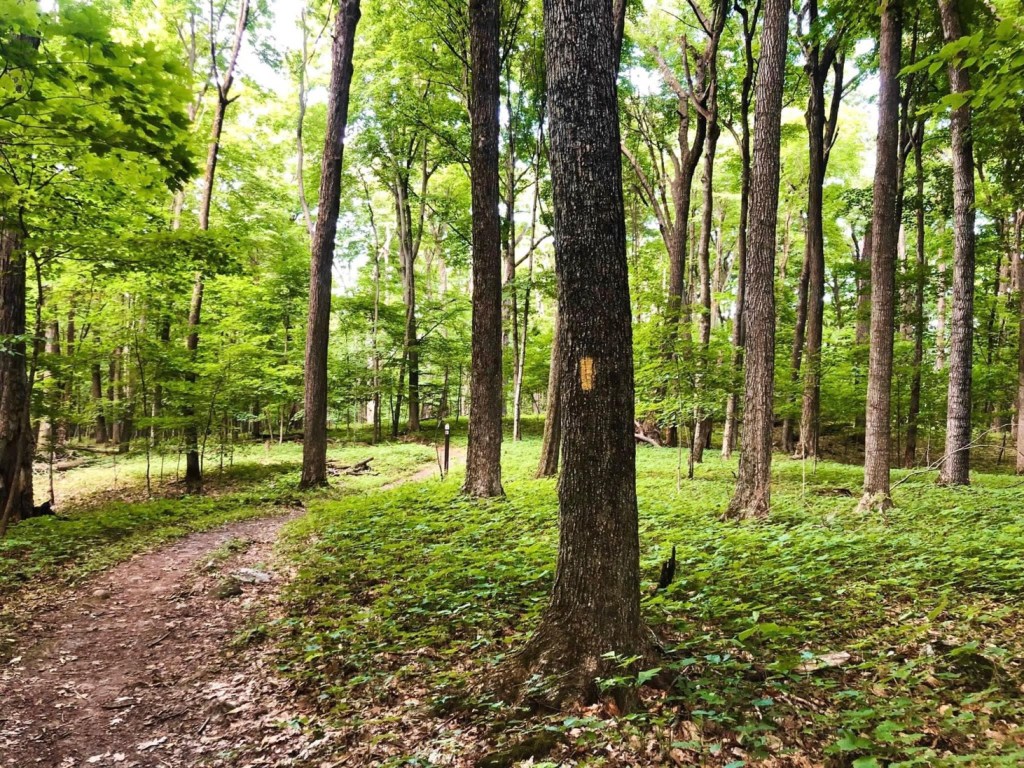
Hello again! It’s been far too long since I’ve been active on my blog. But get ready, because I have so many new things to share with you. 2023 is going to be an adventure! I hope you are ready to follow along!
As some of you know, my husband, Tim and I have been planning for years to thru hike the Ice Age Trail. The IAT is a 1200 mile national scenic Trail that winds throughout the state of Wisconsin. Our journey begins August 1, 2023 as we leave the western terminus in St Croix Falls Wisconsin. Our goal is to follow the yellow blazes and reach the eastern terminus in Sturgeon Bay Wisconsin by Tim‘s birthday on October 13. However, we officially have until October 31st.
You’re probably wondering, “Why on earth, would they do that?!” Well, that’s a reasonable question. All I can say is that it’s a physical challenge that has been a dream for over a decade. We have been segment hiking the trail for years. Nature, is where I find peace and replenishment. Since a child, I have escaped stress and found my inner calm in the woods; along streams and among fields of wildflowers. I am most alive while bathing in the sounds, sights and smells. So much wonder surrounds us! Yet, it remains unseen as we are blinded by our fast paced lives and electronic devices.
I…am writing MYSELF a prescription for nature therapy.
Patient: Dacy Reimer
Prescription: Nature Therapy
#30 (days)
x3 (months)
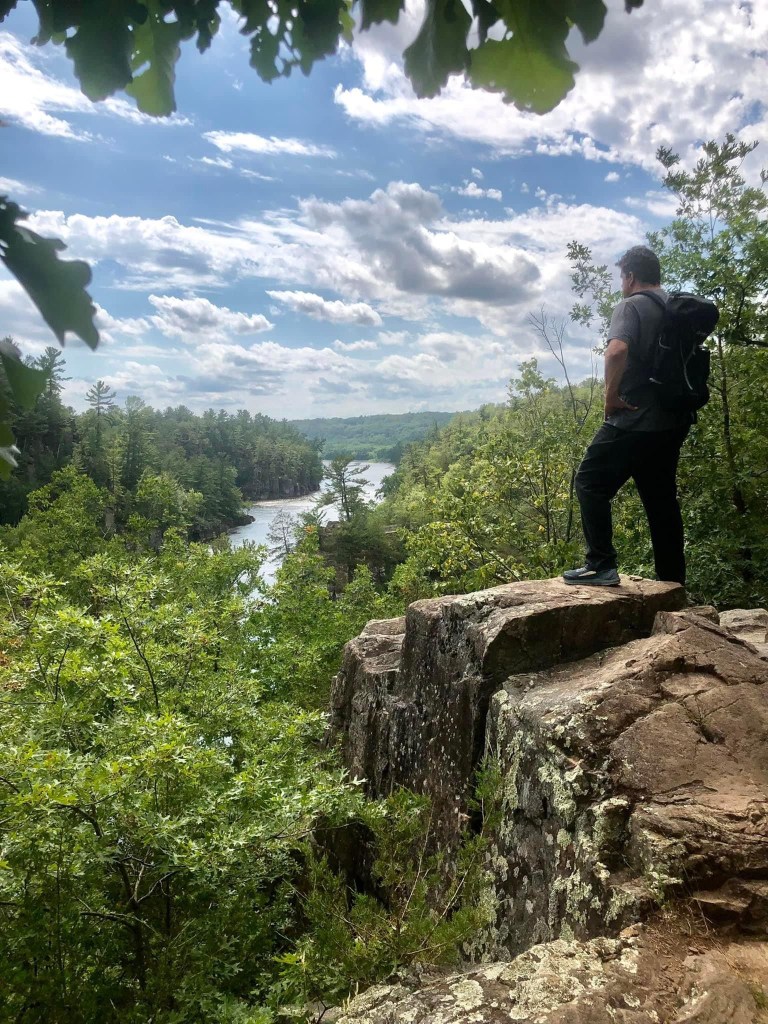
St. Croix Falls Wisconsin
(where we will start our thru hike.)
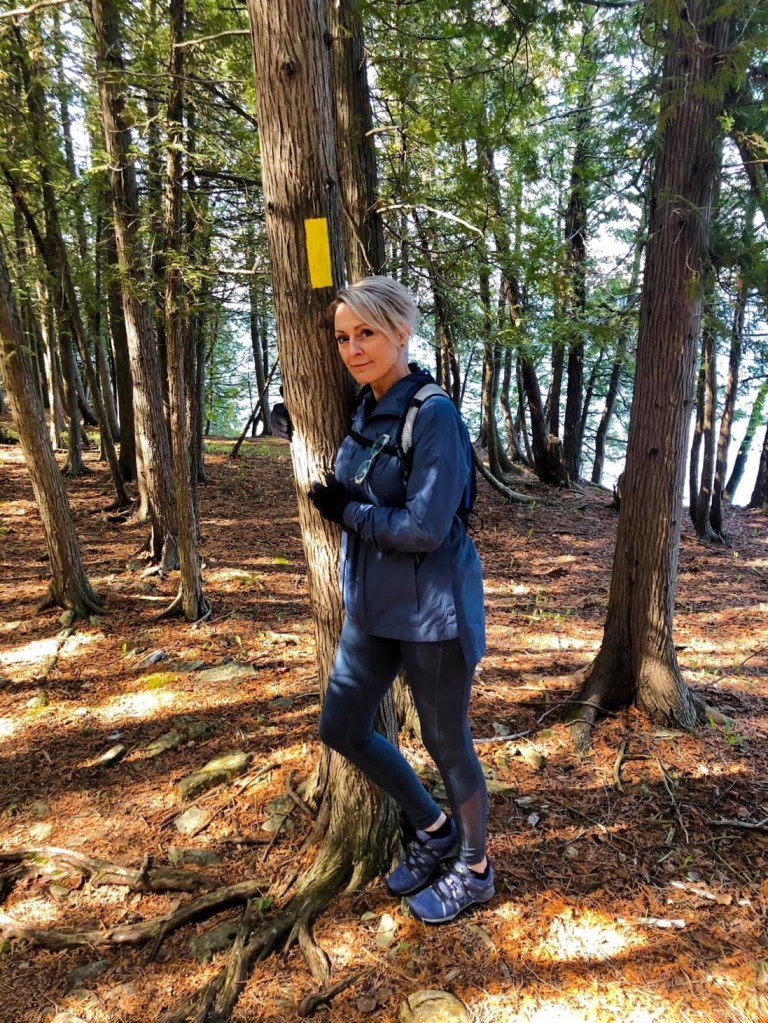
Sturgeon Bay, Wisconsin.
(where we will finish our thru hike)
What is Nature Therapy?
To be honest, it’s not one thing. Some people call it forest bathing, green prescribing, ecotherapy, and many other titles. It began as Shinrin Yoku in Japan, which is where the majority of research is based.
There are many benefits to spending time in nature:
• Calms our spirits
• Clears our minds and improves mental well-being
• Opens mindfulness of our senses and surroundings
• Increases problem-solving abilities
• Improves our memory
• Increases creativity
• Gives us a more positive outlook on life
• Lowers cortisol (our stress hormone)
• Lowers pulse rate
• Lowers blood pressure
• Improves digestion (by increasing parasympathetic nerve activity)
• Promotes weight loss (by lowering sympathetic nerve activity) especially if physical exercise, such as hiking is involved.
In a nutshell, it is a practice that uses nature to improve mental and physical health.
In case you’re still wondering if I just made this up, Nature Therapy is more mainstream than you think. Check out this article in Time magazine from April 2022:
Why Doctors Are Prescribing Nature Walks for Stress | Time
Perhaps I will go into more detail about the health benefits in a later blog post. For now, I just wanted to explain to you the background for our upcoming adventure. Tim and I have worked extremely hard which has lead us to be dedicated to our employers; successful in our careers; raise three amazing children; and active in our five grandchildren’s lives. Anything we’ve put our minds to, we have accomplished.
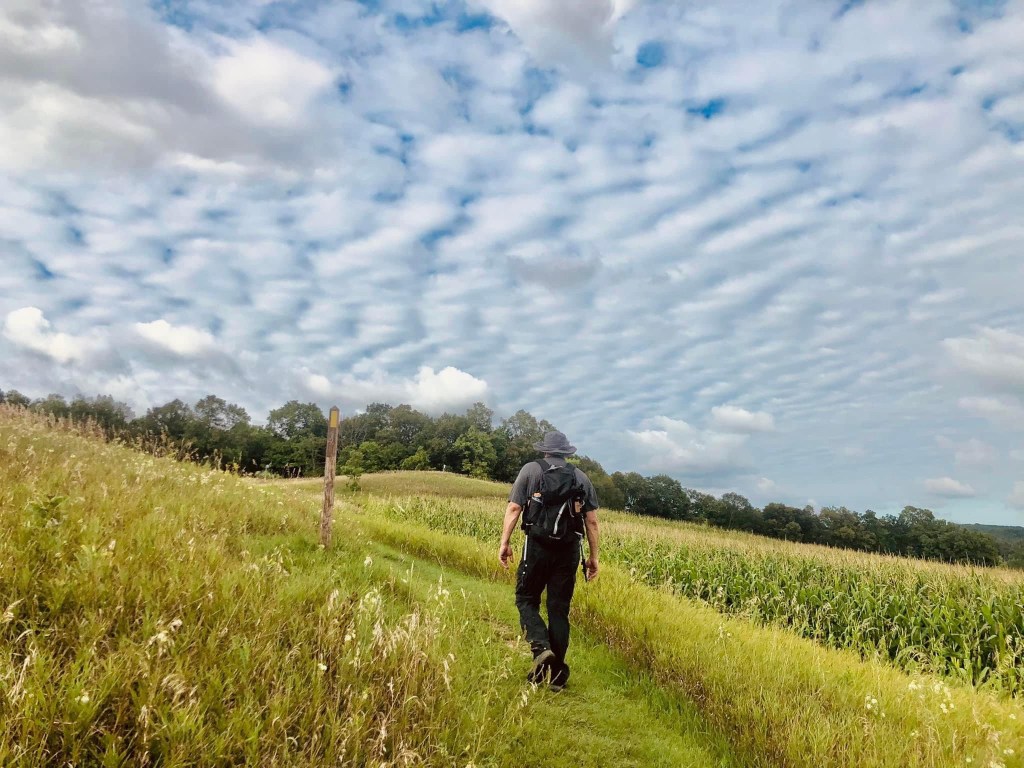
This hiking adventure is for US.
It’s our physical challenge, before we’re too old to do it. It’s our chance to stop working seven days a week and bond more closely. It’s our chance to spend time with God in a quiet place that we hear Him most. It’s our time to regenerate.

Along the way, we will also be raising money and awareness for Parkinson disease. As a Nurse Practitioner, I have specialized in Parkinson disease for over 25 years. I love what I do and I believe in the cause. Money raised, will go directly to the Wisconsin Parkinson Association (WPA).
The WPA mission is: Providing hope, community, support, and resources for people with Parkinson’s and their loved ones.
As we trek through our beautiful State, we will be highlighting the communities we pole through and the Parkinson’s programs supported by the WPA within them. We hope you follow along as we post updates, photos and videos on this blog.
DONATIONS: Wisconsin Parkinson Association

If you know someone with Parkinson disease and would like to honor them, or would like to sponsor us per mile, please visit the link below:
SPONSOR: Horizon Outfitters
If you are a gear head or just getting started hiking outdoors, be sure to visit our friends at Horizon Outfitters in Hartford, Wisconsin. They have everything you need to get you out in comfort! Really… the shop is amazing.
15 North Main St. Hartford, Wisconsin, 53027
https://www.horizonoutfitters.shop/
Horizon Outfitters is located in the old Hartford theater building, which ironically, is where I held my first job as a movie candy striper! Thank you Robert for your tips and support to help make our thru hike adventure a success!
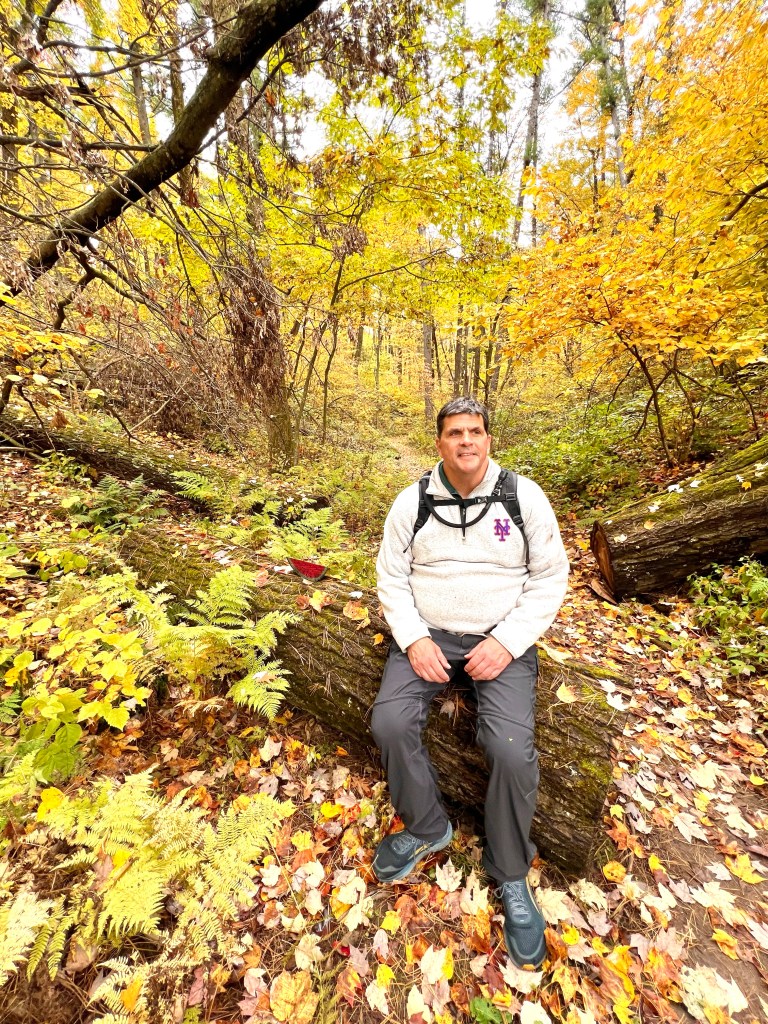
Also a huge shout out to my employer, Neuroscience Group of Neenah, WI. I am humbled they are giving me the time to complete this thru hike. Thank you for your constant support of people with Parkinson disease, the WPA and for rallying my colleagues to support me on this adventure. I am truly blessed to work for NSG.

Quick Recipes: Variations of Greek
Summer is here and you know what that means? Farmers markets!! Eating clean, fresh and Mediterranean is definitely easier in summer and fall. Buying local at your farmers markets ensures you are getting fresh ingredients, farm to table. The atmosphere gets my creativity growing and I cannot wait to get it home to start cooking!
I don’t get to the market as often as I wish. My schedule has been packed with talks discussing nutrition and brain health. One of the most common dilemmas I hear is that its difficult to incorporate a new eating lifestyle without knowledge of recipes. I encourage people to start by picking up a Mediterranean diet cookbook. Take the time to page through it at the book store so you know if the recipes have ingredients you like or are willing to try and are accessible where you shop. Personally, I am not good at using cook books or measurements. I love to cook and tend to wing recipes, a dash of this, a pinch of that! So, when asked to share some of the foods I eat I cringe, because I have to go back and measure and write recipes, but here goes!
Some of my summer favorites are Greek. When I think of Mediterranean cooking, I think of fresh, and the Greeks nail freshness! My oldest daughter LOVES my Greek Dip, so I thought I would share the recipe with you along with some meal variations I’ve created.
Greek Dip

Ingredients
2 pkgs Plain hummus
1 cup Greek yogurt
1 English cucumber (organic)
1/2 pint Grape tomatoes
1/3 cup Kalamata olives
4 oz Feta cheese
Fresh Dill
Purple onion- optional
Directions
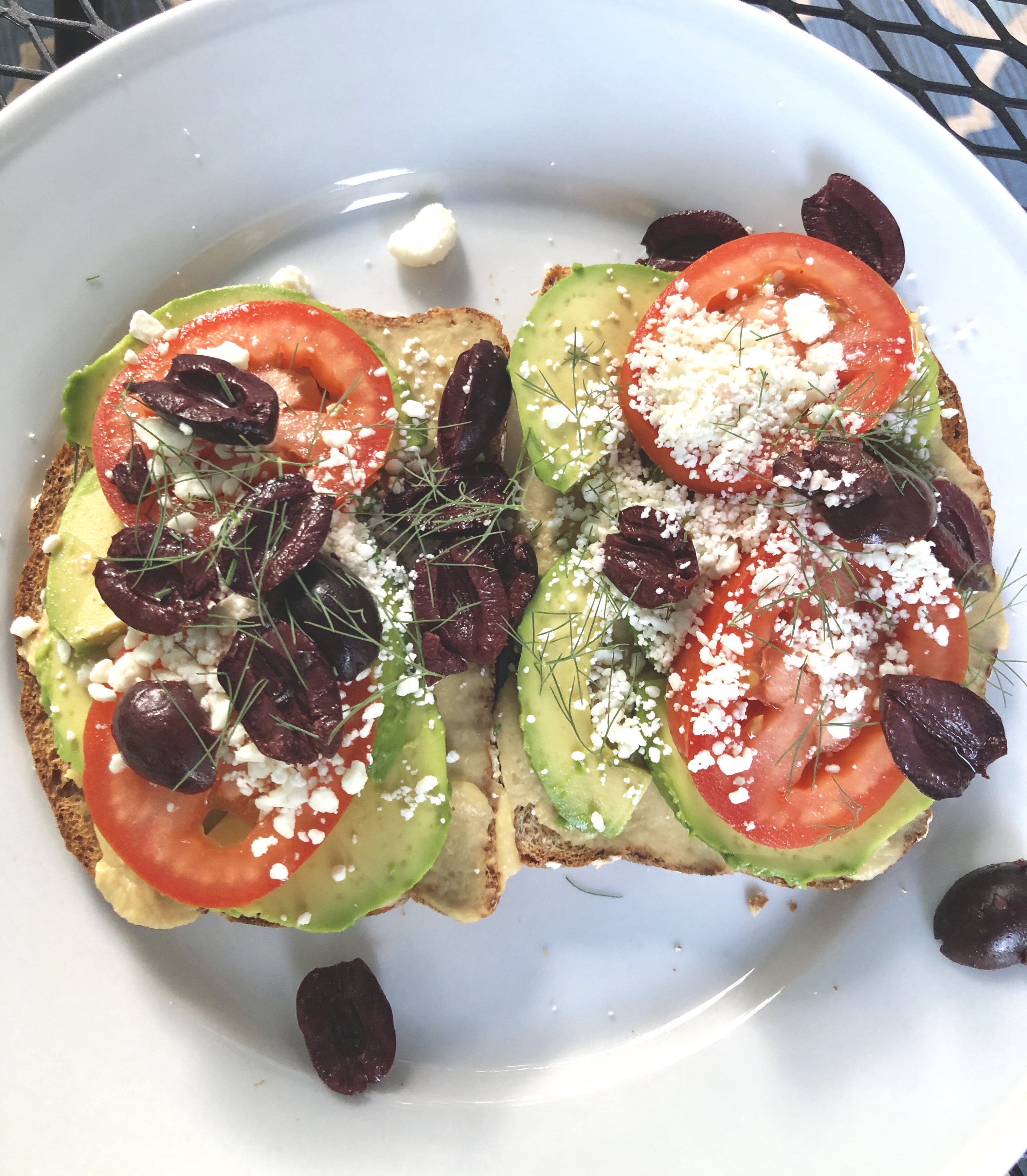
Spread hummus evenly over an edged serving dish. Add a thin layer of Greek yogurt followed by diced cucumber, sliced Kalamata olives, and halved grape tomatoes. Sprinkle with feta cheese and chopped fresh dill. Serve with market fresh vegetables or baked pita chips. I oven bake my own pita chips using quartered pita bread, extra virgin olive oil and sea salt. To further reduce inflammation, use gluten free pita bread/chips.
Breakfast Variation (1 serving)
Toast a slice of gluten free or sprouted whole grain bread. Spread a layer of hummus on the toast. Using grass fed Irish butter over medium heat, pan fry a free range egg over easy or to preference. Layer egg onto hummus. Top with 1/2 sliced avocado (don’t forget you need to incorporate 1 whole avocado per day!), alfalfa sprouts, diced cucumber, halved grape tomato, feta cheese and fresh dill.
Greek Purple Potato Bowl (1 serving)
Thin slice 6 baby purple potatoes and pan fry them in extra virgin olive oil over medium heat until tender (I freeze cubes of olive oil with fresh sage and use 1/2-1 of those). Place in medium bowl. Pan fry a free range egg over medium heat, over easy or to preference. Place egg over potatoes. Top with diced cucumber, halved grape tomato, feta cheese and fresh dill.
Food Facts
Hummus– Hummus contains chickpeas, olive oil and sesame seeds (tahini), which are proven to have anti-inflammatory properties. Its also a great source of fiber, which can help keep you regular. Additionally, chickpea fiber may promote the growth of healthy gut bacteria, which produce butyrate- a type of fatty acid that helps nourish cells in the gut.
Greek Yogurt– Protein is essential for good health. It is vital to cell growth, building muscle, and repairing tissue. As you age, you need more protein to keep your skin healthy and to fight off illness. Greek yogurt is a great way to boost your protein levels while avoiding heavy foods like meats. Its also packed with probiotics. These are microorganisms such as bacteria and yeast. These normally live in your intestines, and having good microorganisms in your intestines helps keep you healthy. Vitamin B12 is necessary for energy and healthy brain function, and Greek yogurt is full of it. Make sure you get authentic Greek yogurt!
Cucumbers– Cucumbers contain antioxidants, including flavonoids and tannins, which prevent the accumulation of harmful free radicals and may reduce the risk of chronic disease. They are composed of about 96% water, which may increase hydration and help you meet your daily fluid needs. Cucumbers are on the list of high pesticide use veggies, so go organic! I like English cucumbers for these recipes because they are less watery and wont make my dip runny. Leave the peel on for best nutrition.
Tomatoes– Tomatoes are the major dietary source of the antioxidant lycopene, which has been linked to many health benefits, including reduced risk of heart disease and cancer. They are also a great source of vitamin C, potassium, folate, and vitamin K.
Kalamata Olives– Kalamata olives contain powerful polyphenols that appear to protect against disease. Its major macronutrient is fat from oleic acid. Oleic acid is well researched and shows benefit in reducing cardiovascular disease and inflammation. They are as nutritious as extra virgin olive oil, but watch the salt content if brined.
Feta Cheese– Feta is one of the lowest fat and calorie containing cheeses and its rich flavor allows you to use less than regular cheese in a dish. In its truest form its made from goat and sheep milk. Watch out for cows milk or non-grass fed derivatives.
Dill– Dill is rich in vitamin C, an important antioxidant that helps your body to resist infection. Its also a good source of fiber, folate for nerve repair, calcium for strong bones, riboflavin for cell function, manganese, and iron.
Don’t be afraid to take these ingredients and creating your own recipe. You can make a gluten free Greek pasta salad, or freshen up your cooked chicken breast or wild caught Alaskan salmon with Greek veggies and dill or a Greek micro-greens salad! The options are endless, enjoy!
Cabin Fever- It’s real in Wisconsin
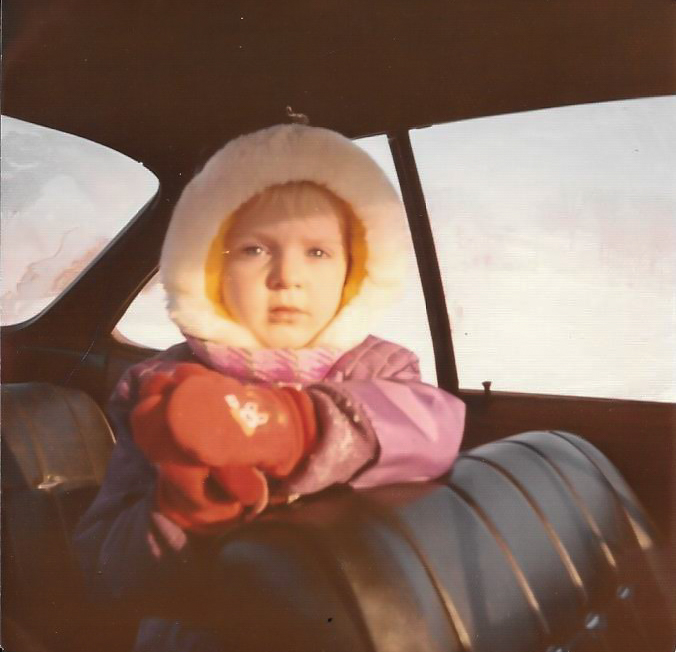
Hallelujah! It looks like we survived the Polar Vortex of 2019!
As I peer outside my home office window, there is a smattering of green mushy grass between mounds of snow left from the plow, yet to melt away. I analyse the road of my country subdivision in eager anticipation of a first spring walk with my best friend, Christine, this evening. About a mile away, rests the Eisenbahn trail- a converted railroad track, now used for pedestrian hiking, biking and snowmobiling. Each day as I pass the trail in my car, I grow more anxious to get my bicycle out onto its gravel path; back to indulging my senses in my favorite pastime, nature.
I have grown weary of winter- frankly, I’m over it! Based on the conversations I have in my clinic, I think it’s the consensus. “I’ve had the vacuum cleaner out for three days, and I cannot get the gumption to get up and use it”, one patient reports. “We cannot get out due to the ice. We just seem to be arguing about everything, so I just tune her out and watch television”, reports another. Every fall I remind my patients they need to establish a “winter plan”. Understanding how winter affects us is important. Personally, I love the outdoors. I’ve discovered that for me, surviving winter means bringing the outdoors in a little. I have a room with lots of sunlight that I have green plants that I can water and tend to. I’m a birder, so I set up my heated bird bath and lots of feeders in places that I can drink my coffee and enjoy seeing “life” amongst the still of winter, in the company of my grandchildren. I always plan an early spring vacation for my husband and I to look forward to. This year, I have a Neurology meeting in Spain. We leave in two weeks, and the anticipation of a cultural getaway has helped lift our spirits.
So, what IS “cabin fever”?
Essentially, its feeling claustrophobic due to space confinements for lengthy periods of time. In 1984 researchers from the University of Minnesota elicited interviews on the topic of “cabin fever” in 35 Minnesota men and women, ages 17 to 84. Most common reports included feelings of dissatisfaction at home, restlessness, boredom, irritability, and needing to break routine.
Seasonal affective disorder, or SAD, is commonly linked to cabin fever. However, the two disorders are different. The key difference is that cabin fever is specifically associated with isolation, while SAD occurs during the winter months even in people who are not confined in space. The two conditions may occur together, so its important to talk to your healthcare provider about your symptoms since the depression may need to be treated.
My prescription for treating cabin fever is simple: Get out and interact with nature! Shovel the snow, go snowshoeing or cross country ski or just bundle up and watch your dog, kids, or grand kids play in the snow. Research has demonstrated that even brief interactions with nature can improve cognitive functioning, support a positive mood, and overall well-being. Escaping the confinement of the indoors and changing your scenery and surroundings can easily help. Going outside to experience the openness of the world will stimulate the brain and body enough to eliminate feelings of intense claustrophobia, paranoia, and restlessness associated with cabin fever. Just bundle up in Wisconsin!
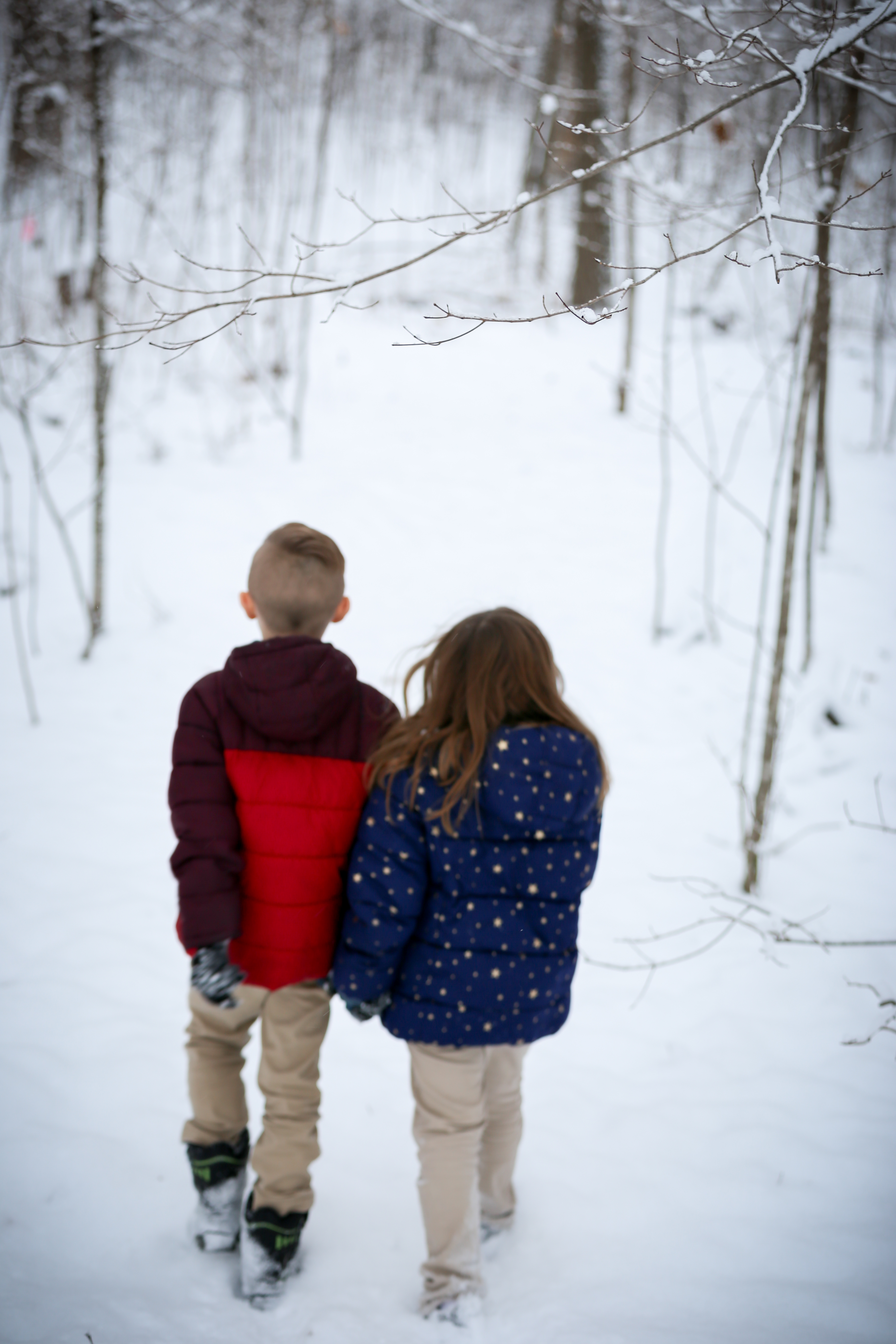
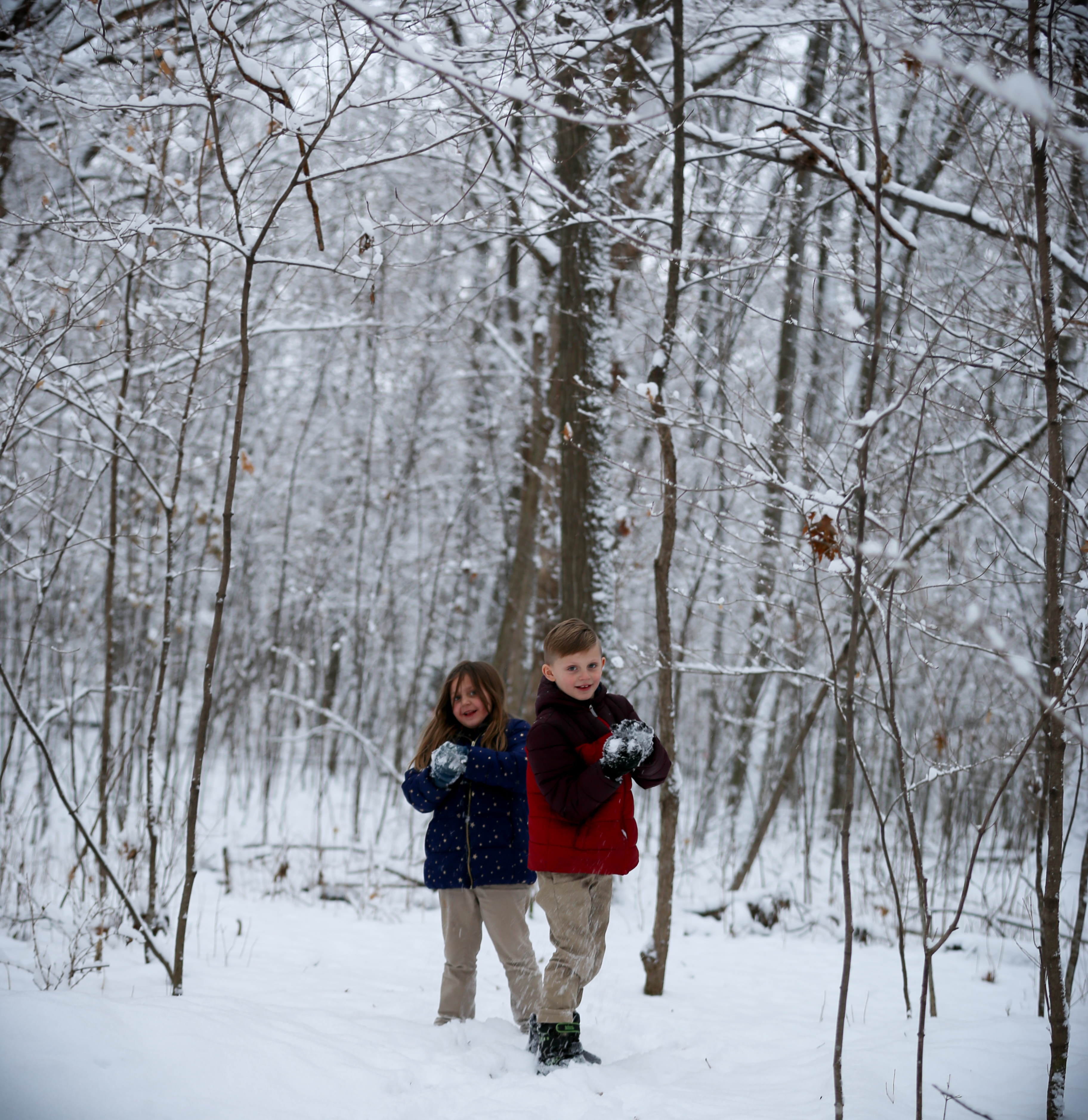
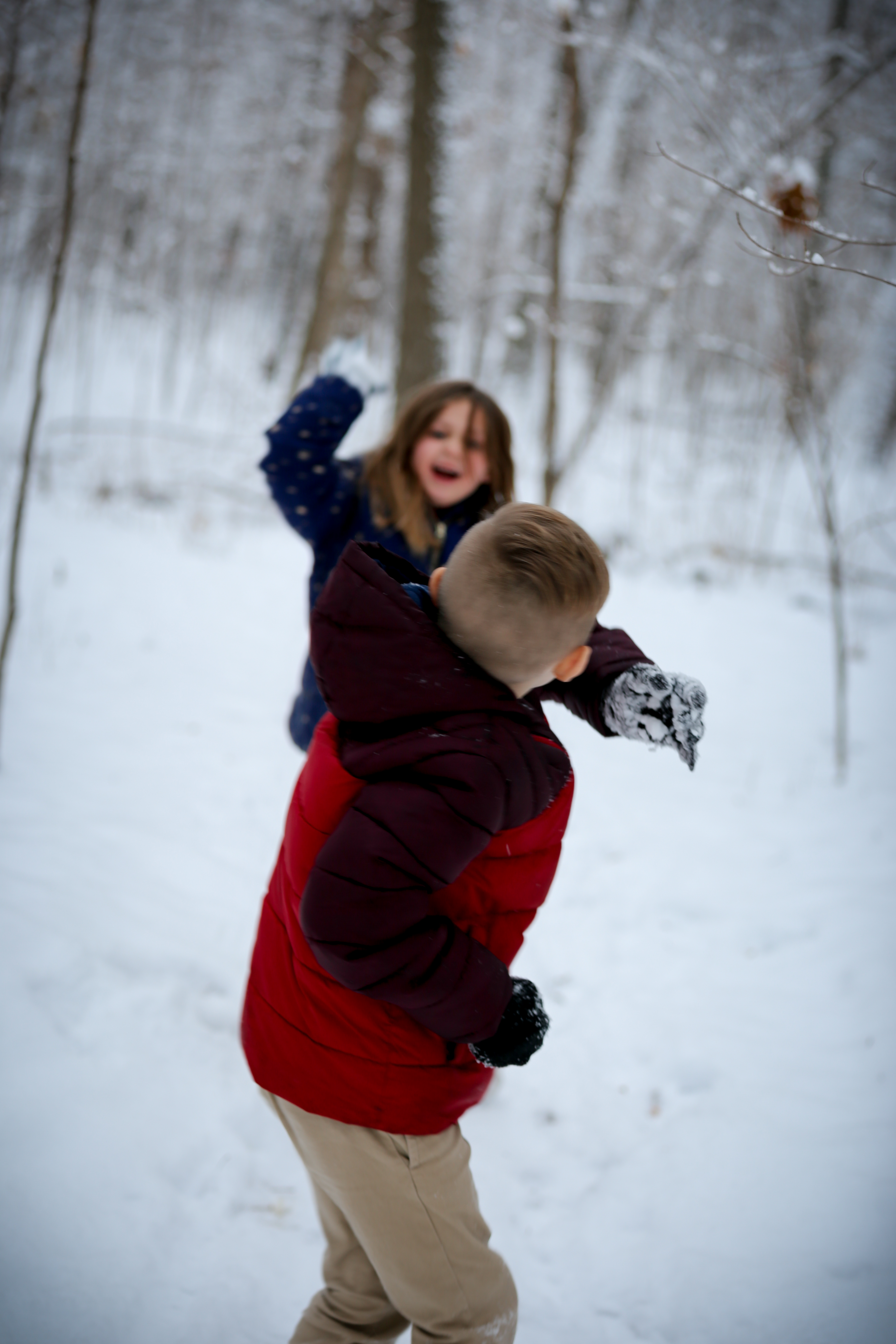
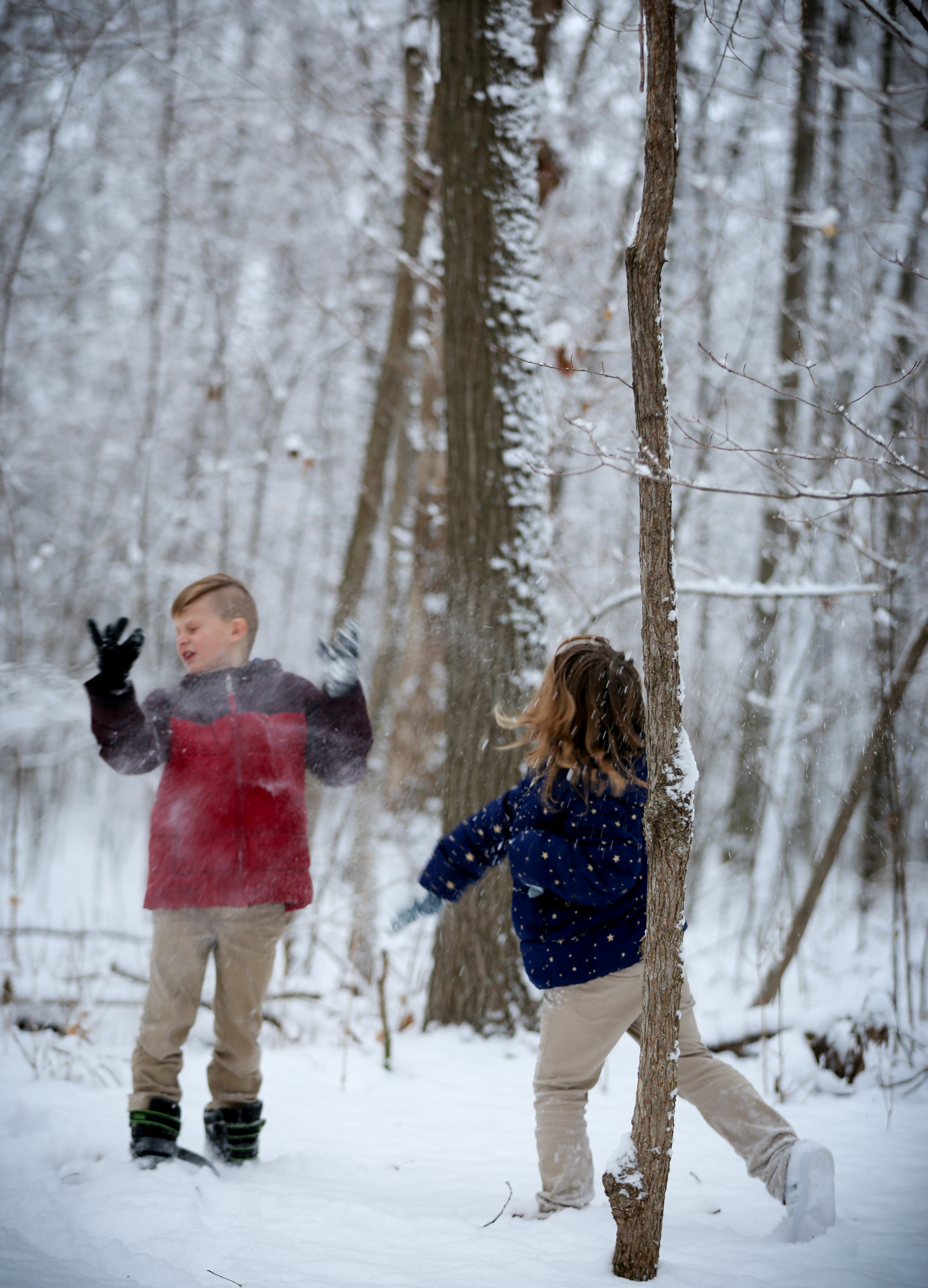
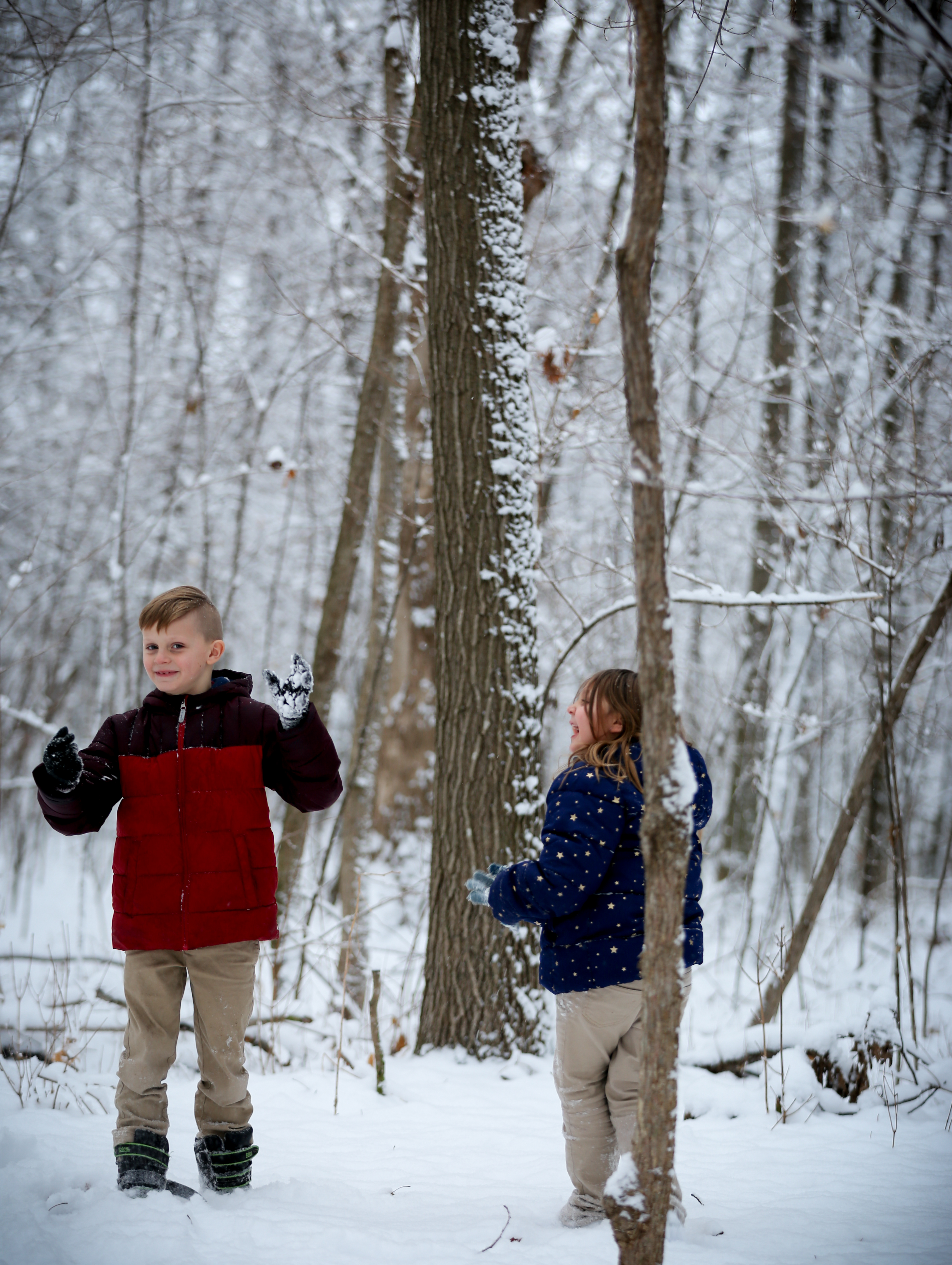
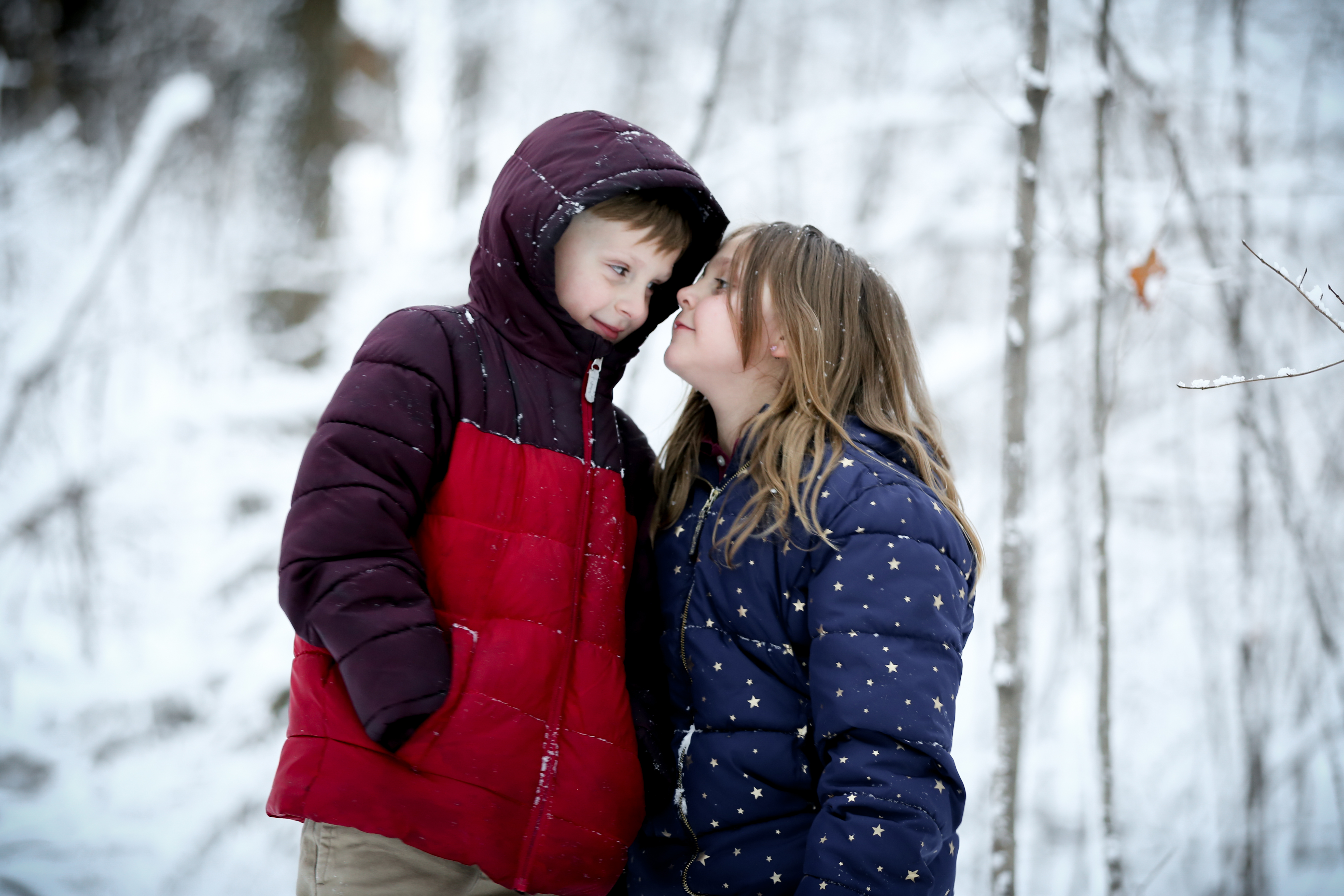
My favorite memory this winter: a snowball fight with my grandchildren
Tips for “Cabin Fever”
- Remember Spring is Coming: Winter is almost over! You’ve made it through the worst of it. Soon there will be flowers blooming and long sunny days… Keep in mind that you are in the home stretch!
- Get Outside, Get Moving: During the winter months, people spend more time inside. Even if you have to bundle up, go out for a walk! Set aside time, perhaps around lunch, to spend a few minutes outside. You’ll get some exercise and soak up the sun, including the vitamin D that comes with it. If there is a body of water such as a lake or pond nearby, take advantage of it. A 2018 study in the Journal of Positive Psychology shows that just five minutes a day walking by the water boosts our mood.
- Bring the Outdoors In: Set aside sunny space to tend and groom plants. Start your spring seedlings. A study published in the Journal of Physiological Anthropology demonstrated that active interaction with indoor plants can reduce physiological and psychological stress by suppressing the sympathetic nervous system activity (responsible for your fight or flight response) and diastolic blood pressure; promoting comfortable, soothed, and natural feelings.
- Re-energize Social Relationships: During winter, we often become homebodies. We spend more time alone and can lose motivation to go out. How many times have we all thought, “I don’t feel like going out tonight because it is so cold”? Skipping plans with friends can leave us feeling isolated. Pick a fun activity to re-energize your social life and help you feel connected to the people you love.
- Plan a Trip: This is the time to make some plans, both for trips and local activities. Whip out the calendar and schedule something fun. Ideas could include planning a weekend getaway, signing up for a winter cruise or taking a class online or at your local technical college. This will give you things to look forward to and then enjoy!
- Spring Clean and Donate: This is the perfect time to get spring-cleaning out of the way. You can get a fresh start by organizing your closet. You’ll rediscover old outfits and can donate gently used items you no longer want to charities such as the Salvation Army. Other people will benefit, and you’ll feel great.
- Plan Ahead: Establish a “winter plan” in the fall. In the Midwest, cabin fever should not be a surprise. If you know you become more restless and sedentary during this time, then think ahead. How are you going to stay fit and active? What resources are available in your community and home? If you cannot get to the gym, make sure you have the equipment you need at home to maintain your strength and health. If you are on Medicare, this may be a good time to initiate a physical therapy referral, so you avoid decline and are ready to be more active come spring.
References
(2018). Nature contact and mood benefits: contact duration and mood type. The Journal of Positive Psychology. Ahead of Print
Source: Nature contact and mood benefits: contact duration and mood type
(2015). Interaction with indoor plants may reduce psychological and physiological stress by suppressing autonomic nervous system activity in young adults: a randomized crossover study. Journal of physiological anthropology, 34(1), 21.
(1984). The Meaning of “Cabin Fever”. The Journal of Social Psychology: Vol. 123, No. 1, pp. 43-53.
Source: The Meaning of “Cabin Fever”
Nutrition Against Disease
Who’s Fault Is It?
What if I told you that cognitive decline is NOT an inevitable part of aging? Sure, we all have certain genetic predispositions to disease. However, that is not a sentence. We are in greater control of our health forecast than most know. The problem is, finding accurate resources. In the last decade researchers have made great advances in linking nutrition with disease. Suggesting that a full lifestyle “makeover” can improve the way your brain works. A study performed by AARP found that while over 90 percent of American believe brain health to be important, few know how to maintain or improve it.
Our first thought is to ask our doctor, right? Perhaps, but many people find the question of nutrition falls on deaf ears. The Journal of the American Medical Association reports it takes seventeen years on average for scientific discoveries to be put into day-to-day clinical practice. Seventeen years!! Considering the lack of priority nutrition takes in wellness visit, its likely much longer. We are slow in dissemination of information and even slower to create guideline or update them with advanced knowledge. Many of our current nutritional and practice guidelines are extremely outdated or conflicting with current information.
In my clinic when I ask a patient how they perceive their memory they often laugh, look at their spouse and say, “I don’t know what normal is” . It turns out that genetic variation only accounts for 1%. So, why do some people live well into their 90’s and beyond, maintaining vigorous brain and body health, and others don’t? That is what scientists like neurobiologist, Milia Kivipelto, at Stockholm’s Karolinska Institutet are studying. She leads the FINGER trial (Finnish Geriatric Intervention Study to Prevent Cognitive Impairment and Disability), the worlds first ongoing, large scale, long-term randomized control trial to measure the impact that our dietary and lifestyle choices have on our cognitive health.
The trial involves over 1,200 at risk older adults, half of whom are enrolled in nutritional counseling and exercise programs, as well as social support to reduce psychosocial risk factors for cognitive decline such as depression, loneliness, and stress. The other half, the control group, receives standard care.
After the first two years, preliminary reports were published, and they were striking. The overall cognitive function of those in the intervention group increased by 25 percent compared to the controls. Executive function increased by 83 percent! Executive function is one of the key dysfunctions I see in my clinical practice related to Parkinson disease. Executive function is controlled by the frontal lobe of the brain, and is responsible for planning, decision making, sequencing, and some social interaction. The preliminary results also showed a 150 percent improvement in brain processing speed, which is the rate a person takes in information and reacts to it.
According to the Aging Research Center at Karolinska Institutet, their Nordic Nutrition Recommendations are in line with what we call Mediterranean food. A diet rich in vegetables, extra virgin olive oil, nuts, and legumes, low intake of red meat (grass fed beef is a good saturated fat), low intake of dairy, and mild to moderate alcohol consumption (preferably red wine such as Pinot noir which is high in the antioxidant, reservatrol)
This is one of many distinguished studies I plan to share with you, highlighting the power that a lifestyle makeover can have on improving the way our brain functions; providing the best evidence to date that cognitive decline is not an inevitable part of aging . Personally, I’ve discovered the data is overwhelming, and I won’t wait the average seventeen years until it becomes mainstream. I also don’t plan to wait until I, nor my patients, have a diagnosis of dementia before taking action.
The Journey Begins
Thanks for joining me!
Good company in a journey makes the way seem shorter. — Izaak Walton

 Rock The Ages